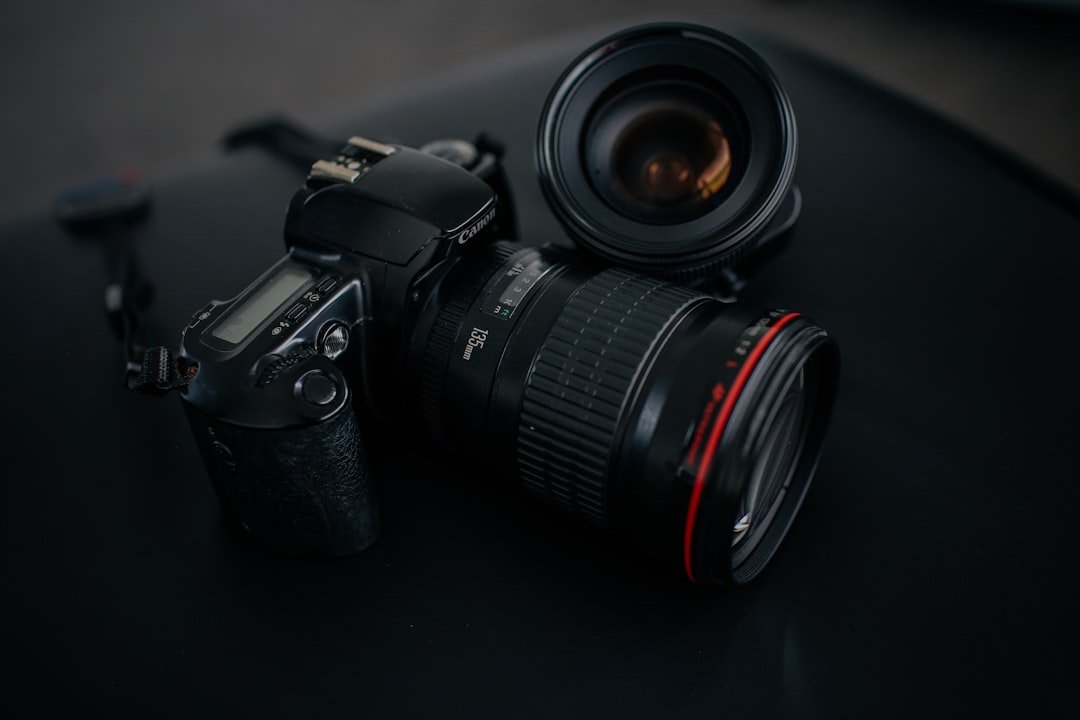
The 24mm Focal Length: A Versatile Workhorse
The 24mm focal length has long occupied a sweet spot in the photographer’s toolkit, offering a wider perspective than standard lenses while maintaining enough compression to keep subjects compelling within the frame. This focal length provides exceptional versatility for landscape work, environmental portraiture, architectural photography, and documentary storytelling.
Performance Breakthroughs in Affordable Optics
Recent optical engineering has democratized exceptional image quality in ways that seemed unimaginable just a decade ago. Budget-conscious photographers now have access to lenses delivering corner-to-corner sharpness that rivals optics costing five times the price. This shift reflects major advances in lens design algorithms, manufacturing precision, and quality control standards across the industry.
One particularly striking example demonstrates this evolution: contemporary third-party 24mm options priced under $200 achieve resolution metrics and edge performance that surpass much more expensive offerings from prestigious German manufacturers. This convergence represents a fundamental transformation in optical technology accessibility.
The Appeal of Wide-Aperture 24mm Designs
Pairing a 24mm focal length with a luminous aperture creates compelling photographic possibilities. Fast 24mm lenses excel at gathering ambient light during challenging lighting conditions while simultaneously offering sophisticated depth-of-field control. The bokeh characteristics of well-designed wide apertures at 24mm produce gradual background separation that enhances subject isolation without appearing artificial.
The combination of expansive field coverage with selective focus capabilities makes bright 24mm lenses invaluable for photojournalists, event photographers, and creative professionals who require flexibility within single compositions. Whether photographing interiors, concerts, receptions, or atmospheric street scenes, these lenses deliver visual breathing room alongside selective emphasis.
Considerations for Modern 24mm Selection
Today’s photographer faces an embarrassment of riches when evaluating 24mm options. The decision matrix extends beyond simple sharpness metrics. Build quality, autofocus performance, optical coatings, and compatibility with your specific camera system all factor into the calculus. Weather sealing, minimum focusing distance, and maximum magnification specifications become increasingly important for professional applications.
The proliferation of capable 24mm lenses across multiple mount systems means photographers working with Canon, Nikon, Sony, Panasonic, and other platforms can find genuinely excellent solutions. Contemporary manufacturing has elevated baseline performance across the board, making the distinction between premium and entry-level options less dramatic than historical precedent would suggest.
Practical Applications and Real-World Performance
Whether documenting architectural details, capturing environmental portraits, or establishing visual context within larger narratives, the 24mm focal length delivers distinctive perspective. Optical quality that was once exclusively reserved for investment-level purchases now appears throughout the market spectrum, enabling photographers at all experience levels to achieve professional results.
The trajectory of optical technology continues upward. Manufacturers investing in advanced design software, precision manufacturing techniques, and rigorous quality assurance have fundamentally altered the landscape of what’s possible at various price points. This progression benefits the entire photographic community by expanding creative possibilities and reducing the financial barriers to technical excellence.