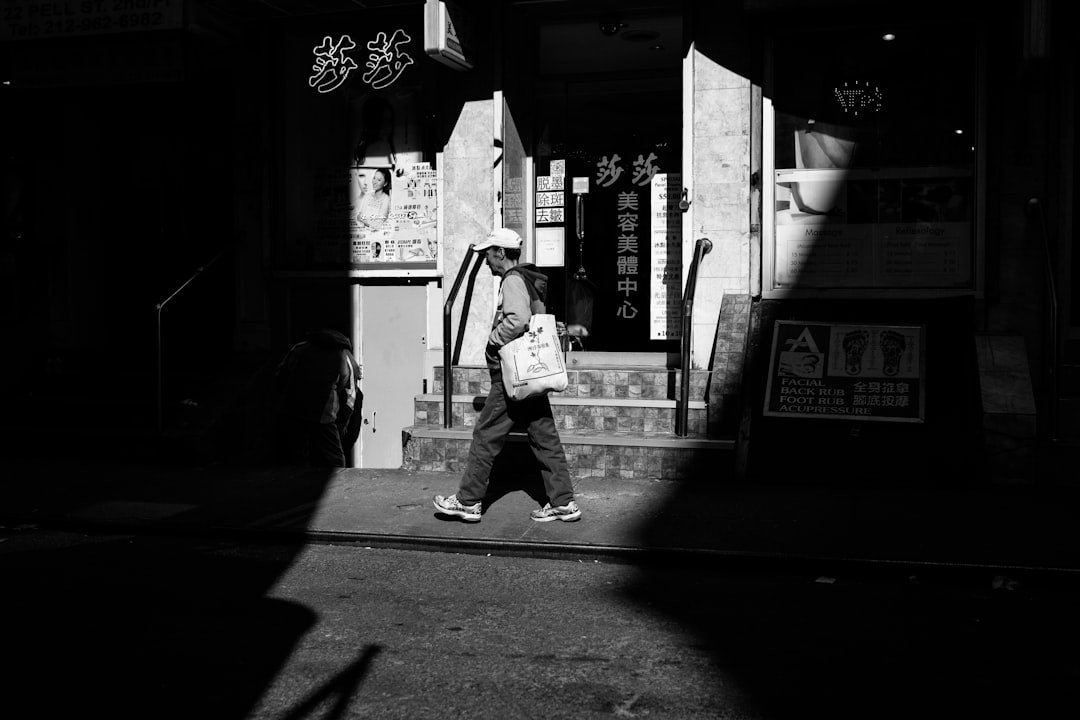
Capturing Authenticity in an Era of Digital Saturation
Contemporary society exists within an unprecedented visual landscape. Billions of images circulate daily across digital platforms, social media feeds, and cloud storage systems. Yet paradoxically, authentic street photography has become increasingly vital to visual culture and artistic discourse.
The democratization of imaging technology has fundamentally transformed how photographers approach their craft. With smartphone cameras rivaling professional equipment and computational photography enhancing image quality in real-time, the technical barriers to image capture have largely dissolved. This accessibility, however, has created a critical distinction between quantity and substance in contemporary photography.
The Artistic Imperative of Unscripted Observation
Street photography operates as a counterbalance to curated aesthetics and algorithmic content. This genre demands genuine observational skills, compositional acuity, and an intuitive understanding of human behavior and environmental dynamics. Practitioners must navigate complex ethical considerations regarding consent, privacy, and representation while documenting candid moments that reveal authentic human experience.
The medium inherently resists the manufactured perfection dominating visual media. Street photographers work with natural light, unpredictable subjects, and spontaneous compositions—elements that resist algorithmic optimization and commercial homogenization. This commitment to unmediated observation provides a counternarrative to heavily filtered, staged digital imagery.
Documenting Contemporary Social Landscapes
From a historical documentation perspective, street photography serves as essential visual testimony. Photographers capture economic conditions, cultural shifts, urban development, and social dynamics that might otherwise remain unrecorded. These images create archival records of contemporary life, preserving details about how people inhabit shared spaces during transformative periods.
As climate pressures, technological disruption, and demographic changes reshape urban environments, street photography documents transitional moments. Future generations will reference these images to understand how contemporary society functioned, appeared, and interacted within physical space.
Cultivating Visual Literacy Through Practice
For emerging photographers, street work develops fundamental competencies. Mastering exposure compensation, autofocus systems, depth-of-field management, and color theory requires constant field application. The genre demands rapid decision-making regarding compositional framing, subject interaction, and technical settings—skills that transfer across all photographic disciplines.
Additionally, street photography cultivates ethical awareness within the profession. Practitioners must continuously evaluate their responsibilities regarding subject representation, cultural sensitivity, and the moral implications of documentation practices.
The Relevance Question
In a saturated visual environment, street photography’s relevance intensifies rather than diminishes. The genre’s fundamental commitment to authenticity, skilled observation, and meaningful documentation positions it as essential cultural practice. While technological advancement enables unprecedented image creation, human vision—expressed through thoughtful composition and ethical awareness—remains irreplaceable.
Street photographers continuing this tradition contribute something increasingly rare: unfiltered, intentional visual documentation created through genuine engagement with contemporary life. This remains profoundly necessary.