Press Photography Organization Contests New Federal Aviation Rules
A significant dispute is unfolding between federal aviation regulators and the journalism community over proposed limitations on unmanned aircraft operations near sensitive government and infrastructure facilities. The Federal Aviation Administration has unveiled comprehensive regulatory modifications designed to establish protective zones around critical installations, with officials justifying the measures on grounds of national security and operational safety.
The National Press Photographers Association, representing professional photojournalists and visual journalists across the United States, has formally submitted detailed objections to these proposed regulatory changes. The organization’s formal response emphasizes substantial worries regarding how such restrictions could substantially compromise the constitutional rights of journalists engaged in legitimate news documentation and public interest reporting.
Constitutional Questions Take Center Stage
At the heart of this regulatory dispute lies a fundamental tension between government security objectives and constitutionally-protected journalistic freedoms. The NPPA’s formal submission argues that blanket restrictions on aerial imaging capabilities could establish dangerous precedents that impair photojournalists’ capacity to document matters of legitimate public concern. This conflict represents a recurring challenge in the digital age, where emerging technologies increasingly intersect with established constitutional protections.
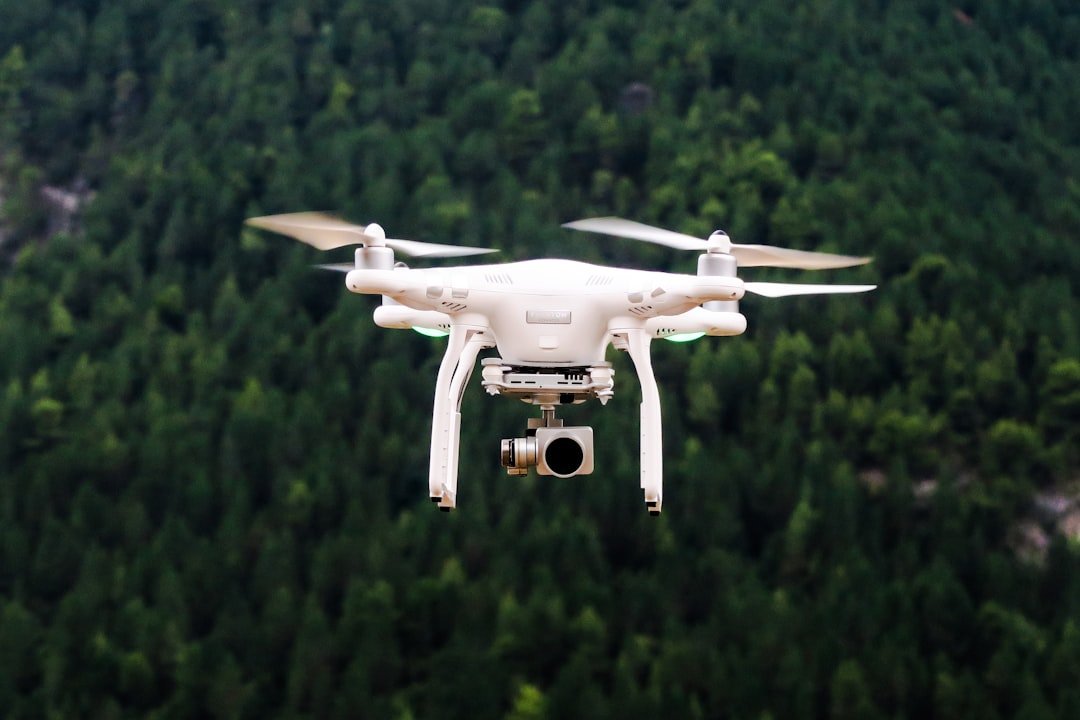
The photography industry has grown increasingly dependent on drone technology for visual storytelling. From covering natural disasters and environmental issues to documenting large-scale events and infrastructure projects, unmanned aerial systems have become essential tools for contemporary photojournalism. The proposed FAA limitations would significantly restrict journalists’ ability to deploy these increasingly standard newsgathering resources, potentially limiting public access to crucial visual documentation.
Industry Impact and Practical Concerns
Beyond constitutional considerations, the NPPA’s objections highlight practical operational challenges these regulations would create. Professional photographers and news organizations often deploy aerial imaging during emergencies, infrastructure investigations, and matters of significant public importance. Weather stations, power facilities, transportation infrastructure, and water treatment plants frequently become subjects of legitimate journalistic inquiry—many of which fall within the proposed restriction zones.
The FAA’s regulatory proposal establishes expansive boundaries around facilities deemed critical to national infrastructure and security interests. While officials maintain these measures protect sensitive locations from potential threats, the broad geographic parameters risk creating de facto exclusion zones for legitimate journalistic operations.
Moving Forward: A Regulatory Standoff
The NPPA’s formal response represents one component of a broader public comment period on the proposed regulations. The organization’s submission advocates for regulatory language that distinguishes between security threats and legitimate newsgathering activities, proposing alternative safeguards that could address government concerns without imposing blanket prohibitions on journalistic drone operations.
This ongoing regulatory debate underscores the increasingly complex relationship between technological capability, government security requirements, and constitutional protections. As unmanned aircraft systems become more prevalent in professional photography and journalism, the outcomes of such policy disputes will significantly influence how the visual media landscape evolves in coming years.
The resolution of this matter could establish important precedent for how federal agencies balance legitimate security interests against fundamental freedoms of the press—a question that will likely reverberate throughout the journalism and photography industries for years to come.