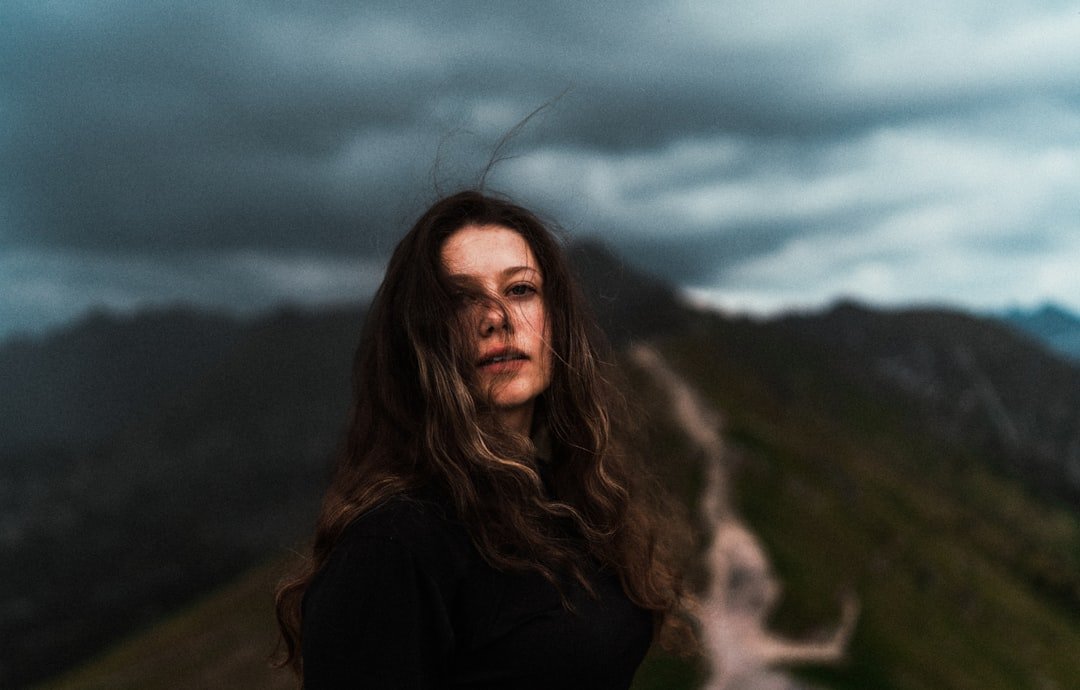
Why Photographers Overlook One of Nature’s Best Lighting Scenarios
Many image makers make a critical error in judgment when clouds roll in and obscure the sun. Their immediate response is to abandon their shooting schedule, convinced that ideal lighting conditions have evaporated. This knee-jerk reaction represents a fundamental misunderstanding of how diffused natural illumination behaves and its remarkable advantages for portraiture work.
In reality, overcast skies provide precisely the type of gentle, directional-yet-soft illumination that can elevate portrait photography to professional standards. The cloud cover acts as an enormous softbox suspended overhead, scattering sunlight into an even wash across your subject. This creates minimal shadow definition and eliminates the harsh contrast issues that plague midday sun photography.
Reframing Your Approach to Diffused Light
The fundamental problem isn’t the quality of light itself—it’s the mindset that treats it as a finished solution rather than a foundational element. Photographers who succeed in these conditions understand that flat, even illumination serves as an excellent baseline from which to sculpt and shape more dynamic compositions.
Rather than accepting what nature provides at face value, experienced professionals implement strategic techniques to introduce dimension, separation, and visual interest into their portraits. The beauty of starting with diffused conditions is the margin for error and experimentation it affords.
Practical Techniques for Enhancing Overcast Light
Reflector Placement: Positioning reflective surfaces strategically bounces available light back toward your subject’s face, filling shadows and adding sparkle to the eyes. This simple tool transforms flat illumination into something with more sculptural quality.
Positioning and Negative Space: Moving your subject relative to background elements and adjusting camera angles can dramatically alter perceived lighting quality. Placing your subject against darker backgrounds increases contrast without requiring additional lighting equipment.
Selective Vignetting: Post-processing techniques allow you to subtly darken frame edges, further emphasizing your subject while maintaining the natural aesthetic that overcast conditions provide.
Foreground Elements: Incorporating branches, foliage, or architectural elements between camera and subject creates natural light modulation and adds layers to otherwise simple compositions.
The Practical Advantages for Professional Work
Seasoned portrait photographers actively seek overcast conditions because they dramatically reduce technical complexity and client concerns. Skin tones render more naturally without blown highlights or unflattering shadows beneath eyes and cheekbones. The extended shooting window—since there’s no harsh directional sun—means sessions can run longer without degrading image quality.
For outdoor location shoots, overcast days eliminate the need for expensive diffusion equipment or constant subject repositioning to chase favorable light angles. This efficiency translates directly to better client experiences and improved final deliverables.
Shifting Your Perspective
The next time gray clouds dominate the forecast, resist the urge to reschedule. Instead, view these conditions as an opportunity to demonstrate technical mastery and creative problem-solving. With thoughtful application of proven techniques and a willingness to actively shape your available light, dull weather becomes a portrait photographer’s secret advantage rather than a hindrance.