A Camera Built on Compromise
Sony’s recent refresh of the RX10 line signals an inevitable update cycle for its celebrated compact sibling. Yet as the RX100 series approaches what would be its seventh iteration since 2012, one must ask: has Sony lost sight of what made these cameras special in the first place?
The original RX100 genuinely revolutionized the compact camera segment by introducing a 1-inch sensor (13.2 x 8.8mm) to mainstream consumers—nearly triple the imaging surface of the conventional 1/1.7-inch alternatives that dominated the market. This technological leap translated into tangible photographic benefits visible in every frame. The 24-70mm equivalent lens paired with a consistent f/1.8-2.8 aperture made pocket-sized image quality suddenly competitive with larger systems.
The Engineering vs. Experience Divide
However, technical specifications tell only part of the story. While the engineering achievements deserve admiration, the user interface revealed a fundamental disconnect between Sony’s vision and what enthusiast compact photographers actually need. Unlike competitors such as Canon’s G-series or Olympus’s XZ line, the RX100 lacked tactile engagement points. The free-rotating lens ring demanded precise finger pressure and offered no physical feedback—a frustrating limitation when attempting aperture adjustments during active shooting.
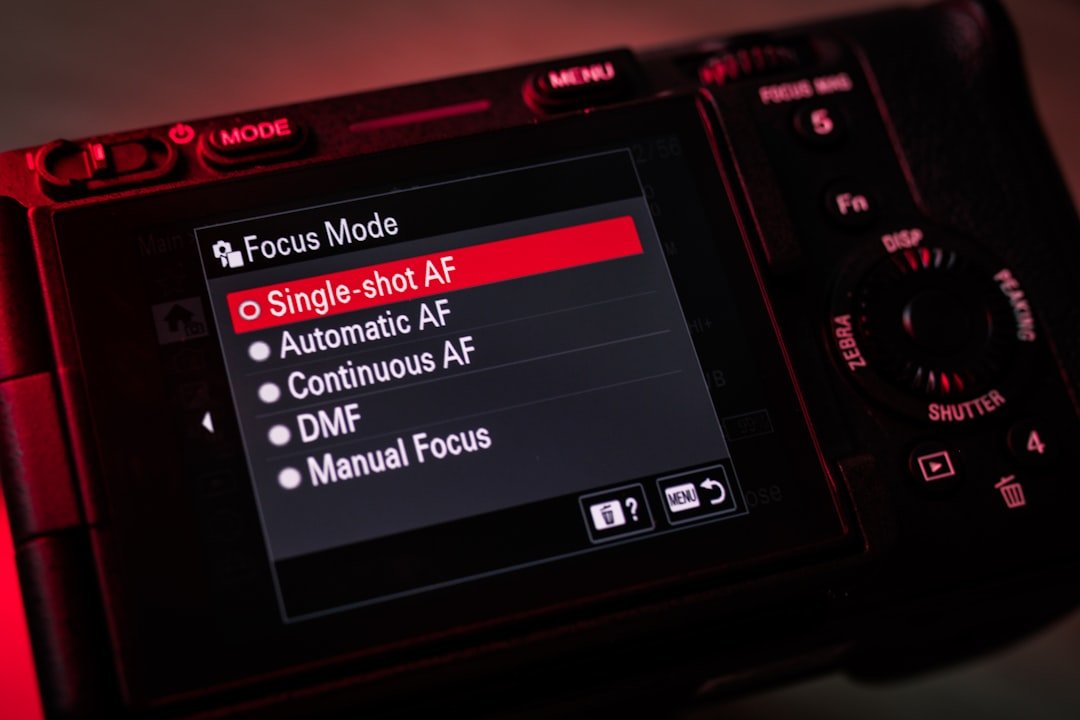
The absence of dedicated hardware controls forced photographers into menu diving or touchscreen navigation, experiences that fundamentally detract from creative flow. This design philosophy represents form following corporate technology roadmaps rather than respecting photographic workflow.
Anticipating Tomorrow’s Disappointment
Given Sony’s established corporate orientation toward feature accumulation, an upcoming RX100 refresh will likely mirror the RX10 V’s philosophy: extended 24-200mm equivalent zoom, elevated burst frame rates exceeding professional DSLR specifications, and pricing approaching or exceeding $1,500 at launch. These additions prioritize specifications over usability—precisely the opposite direction the segment requires.
The genuine market opportunity lies in an alternative approach: a moderately-specced compact featuring accessible pricing, refined ergonomics, and straightforward mechanical controls. Such a camera would sacrifice some imaging prowess but recover what matters most—user satisfaction and creative control.
Sony’s proven competence in sensor and optical engineering means the technical foundation for such a device absolutely exists. What’s missing is corporate willingness to resist specification inflation. The contradiction remains unchanged: Sony manufactures cameras whose engineering we admire while operating interfaces that inspire detachment rather than enthusiasm.
Until the company recognizes that advanced technology serves the photographer rather than the inverse, the RX100 line will remain an achievement in specifications rather than satisfaction.