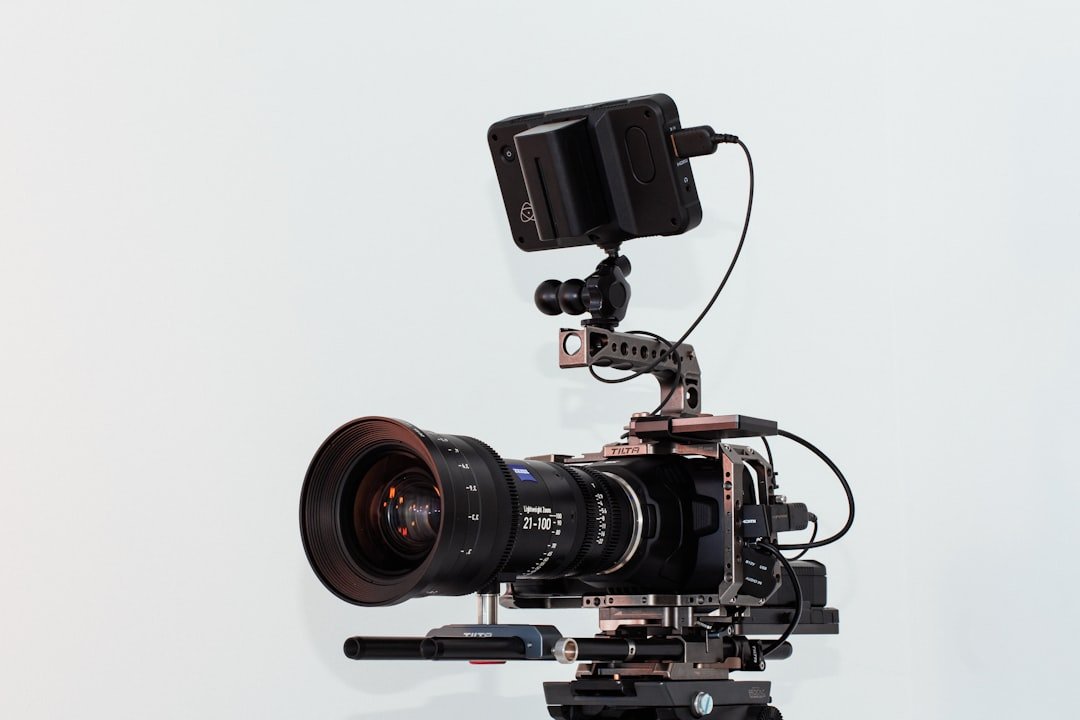
Evaluating Sigma’s Latest Cinema Zoom Lenses with Autofocus Capability
The introduction of autofocus technology into professional cinema optics presents filmmakers and cinematographers with a compelling paradox. While the convenience and speed of automated focusing systems have revolutionized modern production workflows, purists have long argued that such advancements come at a cost to tactile control and the refined manual focus experience that distinguishes premium cinema glass.
Sigma’s recent announcement of their new cine zoom collection featuring integrated autofocus technology sparked considerable intrigue within the industry. Proponents of the company’s vision suggested that their engineering approach would finally eliminate the traditional trade-offs between automated convenience and mechanical precision that have historically plagued AF cinema lenses.
To investigate these claims thoroughly, we obtained evaluation units of two critical focal lengths from this series: the 28-45mm T2 and the 28-105mm T3 variants. These intermediate and telephoto zoom ranges represent essential tools in contemporary cinematography, making them ideal candidates for rigorous field testing.
The Autofocus-Manual Focus Dilemma
For decades, cinema lens designers have grappled with a fundamental challenge: integrating AF systems without compromising the mechanical feedback and precision that define professional-grade manual focus operation. Many filmmakers maintain that AF lenses feel disconnected and imprecise when operated manually, resulting in a less intuitive user experience during critical focus pulls.
Sigma’s development team apparently invested considerable research into addressing this specific concern. The question remains whether their execution successfully delivers on these ambitious promises, or whether the inherent physics of autofocus systems inevitably creates the performance gaps that have plagued competitors.
What These Lenses Bring to Production
The 28-45mm T2 aperture lens offers exceptional light transmission characteristics, positioning itself as an ideal solution for variable-speed cinematography and challenging low-light environments. The broader 28-105mm T3 zoom provides tremendous versatility across standard production scenarios, combining moderate telephoto capabilities with wider framing options in a single optic.
Both lenses employ T-stop designations rather than f-numbers, reflecting cinema industry standards where consistent exposure readings are paramount regardless of focus distance. This technical specification indicates Sigma’s genuine commitment to cinema-specific engineering rather than repurposing still photography glass.
Investigating the Claims
Our comprehensive evaluation addresses the critical question: Has Sigma genuinely solved the long-standing incompatibility between autofocus convenience and manual focus craftsmanship? Early indications from our testing period suggest compelling findings worth exploring in greater depth.
The integration of focus breathing characteristics, mechanical resistance during manual operation, and AF responsiveness across various shooting conditions will form the foundation of our detailed assessment. We’ll examine whether these optics represent a genuine breakthrough in cinema lens technology or represent incremental improvements within existing parameters.
Professional cinematographers considering these tools for production workflows will find our complete analysis invaluable for determining whether Sigma’s latest offerings merit incorporation into existing kit configurations.