A Serendipitous Moment Captured Across Decades
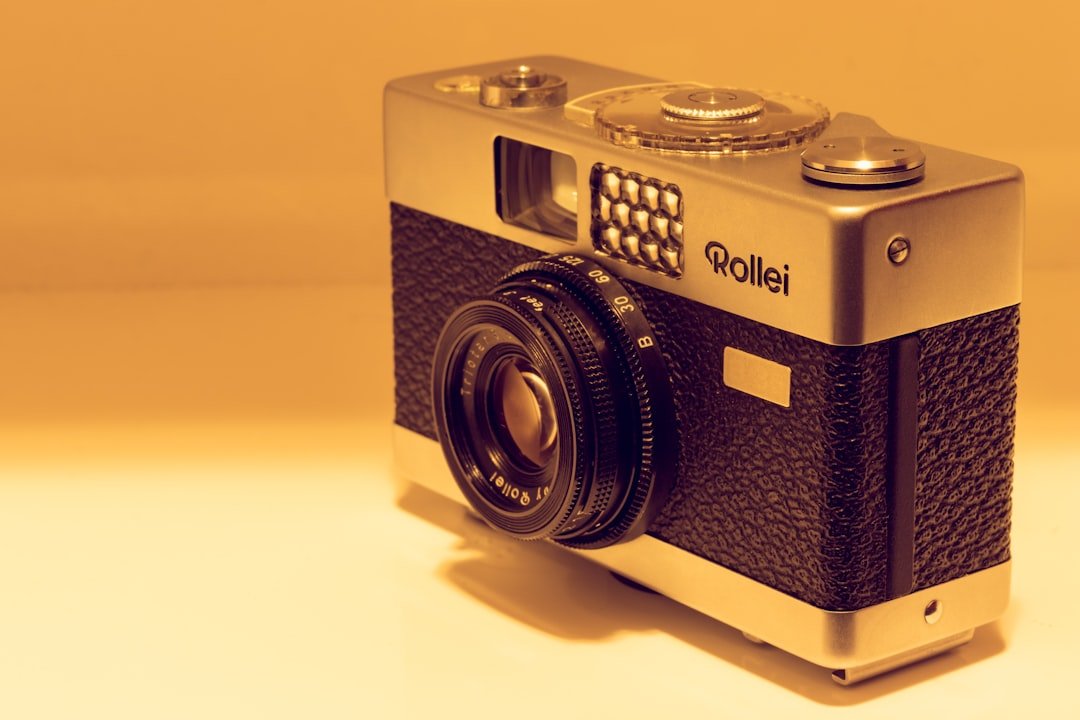
In one of photography’s most poignant coincidences, a bride’s decision to incorporate her late father’s cherished medium-format camera into her wedding day resulted in an extraordinarily moving discovery. By entrusting a vintage Rollei rangefinder from the 1970s to her brother with instructions to capture candid moments throughout the celebration, she unknowingly set the stage for an emotional time-traveling experience that would unfold weeks later.
The Rollei medium-format camera, a professional-grade instrument renowned for its optical precision and build quality, had been a treasured possession of the bride’s father. Rather than remaining dormant in storage, the apparatus became a functional participant in documenting the joyous occasion, bridging the past and present through the timeless medium of film photography.
The Darkroom Surprise
When the exposed film was submitted for professional scanning and digitization, the initial frames presented an unexpected narrative. The first image to emerge from the processing workflow wasn’t from the contemporary celebration at all. Instead, it depicted the bride’s mother and father together, captured in an intimate moment more than twenty years prior to the wedding ceremony.
This phenomenon, likely resulting from residual film exposure within the camera’s mechanism or an unexposed frame that had been overlooked during previous shooting sessions, transformed a technical anomaly into a meaningful artifact. The discovery exemplifies how analog photography continues to surprise us with its unpredictable nature—a characteristic that digital imaging rarely replicates.
The Enduring Appeal of Film Photography
This story resonates deeply within contemporary photography discourse, particularly as younger generations rediscover the tactile, intentional qualities of film-based image capture. The Rollei camera’s presence at the wedding represents more than nostalgia; it embodies the philosophical connection many photographers maintain with mechanical systems and the irreplaceable aesthetic they produce.
The medium-format platform, which Rollei mastered through decades of manufacturing excellence, delivers distinctive image characteristics—subtle grain structure, superior tonal gradation, and exceptional color rendition—that remain unmatched by contemporary digital alternatives in many photographers’ assessments. These technical merits, combined with the emotional resonance of handling the same instrument wielded by a beloved family member, elevated the bride’s decision from sentimental gesture to profound artistic statement.
Film’s Unpredictability as Narrative Device
The accidental double exposure ultimately illustrates a fundamental distinction between film and digital workflows. While digital photography emphasizes precision, preview capability, and immediate feedback, film photography embraces uncertainty and delayed gratification. The bride’s discovery weeks after the wedding ceremony reinforced this characteristic unpredictability—the camera harbored a secret awaiting revelation through the scanning and digitization process.
This serendipitous encounter between past and present demonstrates why analog image-making continues captivating contemporary photographers and families seeking to preserve memories. The mechanical nature of film cameras introduces elements of chance that can transform ordinary documentation into extraordinary keepsakes, creating layered narratives that extend beyond the photographer’s original intentions.