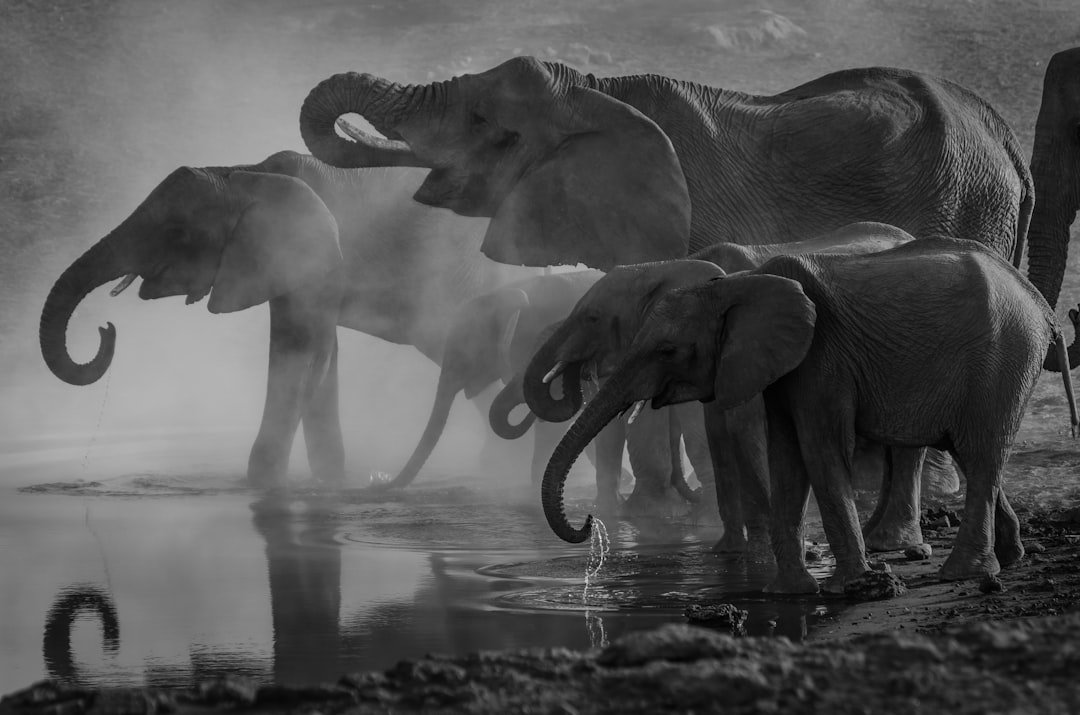
Synthetic Animal Footage Poses Growing Challenge to Conservation Science
The proliferation of artificially generated animal videos on digital platforms has emerged as a significant concern for the scientific community, with researchers warning that these synthetic productions are fundamentally altering public perception of genuine wildlife behavior and ecology.
The challenge extends beyond simple misinformation. These AI-rendered videos often depict behavioral sequences that defy biological reality, yet present them with documentary-style production values that lend false authenticity. When viewers encounter such content alongside legitimate scientific documentation, the distinction between factual observation and creative fabrication becomes increasingly blurred in the public consciousness.
The Impact on Scientific Communication
Wildlife photographers and documentary filmmakers have long served as critical intermediaries between field research and public understanding. Their work requires extensive fieldwork, behavioral observation, and technical expertise to capture authentic moments in nature. The emergence of synthetic alternatives threatens this credibility infrastructure in multiple ways.
From a technical standpoint, AI-generated animal videos leverage sophisticated deep learning algorithms capable of producing visually convincing footage. However, these systems lack the underlying biological knowledge necessary to render accurate behavior patterns. The result is content that appears professionally produced but conveys scientifically inaccurate information about animal physiology, social structures, and environmental interactions.
Broader Implications for Conservation Efforts
Scientists underscore a particularly troubling dimension: when fabricated animal footage circulates widely, it subtly reshapes how audiences conceptualize wildlife. Public misunderstanding of animal behavior can translate into poorly informed conservation policies, inadequate funding prioritization, and reduced support for legitimate environmental protection initiatives.
Photography and visual media professionals recognize this challenge acutely. Traditional wildlife photography demands patience, technical mastery, and ethical commitment to documenting reality rather than staging narratives. The rise of synthetic alternatives potentially devalues these professional standards while normalizing the presentation of fictional scenarios as empirical observation.
Verification Challenges in the Digital Age
The proliferation of AI-generated content coincides with declining visual literacy among general audiences. Without formal training in photographic and cinematographic techniques, viewers struggle to distinguish authentic documentary footage from synthetic recreations. This verification gap leaves audiences vulnerable to misinterpretation and creates obstacles for science communicators attempting to distinguish genuine findings from speculative fiction.
Industry experts emphasize that the solution requires multi-faceted approaches. Enhanced metadata standards, digital authentication methods, and improved platform governance can help establish verification systems. Simultaneously, strengthening visual education and critical media consumption skills among the public would build resilience against misinformation.
The Path Forward
Rather than dismissing AI as categorically harmful, researchers advocate for transparent distinction between synthetic and authentic content. When AI-generated animal videos are clearly labeled and contextualized within appropriate frameworks—such as educational entertainment or speculative illustration—they can coexist alongside legitimate scientific documentation.
The fundamental concern centers on maintaining the integrity of scientific communication. As artificial intelligence capabilities advance, protecting the credibility of authentic wildlife documentation becomes increasingly essential for informed public discourse around conservation, environmental policy, and our relationship with the natural world.