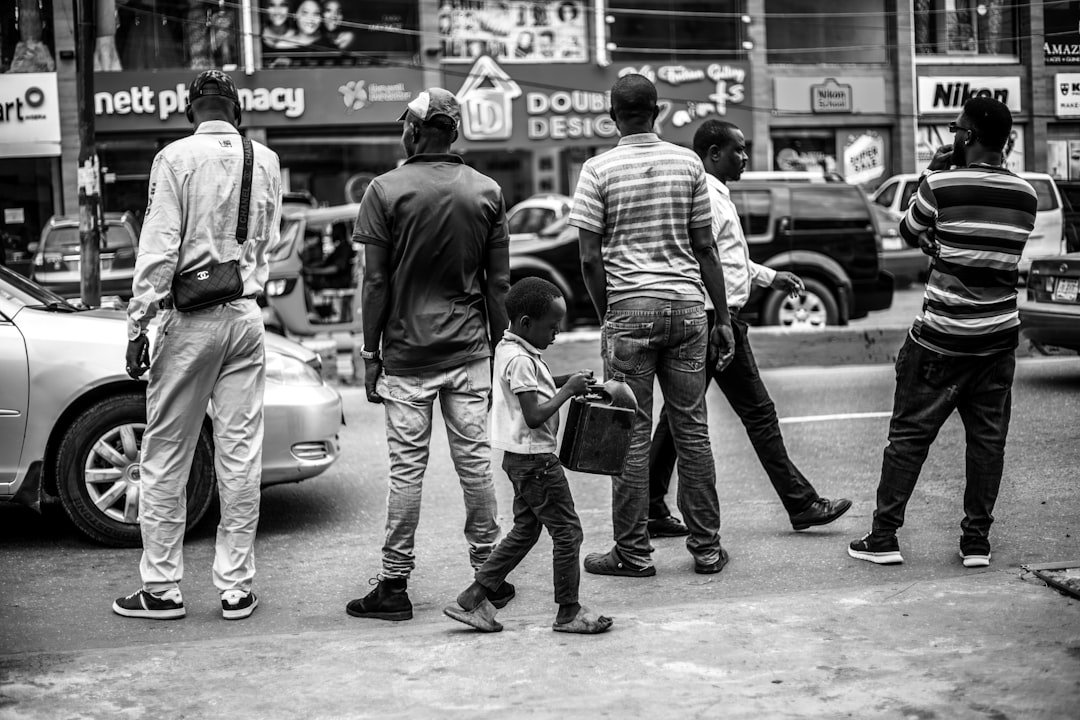
Street photography maintains a distinctive position within the contemporary photographic landscape. Its enduring appeal lies in its fundamental accessibility and democratic nature—a compelling contrast to genres requiring substantial financial investment or geographical relocation.
The Democratization of Visual Storytelling
One of street photography’s most valuable characteristics is its inherent inclusivity. Unlike specialized disciplines such as wildlife or travel photography, which often demand expensive equipment, airfare, and logistical planning, the street photographer can practice their craft immediately and locally. This democratization has fundamentally transformed how emerging creatives approach visual narrative development.
The medium thrives on proximity rather than destination. Urban environments—whether metropolitan hubs or modest provincial towns centers—provide boundless compositional opportunities. A photographer need not venture beyond their immediate surroundings to encounter compelling human moments, architectural geometry, and atmospheric conditions that merit documentation.
Authenticity in an Accessible Format
Contemporary discourse surrounding street photography frequently centers on questions of artistic integrity and cultural representation. However, the genre’s accessibility paradoxically strengthens rather than diminishes its capacity for genuine storytelling. When practitioners operate without the burden of expensive gear acquisition or travel logistics, they can concentrate entirely on visual observation and decisive moment capture—the discipline’s foundational principles.
The practice encourages photographers to develop a keen eye for ephemeral compositional elements: converging lines, unexpected juxtapositions, atmospheric lighting, and candid human interaction. These technical skills develop through repetition and familiarity with one’s local environment, not through exotic location scouting.
Building Community Through Local Perspective
Another significant advantage of this accessible approach involves community engagement and cultural documentation. Photographers working systematically within their neighborhoods create comprehensive visual archives that capture the authentic character of ordinary places. This localized focus generates meaningful dialogue between creator and community, producing work with genuine cultural resonance rather than tourist-oriented superficiality.
The medium also cultivates particular technical competencies that translate across all photographic disciplines: exposure metering in variable lighting, compositional framing, and rapid decision-making under spontaneous conditions. Street photographers develop these foundational skills through consistent practice rather than expensive experimentation.
Evolution Rather Than Decline
Rather than experiencing a loss of essential character, street photography is experiencing evolution shaped by contemporary visual culture. Digital accessibility, smartphone proliferation, and global image sharing platforms have expanded the genre’s reach while democratizing participation further. The question isn’t whether street photography retains its soul, but rather how its fundamental values—immediacy, authenticity, and democratic participation—continue adapting within modern technological and cultural contexts.
The genre’s sustainability depends not on expensive equipment or exotic locations, but on photographers’ commitment to observational practice and visual inquiry within their accessible surroundings. This foundational principle ensures street photography remains vital, relevant, and profoundly participatory.