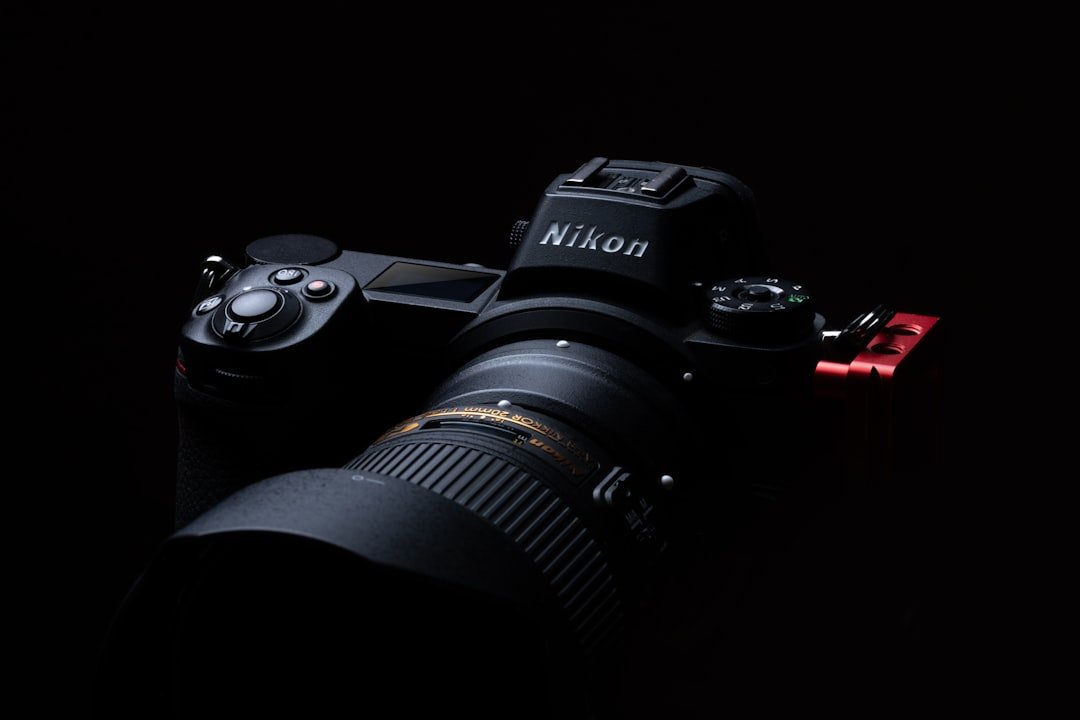
When Nikon’s Premium Compact Camera Dreams Faded Away
The early months of 2016 represented a pivotal moment in digital imaging history. While mirrorless technology was beginning to reshape the industry landscape, traditional DSLR manufacturing remained robust across all major manufacturers. Even Sony, despite its aggressive push into mirrorless systems, continued developing interchangeable lens cameras. It was against this backdrop that Nikon made an announcement that would ultimately become one of the company’s most infamous product missteps.
Alongside the introduction of two formidable prosumer bodies—the flagship D5 and the versatile D500—Nikon revealed an entirely fresh direction: the DL compact camera lineup. This sophisticated collection represented the company’s ambitious vision for premium pocket-sized photography, engineered with meticulous attention to detail and positioned as a luxury alternative to smartphone imaging.
The Vision Behind the DL Initiative
The DL series embodied Nikon’s strategic commitment to the high-end compact segment, a category that was experiencing renewed interest among discerning photographers who valued portability without sacrificing optical quality. These weren’t merely incremental updates to existing models—they represented a comprehensive reimagining of what a premium fixed-lens camera could deliver to contemporary users who demanded sophisticated features in a diminutive form factor.
The product line promised to bridge the growing chasm between smartphone convenience and dedicated camera functionality, targeting affluent photographers and serious hobbyists alike. With their premium engineering credentials and Nikon’s engineering heritage, these compacts seemed positioned for remarkable market success.
A Striking Disappearance
Yet despite considerable anticipation and favorable initial reception among camera enthusiasts, the DL series never materialized on retail shelves. What should have been a triumphant market debut instead became a cautionary tale about corporate planning and market volatility. The cameras that generated genuine excitement within the photography community were quietly shelved, leaving consumers and critics alike bewildered by the abrupt cancellation.
This abandonment represented far more than a simple product discontinuation—it symbolized Nikon’s retreat from a market segment where the company possessed genuine expertise and brand authority. The decision essentially surrendered meaningful ground to competitors and demonstrated a fundamental misreading of consumer demand at a critical juncture.
Reconsidering What Could Have Been
The DL cancellation invites fascinating speculation about alternative timelines and missed opportunities. In retrospect, Nikon’s withdrawal from this category appears increasingly shortsighted, particularly as the compact camera market has since demonstrated resilience among serious photographers who reject smartphone-dependent imaging workflows.
Contemporary industry dynamics suggest that a revitalized DL initiative might find considerably stronger market conditions today. The resurgence of interest in intentional, dedicated photography devices presents an opportune moment for Nikon to resurrect this promising concept with refined engineering and modern sensor technology.
The DL story serves as compelling evidence that market success requires not merely superior hardware, but also unwavering corporate commitment and precise timing. Whether Nikon will grant this ambitious vision another opportunity remains an open question that continues to intrigue the photography community.