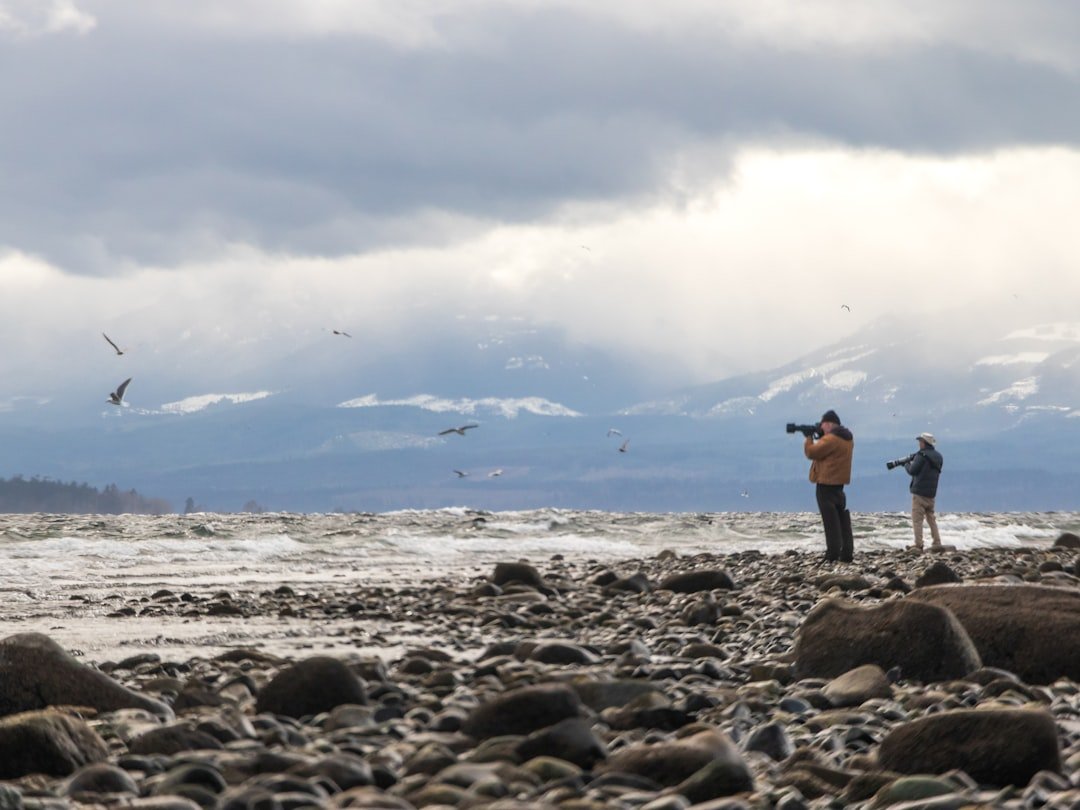
Embracing Adversity in Wildlife Photography
Over the past twenty years, my journey as a wildlife photographer has taught me a counterintuitive lesson: some of the most compelling imagery emerges not during picture-perfect conditions, but precisely when Mother Nature presents her greatest obstacles. From blizzards to downpours, torrential weather systems to treacherous terrain, these demanding situations consistently deliver the most memorable and impactful photographs.
This discovery transformed how I approach field assignments and location scouting. Rather than postponing expeditions when forecasts show deteriorating conditions, I’ve learned to anticipate the creative possibilities that adverse weather presents. The dramatic interplay of light filtering through storm clouds, the behavioral shifts animals exhibit during severe weather, and the raw authenticity captured in such moments create a visual narrative that studio lighting simply cannot replicate.
Technical Considerations in Extreme Environments
Working in harsh weather demands more than just determination—it requires meticulous preparation and equipment knowledge. Protecting gear from moisture, managing battery drain in sub-zero temperatures, and adjusting exposure settings for low-light conditions become fundamental skills rather than theoretical concepts. The challenge of maintaining image sharpness when handling frozen equipment or fighting wind-driven precipitation pushes photographers to develop deeper technical proficiency.
Beyond equipment concerns, extreme conditions force a reassessment of compositional strategies. When visibility decreases or lighting becomes unpredictable, relying on sophisticated camera settings becomes essential. Understanding ISO flexibility, shutter speed trade-offs, and aperture limitations in low-light scenarios separates competent work from exceptional imagery.
The Behavioral Advantage
Wildlife exhibits distinctly different patterns during inclement weather. Animals seek shelter, exhibit heightened alertness, or engage in survival-driven behaviors that rarely occur during clement conditions. This behavioral authenticity provides photographers with rare opportunities to document genuine interactions and survival strategies—moments that define the subject rather than showcase idealized conditions.
Precipitation and wind also create visual texture within frames. Rain droplets catch light in distinctive ways, snow creates atmospheric depth, and storm clouds provide dramatic backlighting opportunities. These natural elements become compositional elements rather than obstacles to overcome.
Developing Resilience and Perspective
The psychological dimension of working through challenging weather cannot be understated. Persisting when conditions are uncomfortable, maintaining focus despite physical discomfort, and problem-solving in real-time builds professional resilience. This mindset ultimately enhances creative output and adaptability across all photographic scenarios.
The most valuable lesson from two decades of field work remains simple: the conditions that test our commitment often produce the results that define our careers. By embracing rather than avoiding adversity, wildlife photographers unlock creative potential that comfortable circumstances rarely inspire.