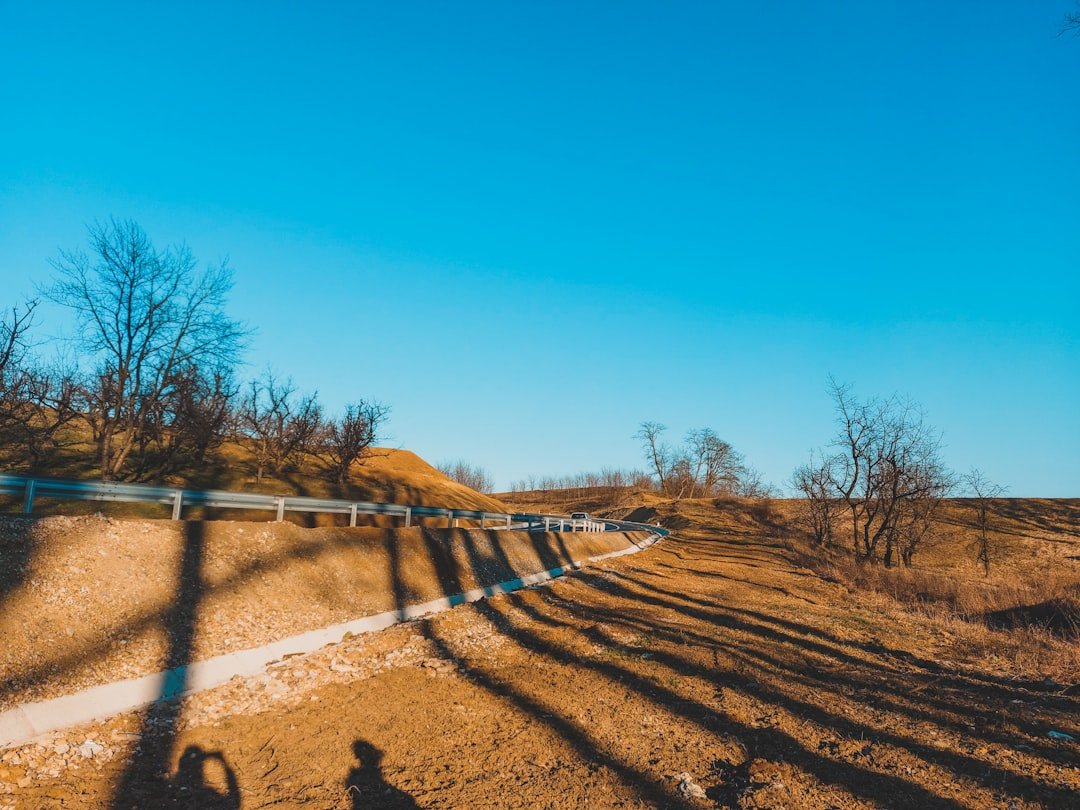
Embracing the Challenging Golden Hours
The conventional wisdom circulating through landscape photography communities often suggests retreating indoors once the sun reaches its zenith. However, this widely accepted doctrine misses a crucial opportunity: some of the most compelling imagery emerges precisely when solar intensity peaks and contrast becomes pronounced.
Many photographers dismiss the period between mid-morning and late afternoon as unsuitable for serious work, deferring their creative efforts until dawn or dusk. Yet abandoning these hours represents a significant limitation to your shooting schedule and creative potential. By developing proficiency in navigating high-contrast conditions, you gain access to substantially more production time and develop a distinctive aesthetic that distinguishes your portfolio.
Understanding the Technical Challenge
Harsh midday illumination presents genuine technical obstacles. The overhead sun creates stark shadows, reduces tonal separation, and often produces unflattering results through conventional landscape methodology. These conditions demand a fundamental shift in how you approach composition, exposure metering, and post-processing strategy.
Rather than fighting these characteristics, professional photographers increasingly recognize that embracing them opens new creative directions. The intensity and directionality of bright sunlight can emphasize texture, create dramatic silhouettes, and produce color saturation that softer light cannot achieve.
Developing Your Interpretive Vision
Success in challenging lighting requires reframing your perspective about what constitutes desirable conditions. Instead of seeking the flattering, diffused quality that characterizes golden hour imagery, consider how strong directional light can sculpt your subject matter and convey mood and dimension.
The stark shadows and pronounced highlights become compositional tools rather than technical problems to overcome. This perspective shift allows you to discover photographic opportunities that others habitually overlook, cultivating a unique visual voice in your work.
Practical Techniques for Difficult Conditions
Mastering exposure becomes critical when working with extreme contrast ratios. Dynamic range limitations in digital sensors necessitate deliberate choices about which tonal regions receive priority. Many contemporary photographers employ graduated neutral density filters or advanced metering techniques to manage these challenging situations effectively.
Composition also requires refinement. Look for subjects where contrast enhances storytelling—architectural elements, textured surfaces, or silhouetted subjects benefit tremendously from the graphic quality that harsh light provides. Negative space and geometric relationships become more visually striking when rendered in high contrast.
Expanding Your Creative Possibilities
The practical advantage of developing this skill set cannot be overstated. Rather than restricting yourself to the narrow windows before sunrise and after sunset, you gain the ability to photograph productively throughout the entire day. This expanded availability translates to more shooting opportunities, better ability to accommodate client schedules, and increased creative output overall.
Additionally, the visual language you develop through working with intense light distinguishes your aesthetic from photographers who exclusively pursue conventional golden hour imagery. Your work develops recognizable characteristics that reflect mastery of technically demanding conditions rather than reliance on naturally forgiving lighting scenarios.
By embracing rather than avoiding bright, unforgiving light conditions, you unlock substantial professional and creative advantages that extend your photographic practice and elevate the distinctive quality of your final images.