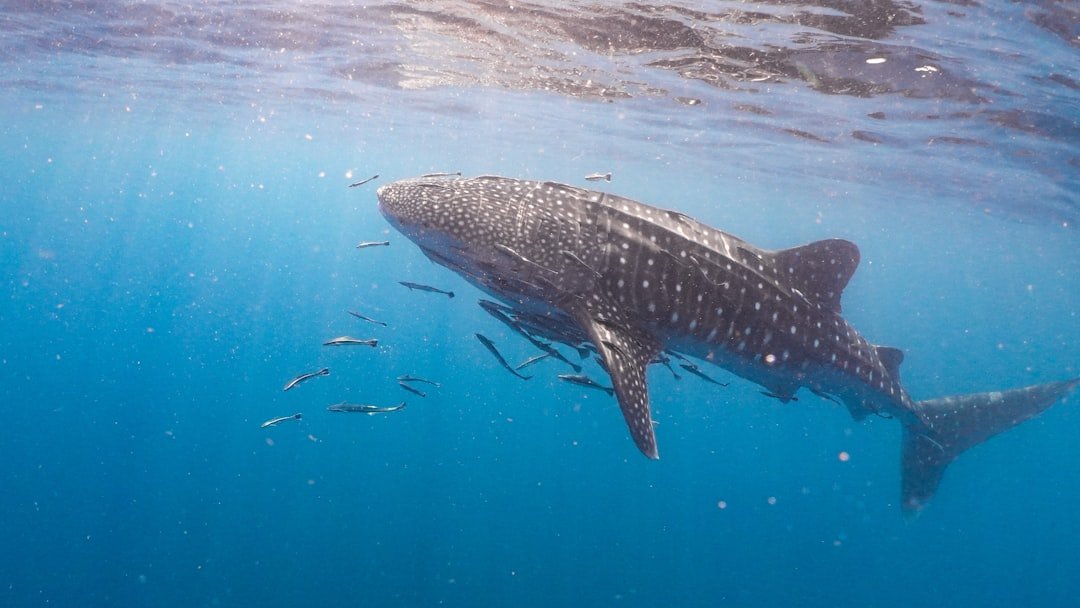
Groundbreaking Camera Deployment Reveals Feeding Behavior of Ocean’s Gentle Giants
Marine scientists have achieved a remarkable milestone in underwater documentary filmmaking by deploying specialized camera systems directly onto whale sharks, enabling researchers to capture never-before-documented footage of these magnificent creatures during their natural feeding activities. This innovative imaging approach provides an unprecedented window into the daily lives of the world’s largest extant fish species.
The multi-camera rig deployment represents a significant advancement in marine biology cinematography. By positioning cameras at the animal’s vantage point, researchers gain authentic perspectives that traditional underwater filming methods cannot replicate. This first-person documentation approach allows scientists to observe intricate feeding mechanics and behavioral patterns with remarkable clarity and precision.
Unveiling Krill Hunting Strategies
One of the most significant discoveries involves detailed documentation of whale shark predation on krill swarms. The mounted cameras captured the complete feeding sequence, revealing sophisticated hunting strategies previously understood only through indirect observation or water column analysis. These gentle filter feeders employ remarkable precision when pursuing concentrated plankton aggregations, demonstrating coordination and spatial awareness that challenges earlier assumptions about their feeding behavior.
The cinematographic evidence showcases how whale sharks navigate through dense krill concentrations, utilizing their massive mouths as biological collection systems. The high-resolution imagery reveals subtle behavioral cues that indicate how these animals detect and target food sources, information invaluable for understanding their nutritional ecology and environmental habitat preferences.
Technical Innovation in Marine Documentation
The successful implementation of this camera deployment methodology represents significant progress in wildlife imaging technology. The equipment selection involved specialized consideration for saltwater compatibility, buoyancy management, and minimal impact on animal behavior. Contemporary underwater camera systems, featuring advanced compression algorithms and extended recording capacity, made this ambitious documentation effort feasible.
Professional cinematographers working on ocean documentaries have long sought practical solutions for obtaining authentic animal perspective footage. This whale shark project demonstrates that carefully engineered attachment systems, combined with state-of-the-art imaging sensors, can deliver exceptional results while maintaining rigorous ethical standards regarding animal welfare and conservation principles.
Expanding Marine Research Photography
This breakthrough documentation initiative opens significant opportunities for future marine behavioral studies. By combining portable imaging technology with field biology expertise, researchers can examine ecosystems and species interactions with unprecedented detail. The footage generated from this project contributes substantially to our understanding of megafauna ecology while simultaneously advancing visual documentation standards within the scientific community.
The implications extend beyond pure research applications. Educational institutions, documentary filmmakers, and conservation organizations now possess compelling visual resources for communicating marine ecosystem dynamics to global audiences. High-quality, authenticated footage of animal behavior in natural settings represents increasingly valuable content for science communication and public engagement initiatives.
As underwater imaging technology continues advancing, comparable camera deployment projects on diverse marine species become increasingly viable. This whale shark documentation serves as a methodological template for future researchers seeking to document animal behavior with minimal environmental disruption while generating scientifically rigorous observational data.