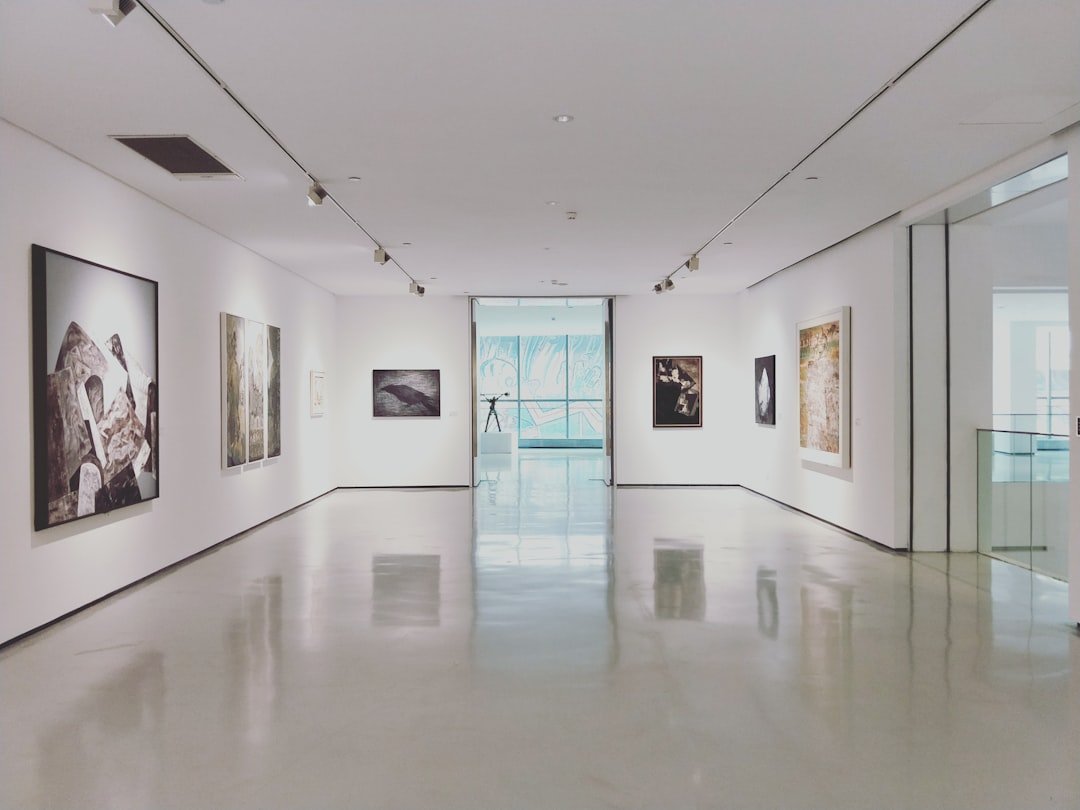
Contemporary Art Venue Navigates Controversial Territory with Machine Learning Submissions
A prominent visual arts venue located in Belfast has become the focal point of a heated debate within the creative community after programming an exhibition that incorporated works produced through artificial intelligence technology. The curatorial decision has generated significant pushback from photographers, artists, and cultural commentators who question the appropriateness of algorithmic imagery within a traditional gallery setting.
The controversy highlights an increasingly fraught intersection between emerging computational methods and established fine art institutions. As generative AI tools become more sophisticated and accessible, galleries worldwide face difficult questions about artistic legitimacy, creative authorship, and the role of human intention in visual culture.
The Broader Context of Technology in Contemporary Art
The Belfast venue’s situation reflects broader tensions rippling through the international art community. Professional photographers and traditional digital artists have expressed concerns that AI-generated imagery—created through machine learning algorithms trained on vast databases of existing visual content—represents a fundamentally different creative process than human-directed photography or digital artmaking.
This distinction matters considerably to working artists who invest years developing technical skills, aesthetic sensibilities, and conceptual frameworks. The inclusion of algorithmically-produced work in curated gallery exhibitions suggests institutional validation of a process many traditionalists view as circumventing genuine artistic labor and decision-making.
Institutional Considerations and Curatorial Responsibility
Gallery operators face unprecedented challenges when evaluating submissions for contemporary exhibitions. The rapid proliferation of generative AI platforms has created new categories of visual content that technically weren’t available to curators just eighteen months ago. However, institutional credibility depends partly on maintaining rigorous standards around artistic authenticity and intentionality.
The Belfast gallery’s approach raises important questions about curatorial gatekeeping, artistic merit assessment, and whether emerging technologies warrant equal standing with traditional mediums within fine art contexts. These considerations extend beyond aesthetics into fundamental questions about what galleries represent within cultural ecosystems.
Community Response and Moving Forward
The backlash from Belfast’s creative community underscores the depth of feeling surrounding this topic. Professional photographers particularly worry that algorithmic image generation could devalue their work and threaten sustainable creative careers. Industry advocates have called for clearer institutional policies distinguishing between human-created and machine-generated visual content.
As artificial intelligence continues evolving, cultural institutions will increasingly confront these dilemmas. Some galleries are developing transparent disclosure protocols, while others debate whether segregating AI-generated work into separate exhibitions might address community concerns while still engaging with contemporary technological developments.
The Belfast controversy serves as an important case study for art world stakeholders navigating this complicated landscape. Rather than dismissing either technological innovation or traditional artistic practice, thoughtful institutions may eventually develop frameworks acknowledging both while maintaining integrity around authorship and creative intentionality.