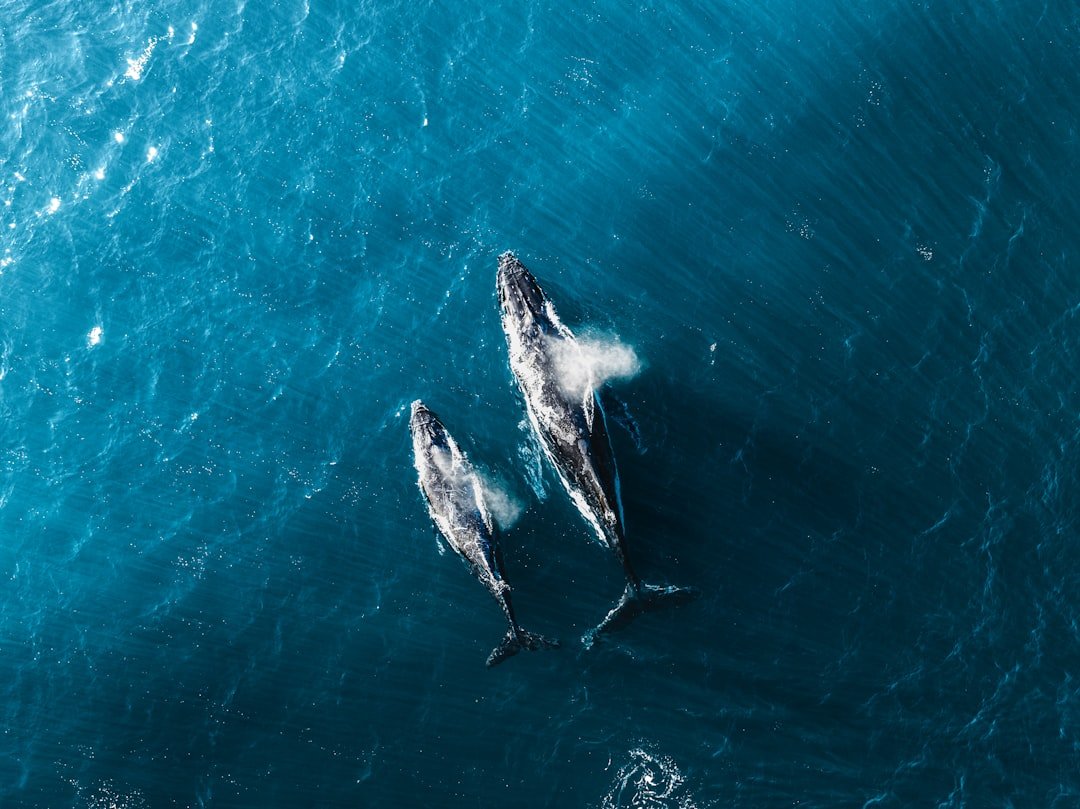
Breaking New Ground in Marine Wildlife Documentation
In a groundbreaking achievement for underwater and aerial cinematography, a skilled drone operator has successfully documented what marine biologists and wildlife filmmakers believe to be the first-ever aerial recording of a humpback whale in the process of childbirth. This remarkable footage represents a significant milestone in the documentation of cetacean behavior and showcases the expanding capabilities of unmanned aerial vehicle (UAV) technology in scientific observation.
The capture of this intimate natural event underscores how modern drone technology has revolutionized wildlife documentation. Where traditional marine photography and videography relied on surface vessels and limited vantage points, contemporary unmanned systems provide photographers with unprecedented perspectives and access to sensitive moments in marine mammal lifecycles. The aerial viewpoint offers researchers and documentarians visual data that would have been impossible to obtain through conventional means just a decade ago.
Technical Achievement and Cinematic Significance
Successfully filming cetacean reproduction requires exceptional technical skill, patience, and environmental awareness. The photographer needed to maintain precise altitude, positioning, and stability while operating equipment in challenging ocean conditions—all while respecting the animal’s space and natural behavior. The resulting footage demonstrates the sophistication of contemporary drone stabilization systems and the operator’s expertise in managing complex filming scenarios.
For the wildlife photography and documentary filmmaking communities, this achievement represents a watershed moment. It exemplifies how responsible drone operators can push the boundaries of visual storytelling while maintaining ethical standards for animal observation. The footage provides unprecedented insight into humpback whale reproductive behavior, potentially offering marine biologists valuable information about the species’ breeding patterns and maternal instincts.
Implications for Marine Research and Conservation
Beyond its cinematic value, this documentation holds scientific importance for cetacean research. Visual recordings of whale births are extraordinarily rare, making this footage a valuable resource for marine biologists studying population dynamics, health indicators, and behavioral patterns. Such visual data can complement traditional research methodologies and enhance our understanding of these magnificent ocean mammals.
The successful capture also highlights the growing intersection between adventure photography, documentary filmmaking, and scientific inquiry. Professional wildlife cinematographers increasingly serve dual roles as both artists and citizen scientists, contributing meaningful observational data while creating compelling visual narratives that engage public audiences with marine conservation messaging.
The Future of Aerial Wildlife Documentation
This milestone suggests exciting possibilities for future marine wildlife projects. As drone technology continues advancing—with improvements in battery life, payload capacity, and imaging resolution—photographers will gain even greater ability to document rare animal behaviors. However, experts emphasize that such work must remain grounded in ethical guidelines protecting wildlife from disturbance or harm.
The achievement reinforces why investment in quality equipment, operator training, and environmental stewardship remains essential for wildlife photographers. This convergence of technical mastery, artistic vision, and scientific rigor continues defining the next generation of nature documentation.