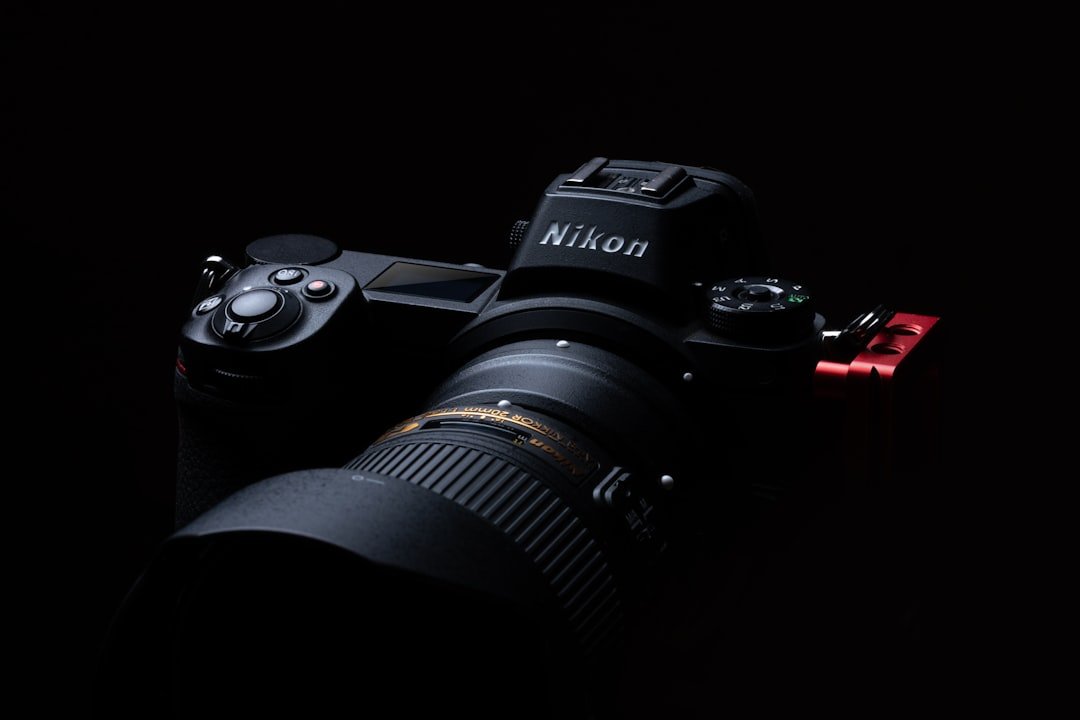
Understanding the Ultra-Fast Portrait Lens Market
The mirrorless camera ecosystem has witnessed significant innovation in fast prime lenses, particularly in the 85mm focal length category. Currently, a limited number of manufacturers—just three in the mirrorless space—produce 85mm f/1.2 optics, representing the ultra-fast end of the market spectrum. The price differential between Nikon’s maximum aperture offering and its f/1.8 counterpart presents a substantial investment consideration, typically hovering around $2,000. This significant financial gap raises an important question that portrait photographers and creative professionals must address: what tangible benefits justify such a premium for additional aperture stops?
The Cost-Benefit Analysis for Portrait Work
When evaluating ultra-fast lenses, photographers must weigh multiple performance factors beyond raw specifications. The f/1.2 maximum aperture provides additional light-gathering capability, enabling faster shutter speeds in challenging lighting conditions and facilitating shallower depth-of-field effects. These characteristics appeal particularly to professionals working in weddings, fashion, and studio portraiture where subject isolation and background separation are critical to the final aesthetic.
However, the practical differences between f/1.2 and f/1.8 merit careful consideration. The additional stop of light represents a 2.4x improvement in light transmission—meaningful but not transformative for most shooting scenarios. In controlled environments or outdoor conditions with adequate ambient light, the technical advantage diminishes considerably.
Optical Quality and Design Considerations
The engineering demands of ultra-fast optics influence optical performance characteristics. Maximum aperture lenses typically feature more complex element configurations to manage spherical aberration, coma, and other optical corrections. This complexity can result in superior bokeh rendering and edge-to-edge sharpness characteristics at extreme apertures, though stopped-down performance may show minimal differentiation between the two options.
Build quality and construction standards often reflect the price difference. Ultra-fast professional lenses typically incorporate weather sealing, premium materials, and enhanced mechanical precision. These durability enhancements appeal to working professionals who depend on equipment reliability across extended shooting sessions and varied environmental conditions.
Practical Applications and Workflow Integration
For photographers operating primarily in well-lit environments or those utilizing continuous artificial lighting systems, the extra aperture capacity may deliver diminishing returns. Conversely, photojournalists, low-light specialists, and cinematographers integrating these optics into video workflows might discover the additional light-gathering advantage justifies the investment.
The autofocus performance and tracking capabilities at ultra-wide apertures represent another consideration. Modern mirrorless systems employ sophisticated contrast detection and phase-detection algorithms optimized for f/1.2 performance, potentially offering faster acquisition and improved subject tracking compared to slower alternatives.
Making Your Decision
The choice between these optical solutions ultimately depends on individual workflow requirements, shooting environments, and financial considerations. Professional photographers generating substantial income from portrait work may find the technical and operational advantages justify the premium. Enthusiasts and part-time practitioners might discover the f/1.8 option provides excellent optical performance and cost efficiency.
Rather than viewing this as a straightforward specifications comparison, consider your typical shooting scenarios, lighting conditions, and creative vision. Both options represent capable instruments; the optimal choice aligns with your professional demands and budgetary parameters.