The Shifting Economics of Professional Photography Equipment
The photography industry has long perpetuated a particular narrative: serious commercial work demands investment in top-tier camera systems. Yet emerging evidence from real-world studio productions challenges this conventional wisdom, suggesting that the distinction between entry-level and premium equipment has become increasingly blurred.
A comprehensive studio-based fashion photography project utilizing mid-tier Nikon equipment recently demonstrated that exceptional results remain entirely achievable without deploying flagship bodies. This finding carries significant implications for emerging professionals and established shooters alike who may feel pressured to justify substantial capital expenditures on camera bodies alone.
Where True Professional Value Resides
The technical capabilities gap between consumer-oriented and professional-grade camera bodies has contracted substantially over the past decade. Modern sensor technology, autofocus systems, and processing engines have democratized image quality across price tiers far more than ever before. The real differentiators in professional output now center on variables photographers can actually control and optimize: sophisticated lighting design, premium optics, and thoughtful composition.
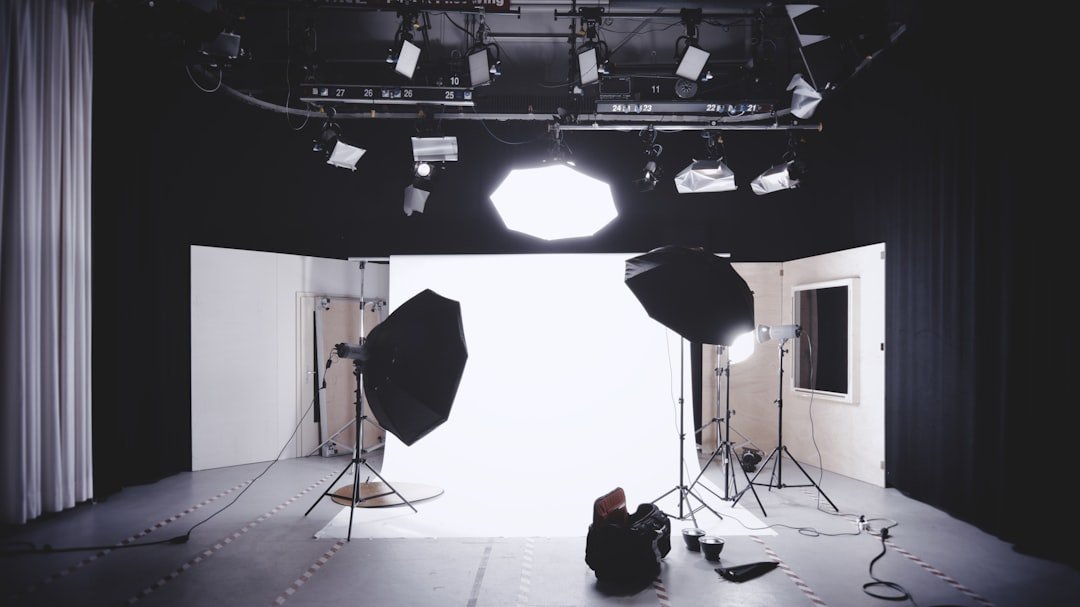
When examining production workflows, a strategically selected lens portfolio outperforms a premium body paired with mediocre glass. Studio photographers consistently report that investing in quality optics—whether prime lenses with exceptional sharpness or specialized zoom ranges—yields far more noticeable improvements in final imagery than marginal sensor upgrades. Similarly, mastering contemporary lighting techniques and investing in professional-grade fixtures and modifiers generates the visual distinction clients actually perceive.
Reconsidering Equipment Investment Strategy
This paradigm shift encourages professionals to fundamentally reconsider their purchasing philosophy. Rather than chasing sequential body upgrades, a more intelligent approach involves strategic allocation across the entire kit ecosystem. A competent mid-range body paired with two or three exceptional lenses, supplemented by thoughtfully chosen lighting equipment and modifiers, consistently outperforms expensive body hardware operating with pedestrian support gear.
Commercial clients evaluating photographer portfolios rarely identify which specific camera body produced winning images. Instead, they assess technical execution, lighting sophistication, color grading, and compositional mastery. These elements reflect photographer skill, creative vision, and equipment holistically deployed—not individual component specifications.
Practical Implications for Today’s Professionals
For freelance photographers navigating tight budgets, this represents genuinely liberating news. Career advancement need not hinge on financing flagship bodies through premium financing arrangements. Instead, professionals can allocate resources toward expanding lens selections, upgrading lighting systems, and investing in education that directly impacts visual output.
The studio test reinforces what discerning professionals have increasingly recognized: modern digital technology has matured to the point where body selection represents just one variable among many determining success. Technical proficiency, creative problem-solving, and comprehensive equipment strategy now matter substantially more than chasing the latest flagship specifications.
As the industry continues evolving, this perspective offers encouragement for photographers at every career stage to evaluate their true needs honestly and invest strategically across all production elements rather than concentrating resources narrowly on camera bodies.