Understanding the Vision Gap Between Sensors and Human Eyes
Picture this scenario: You’re standing at a breathtaking overlook during golden hour. The panorama before you displays a magnificent interplay of illuminated clouds overhead and deeply shadowed terrain below. In one sweeping glance, your visual system captures the entire scene with stunning detail across both bright and dim areas. You raise your camera, compose the shot, and trigger the shutter with confidence. Yet when you review the image on your LCD screen, you’re met with disappointment—either a washed-out, featureless sky or murky, detail-free foreground. Neither version matches what your memory preserved.
This frustrating disconnect isn’t the result of equipment malfunction or operator error. Rather, it reveals a fundamental physiological difference in how the human visual system and digital imaging sensors process and interpret light information.
The Dynamic Range Challenge in Modern Photography
The culprit behind countless underwhelming landscape photographs is a technical limitation known as dynamic range—the ratio between the brightest and darkest elements a device can simultaneously capture while retaining detail. Human eyes possess an extraordinary ability to perceive detail across an immense range of luminosity values. This capability stems from the sophisticated adaptation mechanisms within our retinas, which constantly adjust to changing light conditions through pupil dilation and photoreceptor sensitivity modulation.
Camera sensors, by contrast, operate with fixed parameters once you’ve pressed the shutter button. Even today’s most advanced full-frame and mirrorless camera bodies struggle to match the dynamic range that human vision effortlessly achieves. While modern sensors have made impressive strides—with some flagship models capturing 14+ stops of dynamic range—the human eye can perceive approximately 20 stops under optimal conditions. This substantial gap explains why your canyon rim experience proved so challenging to document.
Why Your Camera Records What It Records
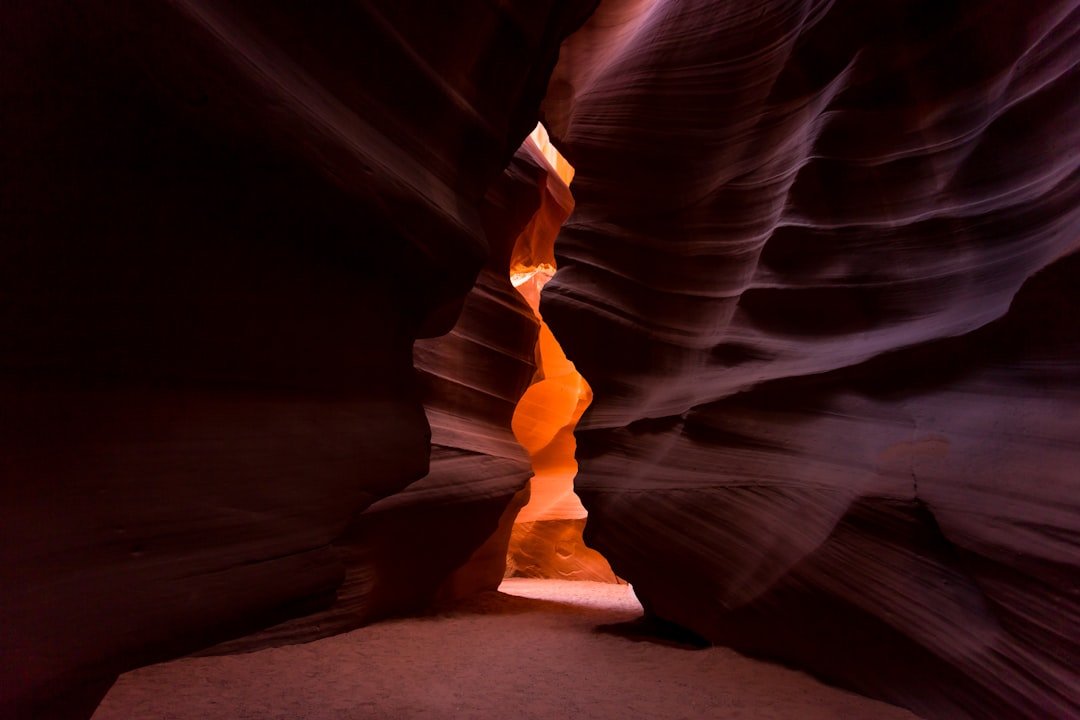
When you expose for the luminous sky, your sensor allocates its tonal information toward preserving highlight detail, inevitably pushing shadow areas into featureless black. Conversely, exposing for foreground elements causes the sky to burn out completely. Your camera’s metering system must make a compromise, and whichever choice you make sacrifices one portion of the scene.
Professional photographers have developed several sophisticated workarounds to address this inherent limitation. High Dynamic Range (HDR) processing, exposure bracketing followed by blending, and graduated neutral density filters represent popular strategies for approximating the comprehensive tonal range our eyes perceive naturally.
Looking Forward
As computational photography advances and sensor technology continues evolving, the gap between camera capture and human vision gradually narrows. Nevertheless, understanding this fundamental difference remains essential for contemporary photographers. Rather than viewing it as a limitation to lament, recognizing the dynamic range constraint empowers you to work creatively within your equipment’s capabilities and employ appropriate techniques to achieve your artistic vision.