A Once-in-a-Lifetime Celestial Event in Earth’s Most Remote Regions
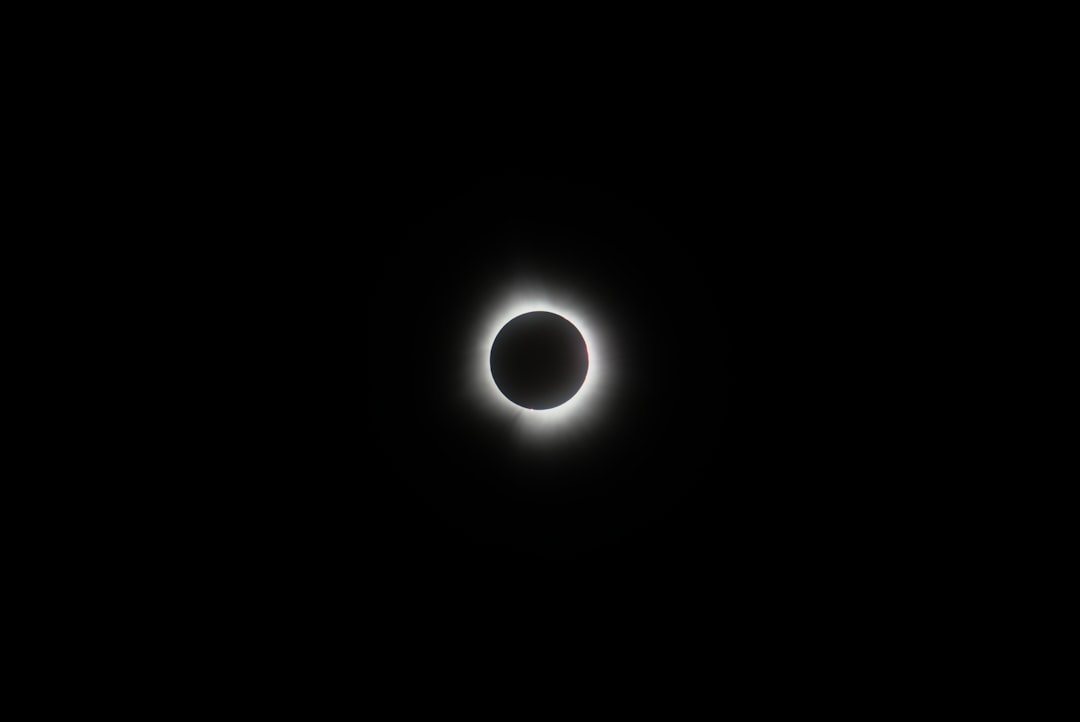
Photographing astronomical phenomena presents some of the most formidable technical and logistical challenges in the imaging profession. When Wayne ventured to Scoresby Sund in the high Arctic to document a total solar eclipse, he found himself at the intersection of extreme environmental conditions and unprecedented creative opportunity.
The experience, as recounted by the seasoned photographer, transcended typical assignment work. “The emotional and visual impact was genuinely staggering,” Wayne reflects, his enthusiasm palpable when discussing the event. “This ranks as the single most remarkable subject matter I have ever committed to digital sensor.”
Technical Demands of Eclipse Photography
Capturing solar eclipses demands meticulous preparation and specialized equipment. Photographers must account for rapidly changing light conditions, requiring sophisticated exposure metering techniques and often manual override of camera automation systems. The brief window of totality—sometimes lasting mere seconds to a few minutes—necessitates pre-calculated settings and multiple exposure strategies to maximize the probability of obtaining exceptional imagery.
Arctic locations present additional complications. Equipment must function reliably in extreme cold, battery performance degrades significantly, and protective filters require careful management to prevent condensation and optical degradation. The remote geography of Scoresby Sund compounds these challenges, offering limited access and demanding extensive pre-expedition planning.
The Allure of Polar Eclipse Expeditions
Professional and enthusiast photographers increasingly seek out eclipse photography opportunities in polar and remote regions. These locations offer several advantages: minimal cloud cover during specific seasons, unique landscape integration opportunities, and the psychological intensity of pursuing imagery in genuine wilderness environments.
The Arctic setting transformed this eclipse documentation into something beyond standard astronomical photography. The interplay between the darkened sky and the stark polar landscape created compositional possibilities rarely available in more accessible eclipse locations. Snow-covered terrain, distant ice formations, and the absence of urban light pollution all contributed to visually distinctive imagery.
Pushing Creative Boundaries
What distinguishes exceptional eclipse photography from merely competent documentation is the photographer’s ability to blend technical precision with artistic vision. Wayne’s description suggests he achieved this balance, transcending the mechanical aspects of capture to produce work that genuinely resonates emotionally.
For imaging professionals, such assignments represent career-defining moments. The convergence of challenging conditions, technical mastery, and natural phenomena creates opportunities to produce work that stands apart from routine commercial or editorial assignments. The investment in time, resources, and personal endurance often yields imagery that commands attention within the photography community.
Inspiration for the Imaging Community
Experiences like Wayne’s expedition underscore why many photographers view eclipse chasing as more than hobby—it becomes a driving passion. The combination of scientific fascination, technical challenge, and pure visual spectacle appeals to professionals across all specialties, from landscape photographers to astrophotography specialists.
For those considering similar expeditions, Wayne’s enthusiasm serves as compelling testament to the rewards of pursuing ambitious photographic projects in unforgiving environments. The memories created, skills refined, and imagery produced justify the considerable planning and sacrifice required.