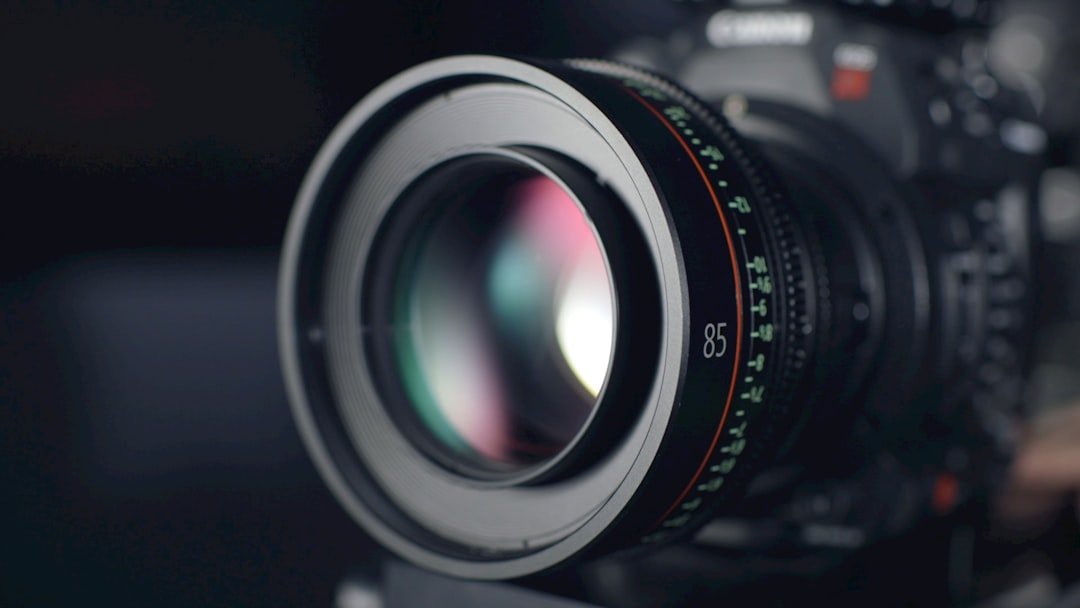
Discovering Optical Excellence in Discontinued Glass
The photography world continues to grapple with an intriguing paradox: some of the most impressive optical performance available today comes not from cutting-edge designs fresh off the assembly line, but rather from lenses engineered half a century ago. A particularly compelling example involves a Canon lens manufactured during the 1970s that demonstrates exceptional resolving power when paired with contemporary medium-format imaging sensors boasting 100-megapixel capabilities.
This phenomenon underscores a fundamental reality in photographic optics—technological age does not necessarily dictate image quality. The vintage Canon optic in question achieves resolution metrics that rival and, in certain scenarios, surpass what photographers might expect from modern lens designs optimized specifically for high-pixel-density sensors. This achievement reflects the meticulous engineering standards of Canon’s mid-century production era and the inherent strengths of traditional optical formulations.
The Aesthetic Appeal of Analog-Era Glass
Beyond mere technical specifications, enthusiasts continue gravitating toward discontinued lenses for reasons that extend into the aesthetic realm. Vintage optical elements impart distinctive character traits that contemporary digital optics struggle to replicate—subtle rendering qualities, specific bokeh characteristics, and a certain chromatic personality that contemporary computational photography cannot entirely simulate. These qualitative attributes resonate particularly strongly with working professionals and serious hobbyists who value the tangible, predictable nature of purely optical effects over algorithmic post-processing solutions.
The resurgence of interest in legacy glass reflects broader trends within the photographic community. As digital sensor technology reaches ever-higher megapixel counts, the optical limitations become increasingly apparent. Manufacturers face a genuine challenge: designing lenses that meaningfully leverage 100+ megapixel sensors while simultaneously justifying premium price points. Paradoxically, proven optical formulas from decades past sometimes accomplish precisely this feat with minimal contemporary modifications.
Understanding the Market Dynamics
The secondary market for discontinued professional glass has experienced substantial growth as photographers recognize both the financial and aesthetic advantages of legacy equipment. Prices for well-maintained examples of premium vintage lenses have appreciated significantly, reflecting genuine demand among photographers who appreciate the distinct rendering characteristics these optics provide.
This trend raises compelling questions about planned obsolescence and the nature of technological progress in camera equipment. While digital sensors continue their relentless march toward higher resolution and improved dynamic range, optical technology has essentially plateaued. The laws of physics governing lens design remain unchanged, and the optical principles perfected across the 1960s and 1970s proved remarkably durable.
For contemporary photographers operating modern medium-format systems, exploring vintage Canon glass represents a practical strategy for achieving exceptional results. The combination of proven optical design with ultra-high-resolution sensors creates possibilities that neither technology achieves independently. This convergence between yesterday’s precision engineering and today’s digital capabilities demonstrates that sometimes the most forward-thinking approach involves looking backward through a well-constructed viewfinder.