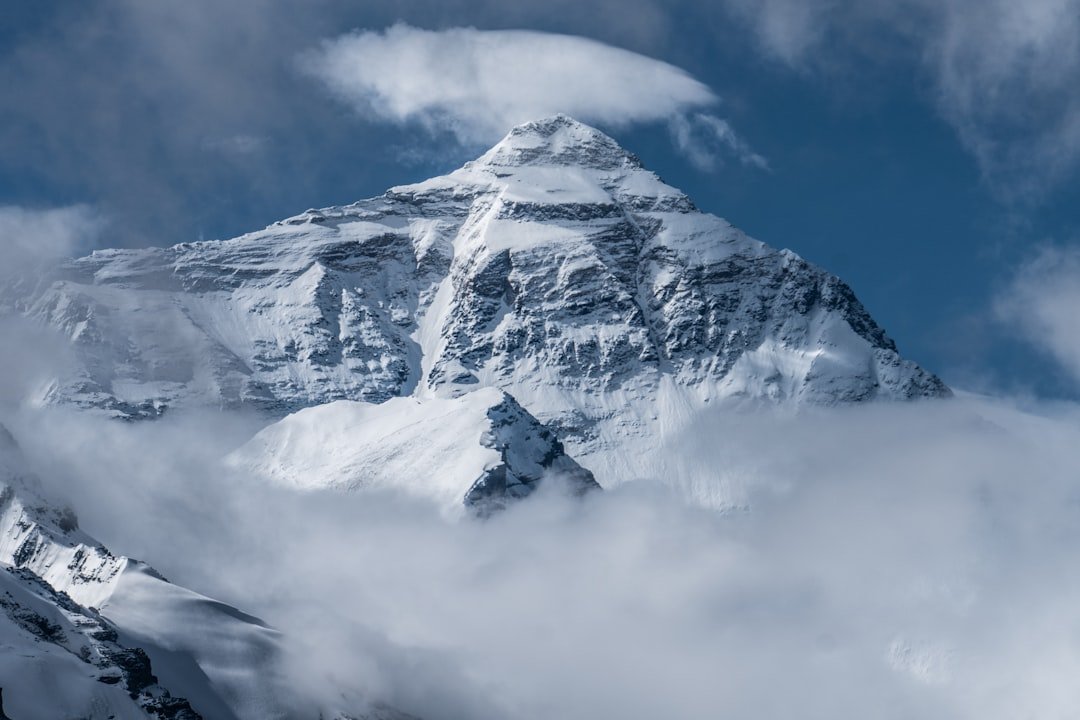
High among the treacherous slopes of Mount Everest, concealed beneath layers of snow, ice, and shifting glacial formations, lies a potential answer to mountaineering’s most enduring enigma. A compact camera—modest in size, no larger than a bar of soap—may be waiting to be discovered on the mountain’s northern face. Should this artifact ever surface, and provided its photographic emulsion remained protected from decades of extreme conditions, it could definitively resolve a historical question that has captivated the climbing community for a full century.
The central mystery involves two British mountaineers: George Mallory and Andrew Irvine, nicknamed Sandy. During their legendary 1924 expedition to Earth’s highest peak, the pair ventured toward the summit and subsequently disappeared. The fundamental question persists: did these pioneering climbers achieve the summit before their fatal descent, or did they perish before reaching their objective?
The Photography Evidence
The significance of locating this camera extends beyond mere historical curiosity. In the early 20th century, mountaineers carried cameras as essential documentation tools, capturing evidence of their achievements at extreme altitudes. Mallory and Irvine carried photographic equipment with them during their final attempt—equipment that might still contain crucial visual testimony.
If recovered and properly analyzed using modern photographic preservation and restoration techniques, any surviving film negatives could provide definitive proof of whether the climbers reached Everest’s summit. The physical evidence of their presence at the peak—recorded through a contemporary photographic image—would settle a debate that scholarly expeditions and circumstantial analysis have been unable to conclusively determine.
A Question of Historic Proportions
The timing of this potential discovery carries significant implications for mountaineering history. Edmund Hillary and Tenzing Norgay are officially credited with the first confirmed summit ascent in 1953, nearly three decades after Mallory and Irvine’s attempt. Confirmation of an earlier success would fundamentally alter the historical record and acknowledge these pioneers’ extraordinary achievement, even if they did not survive to share their triumph with the world.
The environmental conditions at Everest—with its perpetually frozen slopes, dynamic glacial movement, and harsh UV radiation—create both preservation challenges and unexpected possibilities. The extreme cold acts as a natural preservation mechanism for organic materials, including photographic emulsions. Yet the mountain’s violent weather patterns and geological shifts continually rearrange its surface, alternately exposing and burying artifacts.
The Search Continues
Modern climbing expeditions occasionally report discoveries and observations relevant to this historical puzzle. The international mountaineering community remains alert to any potential findings that might contribute to solving this century-old mystery. Should the camera be located, contemporary archival recovery and digital imaging technologies could potentially extract usable information from deteriorated film stock.
This remarkable narrative underscores how a single photographic artifact—a simple mechanical device carried to extraordinary heights—might ultimately provide the definitive documentation that historians and climbers have sought for generations, transforming our understanding of mountaineering’s pioneering era.