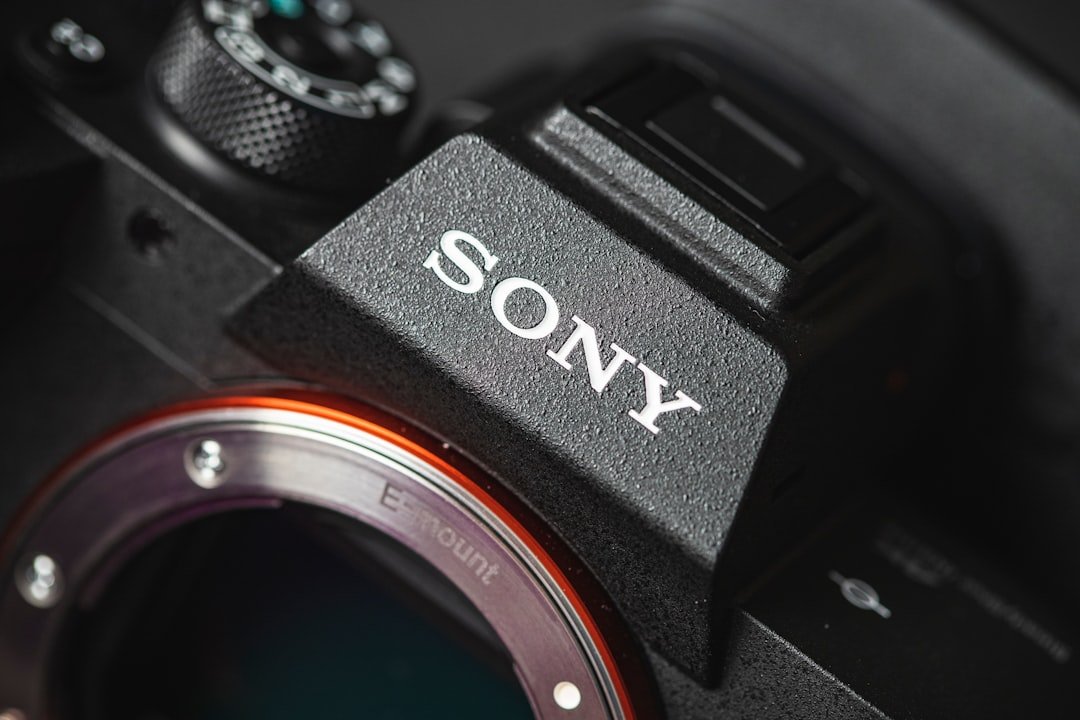
Sony Solidifies Its Position as the Image Sensor Market Leader
The photography and imaging technology sectors continue to experience significant consolidation, with one manufacturer emerging as the clear market dominance force. According to comprehensive industry analysis from the Nikkei Industry Map—an authoritative annual publication examining competitive landscapes across multiple sectors—Sony has secured an commanding position within the global image sensor marketplace.
The Nikkei Industry Map provides detailed competitive intelligence spanning numerous industries, with particular attention paid to semiconductor manufacturing and digital imaging components. Beyond merely examining camera equipment sales figures, this prestigious analysis delves deeper into the supply-chain infrastructure that powers modern photography technology.
Understanding the Image Sensor Landscape
Image sensors represent the fundamental technological foundation upon which modern digital photography rests. These semiconductor components convert optical information into digital data, making them absolutely critical to camera manufacturers worldwide. The competitive advantage enjoyed by leading sensor producers translates directly into product differentiation across camera brands.
Sony’s market penetration extends throughout the industry, with competing manufacturers—including Canon, Nikon, and numerous smartphone producers—relying heavily on sensor technology either developed internally or sourced from external suppliers. This strategic positioning provides Sony with considerable influence over pricing, specifications, and technological advancement within the broader ecosystem.
Market Dynamics and Competitive Positioning
The semiconductor manufacturing space demands extraordinary capital investment, specialized expertise, and years of research-and-development commitment. Few organizations possess the resources and institutional knowledge necessary to maintain competitive sensor production facilities. This barrier to entry naturally favors established players with existing manufacturing infrastructure and proven technological capabilities.
Sony’s dominance reflects decades of investment in semiconductor fabrication, optical design expertise, and manufacturing optimization. The company’s vertical integration—controlling multiple stages of sensor production and camera development—provides operational advantages that competitors find difficult to replicate quickly or cost-effectively.
Industry Implications for Photographers and Manufacturers
For professional photographers and camera enthusiasts, Sony’s market leadership influences the technological trajectory of imaging equipment. The company’s research investments shape sensor capabilities across the industry, from resolution improvements to enhanced low-light performance and processing speeds.
Meanwhile, camera manufacturers must navigate complex decisions regarding sensor sourcing, custom development partnerships, and supply-chain dependencies. These business considerations ultimately determine which features and specifications reach end-users, affecting purchasing decisions throughout the professional and consumer photography markets.
The Nikkei Industry Map continues serving as an essential resource for industry observers, investors, and manufacturers seeking data-driven insights into competitive positioning and market trends. Regular analysis of these metrics provides valuable perspective on technological innovation momentum and structural shifts within imaging-related industries.
As digital imaging technology continues evolving—encompassing advancements in computational photography, artificial intelligence integration, and video capabilities—Sony’s sensor technology will remain central to industry development. Understanding these market dynamics helps illuminate how equipment innovation reaches photographers worldwide.