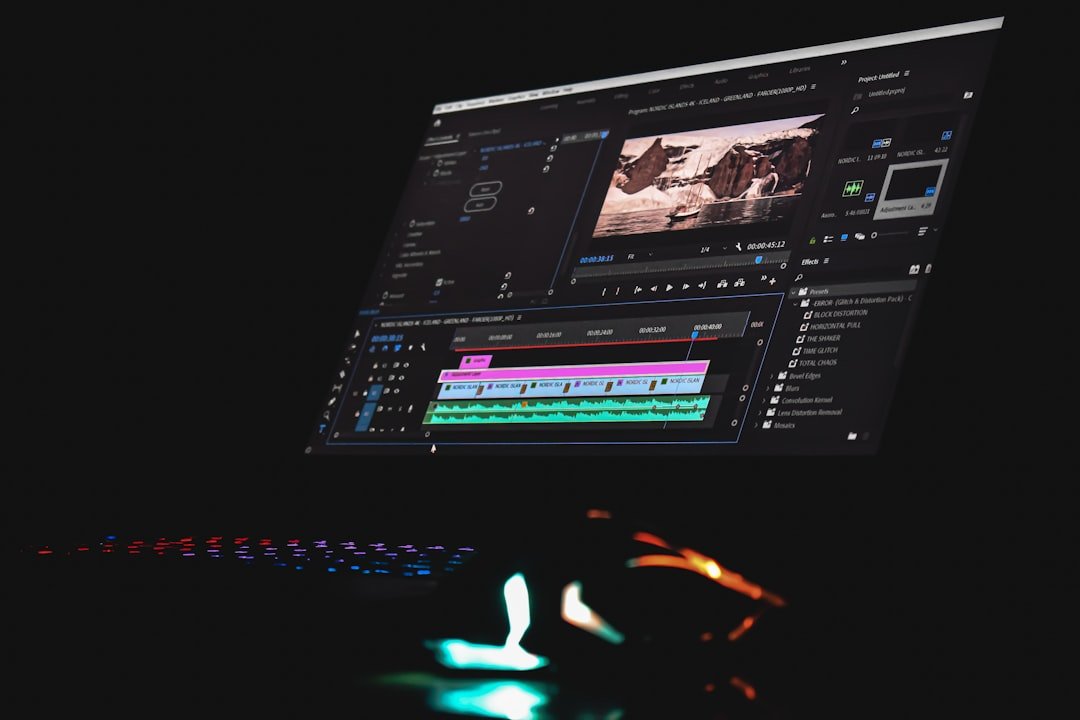
Adobe Streamlines Workflow by Merging ACR Capabilities into Photoshop
Adobe has long championed the philosophy that exceptional image editing software should empower creative vision rather than obstruct it with cumbersome technical barriers. The software giant’s recent enhancement to Photoshop represents a significant step toward this ideal, delivering professional photographers and digital artists with expanded creative autonomy and greater operational flexibility.
The integration in question brings the sophisticated non-destructive exposure adjustment capabilities historically reserved for Adobe Camera Raw (ACR) directly into Photoshop’s main interface. This consolidation eliminates the traditional workflow friction of switching between applications, allowing creators to maintain momentum while refining their imagery.
Breaking Down Workflow Barriers
Professional photographers have long appreciated Camera Raw’s advanced processing engine, particularly its robust handling of exposure correction, dynamic range recovery, and tonal adjustments. By embedding these powerful tools within Photoshop itself, Adobe addresses a persistent productivity challenge: the need to constantly toggle between applications during critical editing sessions.
This architectural decision reflects a broader industry trend toward integrated digital asset management and editing ecosystems. Competitors have similarly consolidated their toolsets, recognizing that seamless workflows translate directly to enhanced productivity and creative satisfaction among professionals.
Non-Destructive Editing as Standard
The non-destructive nature of these tools remains paramount. Photographers can now experiment freely with exposure parameters, knowing that their original image data remains completely intact. This approach fundamentally changes the relationship between editor and asset, encouraging creative exploration without fear of irreversible modifications.
The technical architecture underlying these tools preserves Photoshop’s layer-based editing paradigm while introducing parametric adjustment capabilities. Users gain the ability to revisit and modify exposure decisions at any point in their workflow, a critical advantage when working with high-value professional assignments or archival collections.
Implications for the Photography Community
This development carries particular significance for contemporary photographers navigating increasingly demanding client expectations. The ability to rapidly iterate on exposure corrections without leaving Photoshop accelerates final output timelines while maintaining the meticulous control professionals demand.
Educational institutions teaching digital photography will also benefit from this streamlined approach. Students can develop a more cohesive understanding of color management and tonal correction when these processes coexist within a unified interface rather than distributed across multiple applications.
Looking Forward
Adobe’s strategic decision demonstrates ongoing commitment to refining professional workflows rather than constantly introducing superficial feature additions. By thoughtfully integrating proven technology from specialized tools, the company acknowledges what experienced creators already knew: the best software disappears into the background, leaving artistic intention front and center.
For photographers already invested in Adobe’s ecosystem, this enhancement removes friction points and expands creative possibilities within familiar territory. The update validates the hybrid editing approach many professionals already employ while making that workflow significantly more efficient.