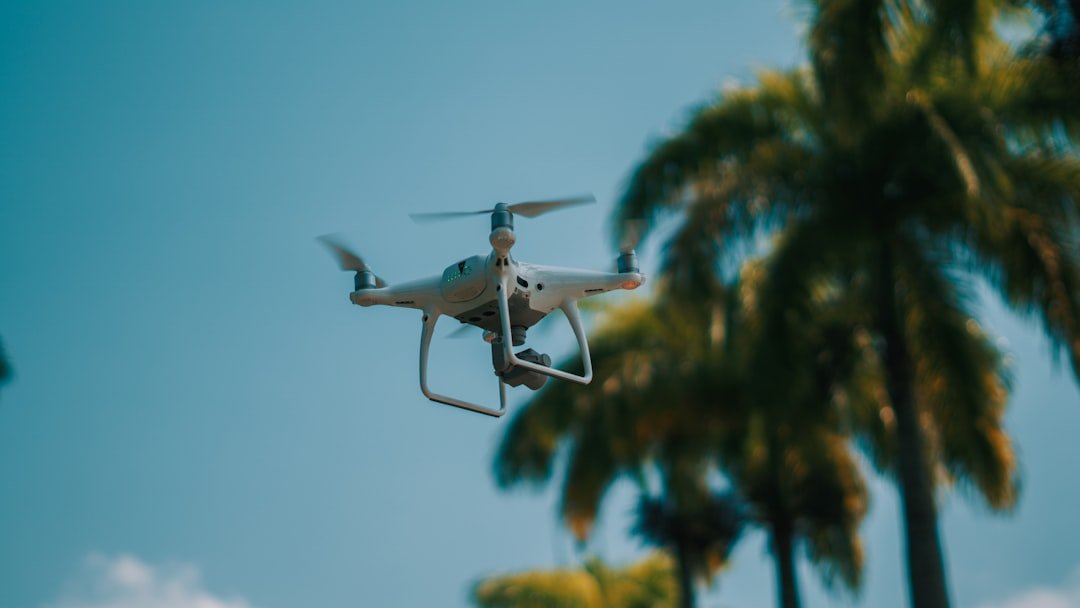
Why Unmanned Aircraft Demand a Different Risk Mindset
Unlike traditional camera equipment where mistakes typically result in compromised imagery, unmanned aerial vehicles operate within a fundamentally different regulatory framework. The moment your aircraft becomes airborne, you transition from hobbyist photographer to aircraft operator—a distinction with serious legal and financial implications.
The regulatory landscape surrounding consumer drones has matured considerably, creating a complex web of compliance requirements that extend far beyond mastering flight mechanics. Violations can trigger substantial fines, equipment confiscation, civil litigation, and permanent restrictions on future operations. For visual creators venturing into aerial cinematography, understanding these boundaries is as essential as mastering exposure settings.
The Legal and Financial Landscape
The consequences of operating outside regulatory parameters bear little resemblance to other photography mishaps. A poorly composed still image represents lost time and resources. A regulatory violation involving an unmanned system can result in penalties exceeding four figures, destruction of expensive equipment, property damage liability, and documented infractions that may follow you throughout your creative career.
What makes aerial platforms particularly unforgiving is that your operational airspace overlaps with commercial aviation, helicopter traffic, and populated areas where safety concerns supersede creative ambitions. Regulatory authorities treat unauthorized flights with appropriate seriousness, and neighbors or concerned citizens have become increasingly vigilant about reporting suspicious aerial activity.
Common Pitfalls for Emerging Operators
New pilots frequently underestimate the importance of airspace research before launching operations. National airspace contains restricted zones, temporary flight restrictions, and altitude limitations that vary dramatically by location. Operating without this foundational knowledge represents the quickest path to regulatory entanglement.
Equipment registration represents another frequently overlooked requirement. Many jurisdictions mandate formal registration before any flight activity, yet numerous operators skip this bureaucratic step, exposing themselves to immediate penalties upon discovery.
Battery management mistakes plague inexperienced pilots, leading to unexpected aircraft loss when power depletes during flight. Similarly, insufficient pre-flight system verification has resulted in catastrophic operational failures midway through shoots.
Insurance considerations often escape new operators’ attention entirely. While regulatory frameworks vary by region, comprehensive coverage protects against property damage liability and third-party injury claims that could prove financially devastating to freelance creators.
The Importance of Proper Preparation
Professional operators invest time in understanding local regulations, obtaining necessary certifications, and maintaining detailed flight logs. This diligent approach transforms aerial imaging from a risky endeavor into a sustainable business practice.
Investment in proper training programs provides more than basic flight proficiency—comprehensive courses cover regulatory compliance, airspace navigation, emergency procedures, and liability management. This knowledge foundation distinguishes serious practitioners from casual hobbyists.
Before capturing any footage, establish clear operational protocols covering equipment inspection routines, weather assessment procedures, and contingency planning. Document everything meticulously, as this record demonstrates your commitment to responsible operation if any questions arise.
Moving Forward Responsibly
The aerial imaging industry continues evolving, with regulations becoming increasingly sophisticated and enforcement more consistent. Photographers and videographers entering this space should approach it with the same professionalism they’d apply to commercial studio operations—because that’s precisely what aerial cinematography has become within the eyes of regulatory agencies worldwide.