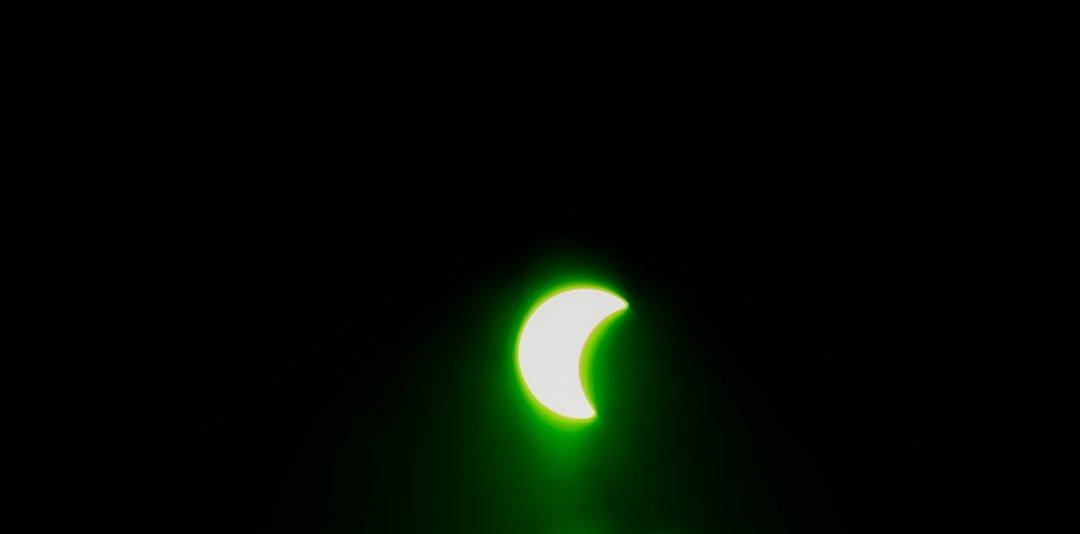
Beyond the Single Frame: My Quest for Dynamic Eclipse Documentation
When the celestial alignment brought a total solar eclipse across northern Spain last August, I made a deliberate creative choice that set my expedition apart from countless other photographers converging on the eclipse corridor. Rather than joining the masses in pursuit of that singular, pristine moment of totality, I committed to documenting the entire astronomical event through time-lapse cinematography—a decision that would teach me invaluable lessons about preparation, equipment limitations, and creative problem-solving.
The allure of capturing eclipse totality in a static frame is understandable. That breathtaking instant when the Moon completely obscures the Sun’s photosphere represents the pinnacle of solar eclipse photography for many imaging professionals. However, I recognized an opportunity to tell a more comprehensive visual narrative—one that would chronicle the gradual progression from first contact through the diamond ring effect, the corona’s ethereal glow, and the dramatic return to daylight.
The Technical Framework Behind the Project
Time-lapse photography demands meticulous planning regarding interval timing, frame rate calculations, and total capture duration. The eclipse’s progression occurs gradually during the partial phases, then accelerates dramatically during totality, necessitating adaptive interval strategies. This dynamic timeline required pre-production calculations to determine optimal frame capture intervals that would translate into fluid motion when played at standard projection speeds.
The equipment considerations proved more complex than anticipated. Beyond selecting appropriate solar filters for the partial phases and determining proper exposure values for capturing the corona during totality, I needed to account for equipment that could reliably execute hundreds of sequential captures without mechanical failure or sensor degradation.
Lessons from the Spanish Observatory
Positioning myself in northern Spain offered excellent viewing prospects, yet the location presented unforeseen challenges. Weather variability in that region during August introduced atmospheric variables I hadn’t fully anticipated. Cloud formations threatened to compromise captures during critical phases, requiring contingency positioning strategies.
Battery performance emerged as an unexpected complication. The extended shooting sequence, combined with variable ambient temperatures throughout the eclipse progression, affected power delivery more significantly than my preliminary testing suggested. This experience reinforced the importance of redundant power systems and conservative battery calculations during mission planning.
Perspective on the Eclipse Documentation Community
Reflecting on my approach versus conventional eclipse documentation strategies revealed that specialized projects demand unconventional preparation methodologies. While the majority of photographers rightfully focus on capturing the totality’s majesty in isolation, pursuing alternative narrative structures requires distinct technical expertise and contingency frameworks.
My Spanish eclipse expedition, despite its complications and operational constraints, demonstrated that ambitious creative visions remain achievable with thorough preparation, equipment redundancy, and adaptive problem-solving. The resulting time-lapse sequence succeeded in visualizing the eclipse’s dynamic character—a perspective that static imagery, however stunning, cannot fully convey.
For photographers considering similar documentary approaches to astronomical events, my journey underscores one central principle: thoroughly question every assumption during pre-production planning, because the eclipse won’t wait for equipment corrections.