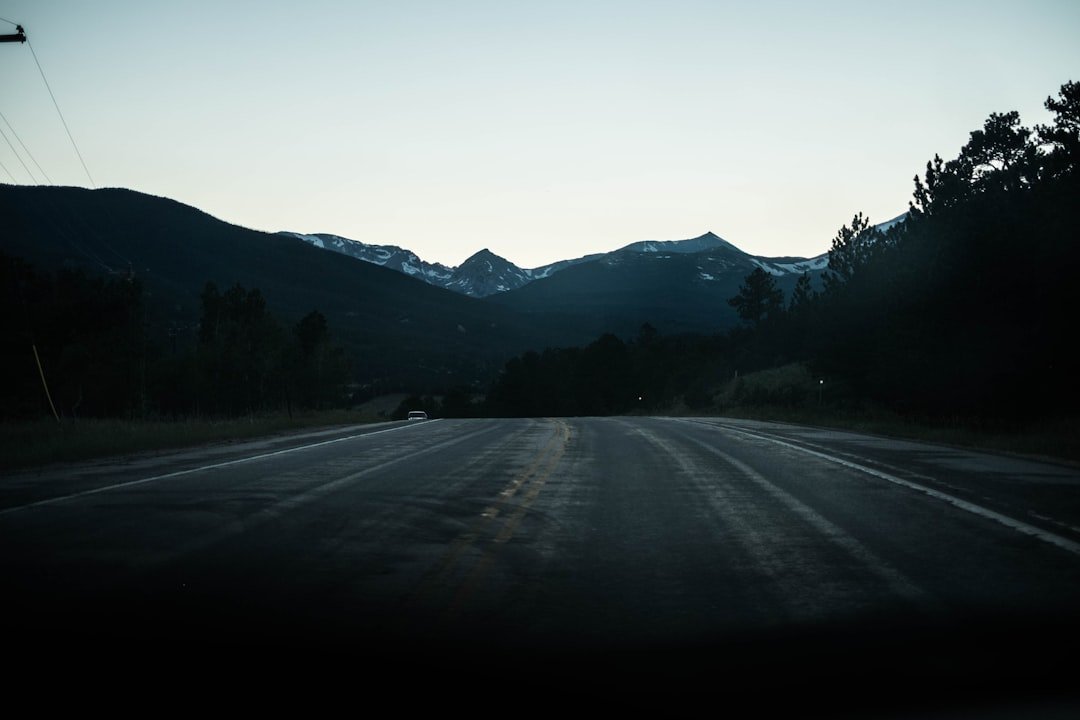
Unexpected Beginnings: When Disasters Become Opportunities
Sometimes the most memorable photographic expeditions begin with circumstances beyond our control. What started as a straightforward cross-country expedition nearly ended before it began when a brush fire erupted mere minutes from the Los Angeles metropolitan area. Rather than abandoning the project, this natural obstacle transformed into the opening sequence of an extraordinary three-thousand-mile photographic odyssey that would fundamentally reshape the creator’s understanding of mobile shooting practices.
The Power of Adaptive Thinking in Field Photography
The initial crisis set an important precedent for the entire journey ahead. In professional photography, particularly when working on location-based projects, adaptability becomes as essential as the equipment itself. The wildfire served as a powerful reminder that photographers operating outside controlled studio environments must remain flexible, decisive, and creative when unexpected variables emerge.
This particular incident established the narrative foundation for everything that would unfold across subsequent miles and months. Rather than representing a setback, it functioned as a prologue—establishing that this journey would prioritize authentic, unscripted moments over meticulously planned compositions.
Mobile Photography: Technical and Creative Considerations
Undertaking substantial road-based photographic projects introduces unique operational challenges that stationary photographers rarely encounter. Equipment must be protected during transportation, workflow processes need adaptation for limited studio access, and the photographer’s physical and mental stamina becomes a critical variable. Film shooters face additional considerations regarding storage conditions, processing logistics, and maintaining consistent exposure standards across varying lighting environments.
Extended road assignments also demand strategic thinking about resource management. Film stock must be rationed intelligently, batteries require reliable charging solutions, and contingency plans prove invaluable when unexpected situations arise—as the opening fire clearly demonstrated.
What Three Thousand Miles Revealed
Such ambitious photographic expeditions typically generate insights that extend far beyond the immediate visual documentation. The extended timeframe allows photographers to develop deeper technical understanding, discover personal creative preferences, and identify working methodologies that function optimally during demanding conditions.
For film photographers specifically, extended journeys provide opportunities to evaluate how different emulsion stocks perform across diverse climatic zones, lighting situations, and subject matter. The accumulated experience of shooting thousands of exposures across varied American landscapes offers invaluable data about film stock characteristics, camera reliability, and personal aesthetic development.
Narrative Through Continuity
The most compelling photographic projects often feature thematic coherence developed through sustained engagement with a subject or location. A multi-thousand-mile journey, initiated by natural disaster and continuing through countless diverse environments, inherently creates a powerful visual narrative about resilience, adaptability, and the photographer’s evolving relationship with their craft and surroundings.
This particular expedition demonstrates how challenging circumstances can paradoxically strengthen creative projects. The wildfire that nearly derailed everything instead became the symbolic opening chapter—a reminder that meaningful photography frequently emerges from unexpected places and difficult moments, not from perfectly orchestrated scenarios.