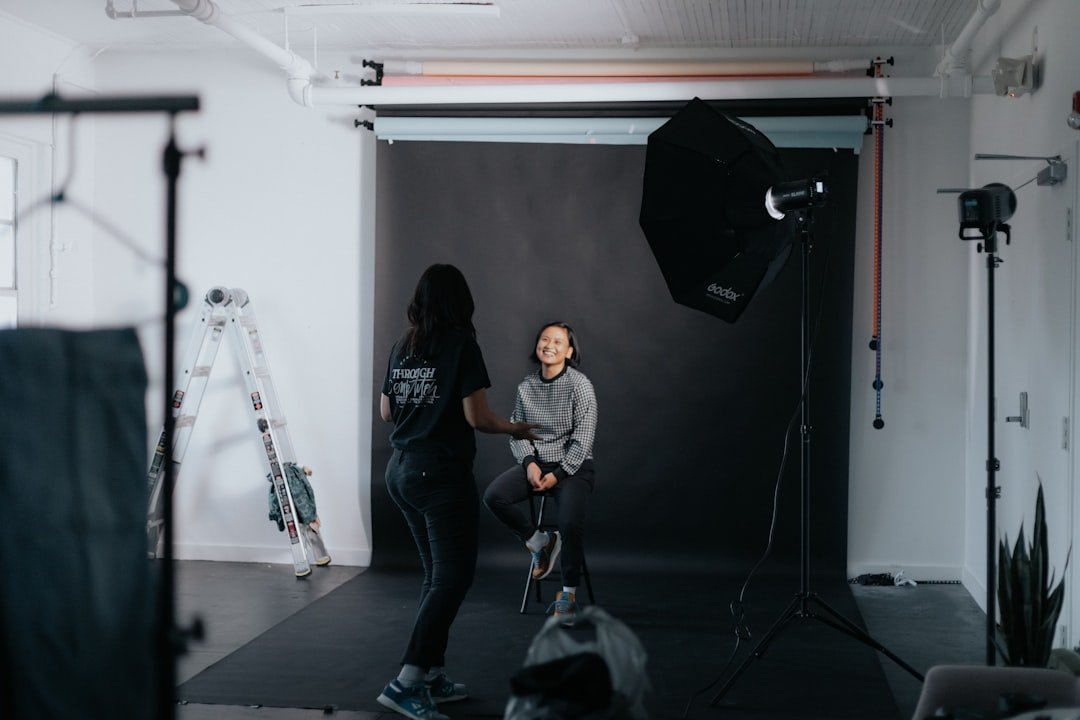
Understanding the Lighting Divide
When photographers debate the merits of flash photography against continuous lighting setups, the conversation rarely yields a straightforward winner. The reality is far more nuanced than most practitioners realize. Depending on your specific assignment requirements, creative vision, and technical constraints, both approaches can deliver virtually indistinguishable final results. However, the operational differences between these two methodologies significantly influence your creative process, exposure calculations, and spatial requirements on set.
The Technical Intersection
At their core, both flash and continuous light sources accomplish the same fundamental goal: illuminating your subject. A skilled portraitist can achieve remarkably similar aesthetic outcomes using either approach. The distinctions emerge not in the final image quality alone, but rather in how you strategize your shoot and navigate the technical challenges inherent to each system.
Operational Workflow Differences
The choice between these lighting paradigms reshapes your entire approach to portrait creation. Continuous lighting offers photographers the advantage of real-time preview capability. What you observe through your viewfinder directly reflects how the final exposure will render. This WYSIWYG workflow eliminates guesswork regarding light placement, shadow characteristics, and overall luminous balance. You can adjust your positioning and modifier placement with immediate visual feedback.
Flash-based portraiture requires a different mindset. Since the light output occurs only during the exposure moment, photographers must mentally visualize the final result during setup. Many professionals rely on test shots to confirm their lighting design. This demands greater experience and intuitive understanding of how light behaves.
Metering and Exposure Considerations
Exposure calculation diverges substantially between these methodologies. Continuous light sources demand traditional ambient light metering techniques, allowing you to use your camera’s built-in meter with high reliability. You can dial in your exposure settings before engaging your subject, then maintain consistency throughout the session.
Flash systems introduce additional complexity through the synchronization between your camera’s shutter speed and the flash’s output duration. Understanding flash exposure requires knowledge of guide numbers, flash power settings, and the relationship between ambient light and artificial illumination. Many photographers embrace this challenge for the creative control it provides.
Space and Logistics
Physical space requirements represent another critical divergence. Continuous lighting rigs typically demand more square footage due to heat dissipation concerns and the distance needed to achieve proper light falloff. Professional continuous light setups generate substantial thermal output, necessitating adequate ventilation and subject comfort considerations.
Flash units occupy minimal footprint and generate negligible heat, making them ideal for compact shooting environments or location work where space constraints exist. This portability advantage has made flash systems the standard for event photographers and those frequently working on location.
Practical Outcomes
Neither approach inherently produces superior portraits. Choosing between them requires honest assessment of your working environment, personal technical proficiency, and creative preferences. Many accomplished portrait specialists maintain both systems, deploying whichever better serves the project at hand. The optimal choice ultimately depends on understanding how each technology integrates with your specific shooting style and professional requirements.