Beyond the Conventional Choice: Reconsidering Focal Length Selection
When confronted with an impossible scenario—retaining only a single lens for street photography indefinitely—most experienced practitioners gravitate toward the 35mm focal length. This preference isn’t without merit; the moderate wide-angle perspective offers remarkable versatility and accommodates diverse compositional approaches across virtually any urban environment.
However, an increasingly compelling argument emerges when examining the optical and aesthetic properties of 28mm optics. Rather than focusing on technical metrics such as resolution or contrast, the real distinction lies in how each focal length captures authentic human experience on city streets.
Understanding Optical Perspective and Visual Truth
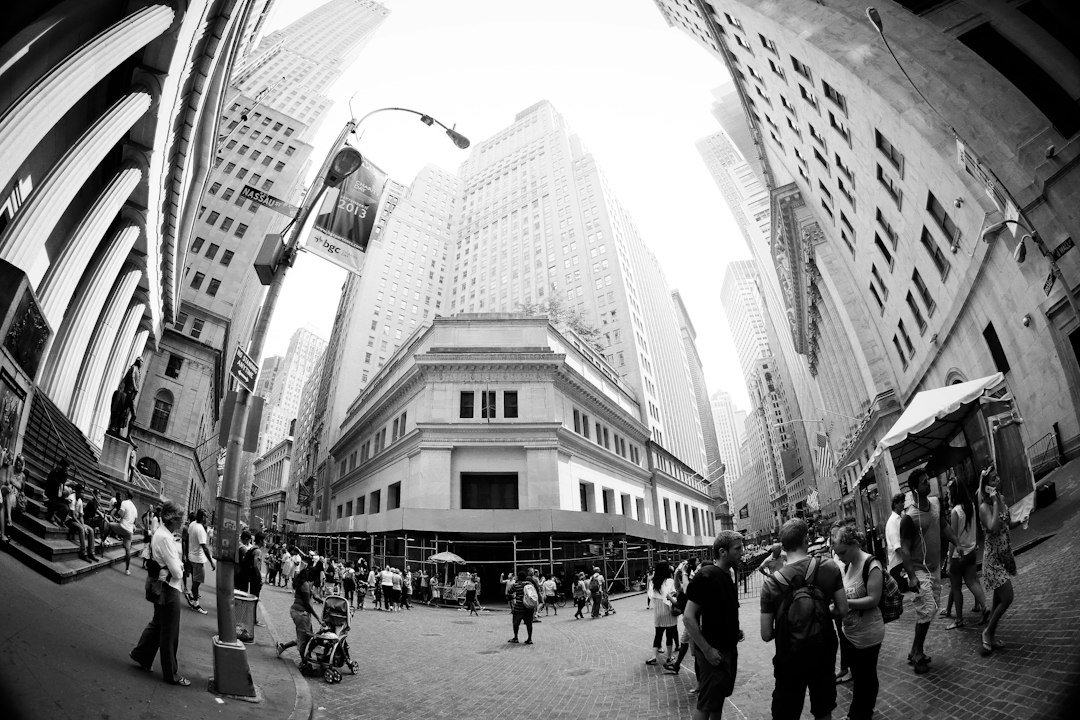
The 28mm lens occupies a fascinating space within the wide-angle spectrum. It captures substantially more environmental context than its 35mm counterpart without venturing into the dramatic distortion territories associated with ultra-wide formats. This expanded field of view fundamentally alters how scenes are documented and interpreted.
Street photography hinges upon authenticity—the photographer’s responsibility to represent subjects and situations with integrity. The 28mm focal length inherently includes greater spatial relationships between foreground subjects and their surrounding context. This contextual richness prevents the selective framing that can inadvertently mislead viewers about actual spatial dynamics and environmental conditions.
Compositional Possibilities and Environmental Integration
Working with 28mm demands that photographers engage more thoughtfully with their environment. The expanded angle of view requires practitioners to move closer to subjects while still maintaining meaningful background information. This proximity cultivates greater intentionality in compositional decisions and deeper engagement with developing scenes.
The 35mm lens permits a certain compositional comfort—its moderate perspective allows shooters to maintain distance while still capturing reasonably comprehensive scenes. Conversely, 28mm practitioners must navigate spatial relationships with greater precision, resulting in more deliberate and typically more compelling visual narratives.
The Relationship Between Lens Choice and Aesthetic Vision
Selecting 28mm as a permanent focal length establishes a distinct photographic language. Rather than compromising between multiple perspectives, photographers develop specialized visual literacy specific to this format. This limitation paradoxically enhances creative expression by establishing clear boundaries within which innovation flourishes.
The wider perspective reveals spatial relationships that narrower focal lengths obscure. Urban geometry, crowd dynamics, and environmental details emerge with greater clarity and interconnection. This comprehensive visual documentation approaches documentary photography at its most honest—presenting scenes with minimal editorial intervention regarding what viewers should prioritize within the frame.
Practical Considerations for Street Practitioners
Modern 28mm lens options span considerable quality ranges and price points, making this focal length accessible across various budgetary constraints. Contemporary optical designs deliver exceptional sharpness and minimal distortion, eliminating previous concerns about optical compromises associated with wider perspectives.
For photographers committed to developing a cohesive visual voice and capturing environmental authenticity, the 28mm focal length merits serious consideration. It challenges practitioners to refine positioning and timing while delivering more comprehensive visual documentation of street life.
The choice ultimately reflects philosophical approach to documentary work—whether capturing reality as objectively as possible through expanded environmental context, or curating scenes through selective framing. For those prioritizing authenticity and comprehensive scene documentation, 28mm emerges as the superior long-term commitment.