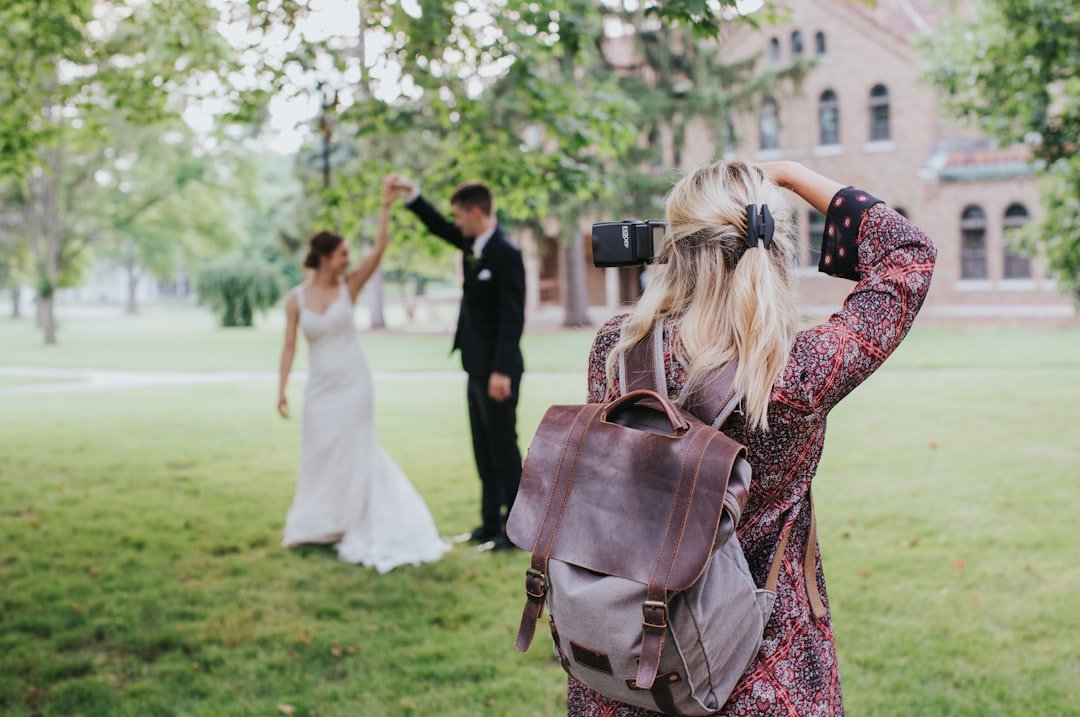
Building Confidence Through Systematic Posing Strategies
Wedding photographers face a unique challenge that separates seasoned professionals from newcomers: the moment when the couple positions themselves before the lens and waits expectantly. This critical juncture determines whether your shooting day maintains its momentum or derails into awkward pauses and uncertain guidance. The difference lies in preparation and having a structured approach readily available when creative inspiration momentarily falters.
Even the most meticulously planned photographers encounter mental blocks on location. Those hours scrolling through inspirational galleries the evening before can evaporate instantly once you’re facing genuine subjects with real emotions and genuine anxiety. When this happens—and it will—having a dependable framework becomes invaluable.
Why a Posing System Matters
Professional wedding photographers understand that couples often feel uncomfortable in front of the camera. They’re emotionally exposed, physically tired, and acutely aware that every moment is being documented permanently. Your role extends beyond technical execution; you’re a director, reassurance provider, and creative guide simultaneously.
A repeatable posing methodology accomplishes several objectives simultaneously. It establishes visual consistency across your portfolio, instills confidence in anxious subjects, and ensures efficient time management throughout the event. Rather than improvising each shot, you’re operating from a tested system that produces reliable results.
The Three-to-Five Framework Advantage
The optimal approach involves mastering between three and five core posing variations that work universally across different body types, couple dynamics, and venue constraints. This isn’t about limiting creativity—it’s about establishing a foundation from which confident variations emerge naturally.
Each core pose should address fundamental positioning principles: weight distribution, angular body placement, connection points between subjects, and facial direction relative to your camera position. When you internalize these fundamental variations, you can adapt and modify them instantly based on what you observe in your viewfinder.
Practical Implementation on Wedding Days
The real value emerges during those high-pressure moments when timing matters. Nervous couples require immediate, clear direction. Rather than hesitating while mentally cycling through possibilities, you can confidently position them using your established system, capture multiple variations, and maintain shooting momentum.
This systematic approach also elevates client communication. Clear, confident posing directions reduce anxiety and help couples feel guided rather than uncertain. They appreciate working with a professional who demonstrates expertise through decisive direction.
Building Your Personal System
Developing your signature posing framework requires intentional practice and refinement. Study your own portfolio to identify patterns in your most successful images. What positioning strategies consistently produce strong reactions from clients? Which angles flatter various body types? Document these observations and formalize them into repeatable structures.
Consider environmental factors when establishing your system. How does your framework adapt to tight spaces, outdoor conditions, or elaborate gown considerations? The strongest systems remain flexible enough to accommodate real-world variables while maintaining core principles.
By establishing a reliable posing methodology, you transform that moment of mental blankness from a liability into an opportunity. You’ll project professionalism, guide couples confidently, and consistently produce portfolio-quality imagery throughout even the longest wedding day.