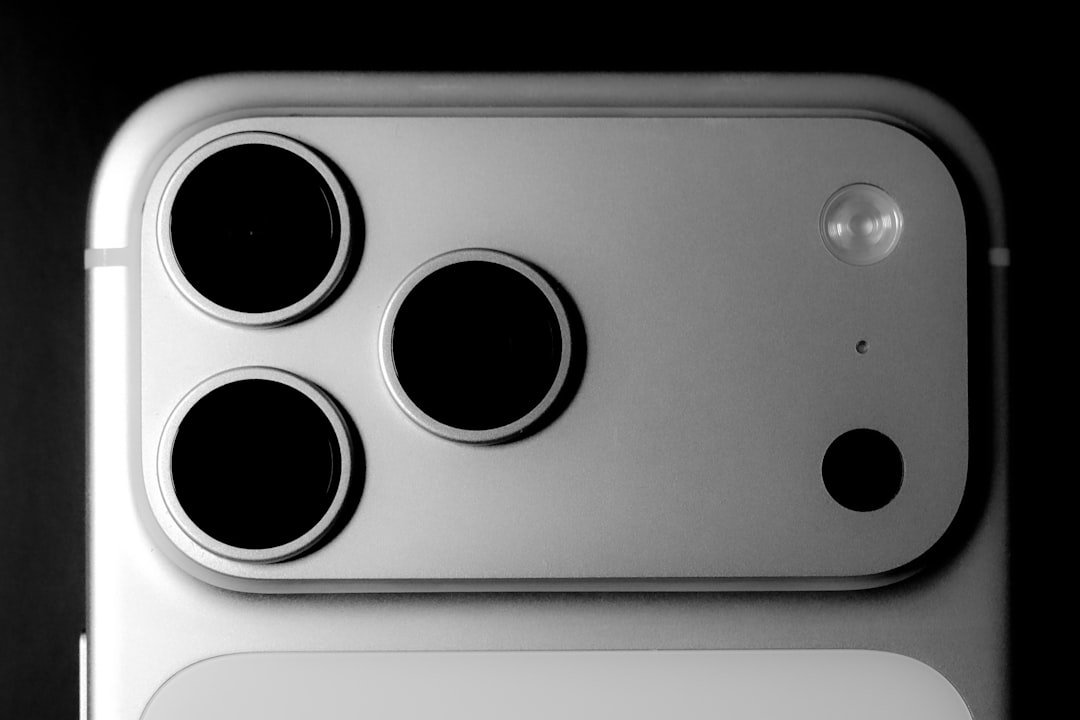
Apple’s latest flagship smartphone introduction brought an unexpected hardware innovation to the forefront: a mechanically adjustable aperture system integrated into the primary camera module. While this technological addition immediately captured headlines across consumer tech outlets, the announcement left many seasoned imaging professionals scratching their heads.
With two decades of professional photography experience, I found myself questioning the practical necessity of such a feature during the product presentation. The reasoning seemed counterintuitive for mobile imaging, prompting a deeper investigation into Apple’s engineering decisions and the broader implications for computational photography.
Beyond the Surface-Level Analysis
The photography community’s initial reaction centered on the most obvious interpretation: direct parallels to traditional optical depth-of-field control found in dedicated camera systems. However, this explanation only tells part of the story. After extensive research into Apple’s optical engineering patents and industry trends, a more nuanced picture emerges regarding the true motivations behind this hardware evolution.
Most online commentary gravitated toward the straightforward narrative that variable apertures simply replicate professional camera functionality on mobile devices. While technically accurate on the surface, this perspective overlooks the sophisticated algorithmic and hardware integration challenges that drive modern smartphone camera design.
The Computational Photography Connection
Contemporary mobile imaging relies heavily on computational processes working alongside optical hardware. The addition of mechanical aperture adjustment fundamentally alters how processors handle exposure metering, dynamic range optimization, and sensor signal processing. Rather than functioning as a nostalgic nod to traditional photography, this implementation appears strategically positioned to enhance the interplay between hardware capture and software post-processing.
Advanced night mode photography, high-resolution image fusion, and real-time video stabilization all benefit from more granular control over light gathering capabilities. The variable aperture system enables the imaging processor to make dynamic decisions about light capture in real-time, adapting to scene conditions with unprecedented precision.
Manufacturing and Optical Considerations
From an engineering perspective, implementing adjustable apertures in compact mobile form factors presents extraordinary technical hurdles. The precision required to maintain optical quality while mechanically adjusting aperture blades demonstrates significant manufacturing advancement. This capability likely required years of development and represents a meaningful leap in mobile optics engineering.
The decision to incorporate this technology suggests Apple’s confidence in both the technical implementation and the consumer demand for enhanced imaging performance. This commitment to hardware innovation signals a broader philosophy emphasizing tangible optical improvements rather than relying exclusively on software processing.
Looking Forward in Mobile Imaging
Understanding Apple’s reasoning requires moving beyond conventional smartphone camera thinking. The variable aperture system functions as a bridge between traditional photographic principles and next-generation computational imaging. By providing the imaging system with greater flexibility in light capture strategies, Apple has created opportunities for more sophisticated algorithm development and enhanced real-world image quality across diverse lighting conditions.
The introduction of mechanically variable apertures in flagship smartphones likely represents a turning point in how the industry approaches mobile imaging hardware. Rather than viewing this as merely replicating DSLR functionality, we should recognize it as a distinctly mobile-first solution optimized for the unique constraints and possibilities of smartphone photography in the contemporary computational era.