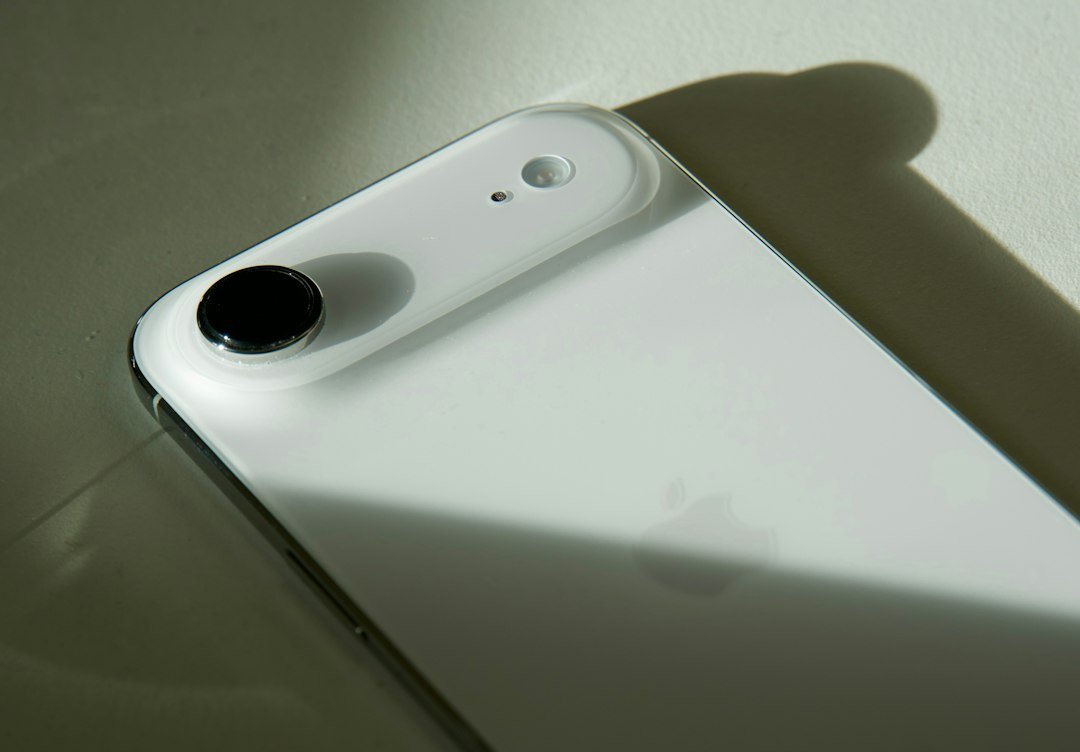
Putting Apple’s Latest Optical Innovation Through Rigorous Scrutiny
Following Apple’s recent product unveiling, considerable attention has focused on the iPhone 18 Pro’s groundbreaking variable aperture system. This advancement represents a significant shift in smartphone optical engineering, prompting hands-on evaluation to determine whether the technology delivers on its considerable promise.
To assess the genuine performance characteristics of this new lens architecture, I conducted a comprehensive side-by-side comparison utilizing both the current iPhone 18 Pro and its predecessor, the iPhone 17 Pro. The testing methodology involved capturing identical subject matter across multiple environmental conditions—both controlled indoor settings and natural outdoor lighting scenarios. Each available aperture setting on the newer device received systematic documentation and analysis.
Methodology and Analysis Approach
The captured image data underwent detailed post-processing evaluation within Adobe’s Lightroom platform, with pixel-level examination conducted at 400 percent magnification. This level of scrutiny allowed for precise assessment of how the variable aperture mechanism influences depth of field characteristics, light transmission efficiency, and overall optical rendering across the full range of available f-stops.
Before commencing this practical evaluation, preliminary predictions regarding the lens’s optical behavior were formulated based on architectural specifications and theoretical performance modeling. These forecasts, presented in video documentation preceding the testing phase, provided a framework against which actual real-world results could be measured and compared.
Surprising Findings in the Data
The outcomes revealed a mixed picture of technological achievement. Several theoretical predictions regarding optical performance proved accurate when examined against the empirical data. The lens demonstrated expected behavior in specific lighting conditions and at particular aperture values, validating Apple’s engineering choices in those applications.
Conversely, numerous aspects of the actual performance diverged meaningfully from initial projections. These discrepancies highlight the complex relationship between theoretical optical design and practical real-world image capture. Environmental variables, sensor interactions, and computational photography processing all introduce nuances that mathematical models sometimes fail to fully predict.
Understanding the Implications
For photography professionals considering the iPhone 18 Pro as a supplementary capture device or primary tool, these findings carry particular relevance. The variable aperture mechanism offers genuine creative control previously unavailable in smartphone photography, though its performance characteristics warrant understanding beyond marketing claims.
The technology’s ability to modulate light gathering and depth-of-field control represents meaningful advancement in mobile computational imaging. However, realistic expectations regarding specific use cases and aperture settings prove essential for optimizing results in production environments.
This practical evaluation underscores the importance of empirical testing in photography technology assessment. Manufacturer specifications and theoretical performance models provide valuable frameworks, yet genuine understanding emerges only through systematic documentation and detailed analysis of actual image data across diverse shooting scenarios.