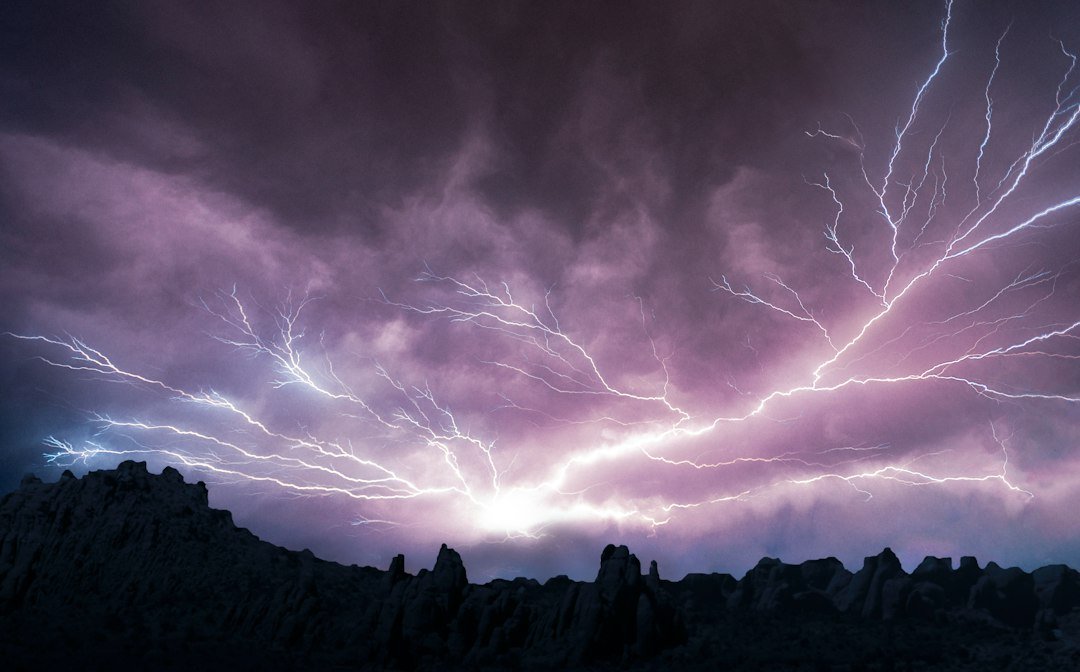
A Moment Frozen in Time: The Dual Tragedy of Nature’s Fury
In a haunting convergence of circumstance, a skilled photographer managed to capture a striking image of lightning making contact with a mountainside during an intense atmospheric disturbance—a technical achievement in storm photography that would typically represent a career highlight. However, the significance of this remarkable shot was immediately overshadowed by tragic news emerging from the same meteorological event: a 19-year-old hiker had lost their life in the dangerous conditions.
The photographer, working to document the raw power of severe weather, was unaware in the moments following their successful image capture that the same tempestuous system responsible for the dramatic electrical discharge had turned deadly nearby. This sobering reality underscores the unpredictable and perilous nature of pursuing outdoor photography in extreme conditions.
The Challenges of Storm Photography
Capturing lightning strikes represents one of the most technically demanding pursuits in contemporary outdoor photography. Photographers attempting to document electrical discharges must navigate numerous variables: precise timing, appropriate shutter speeds, adequate aperture settings, and strategic positioning. The window of opportunity for a clean strike photograph is remarkably narrow, requiring either exceptional timing reflexes or extended shooting sessions with rapid-fire burst modes.
Professional storm chasers and weather photographers employ specialized equipment including weather-sealed camera bodies, fast lenses, and remote triggers to maximize their chances of success while maintaining some margin of safety. Yet even with these precautions, the inherent risks remain substantial.
A Stark Reminder of Nature’s Dangers
While this particular image serves as a remarkable technical achievement within the photography community, the broader context of this incident carries significant weight. The fatality among hikers during the same weather event emphasizes how quickly atmospheric conditions can transition from photogenic to catastrophic. Lightning-related incidents claim lives annually, and mountainous terrain compounds these risks considerably.
For outdoor enthusiasts and photographers alike, this tragic occurrence provides an important cautionary lesson about respecting severe weather patterns. Professional meteorologists consistently advise seeking shelter at the first indication of approaching thunderstorms, particularly in elevated or exposed locations where atmospheric electricity poses an elevated threat.
Professional Responsibility in Weather Photography
The photography community has increasingly emphasized responsible practices when pursuing dramatic weather imagery. Organizations dedicated to storm documentation have developed comprehensive safety protocols designed to protect both practitioners and the public. These guidelines stress the importance of monitoring weather forecasts, maintaining safe distances from hazardous conditions, and prioritizing personal safety over obtaining images.
The image captured during this fateful storm will likely circulate within photography circles as a technically proficient example of lightning photography. Yet for many observers, the accompanying narrative will serve as a powerful reminder that behind every compelling nature photograph lies the immense power and unpredictability of our planet’s atmospheric systems.
As the photography community reflects on this incident, conversations about balancing artistic ambition with personal safety responsibility will undoubtedly intensify, reinforcing the importance of informed decision-making when documenting nature’s most violent manifestations.