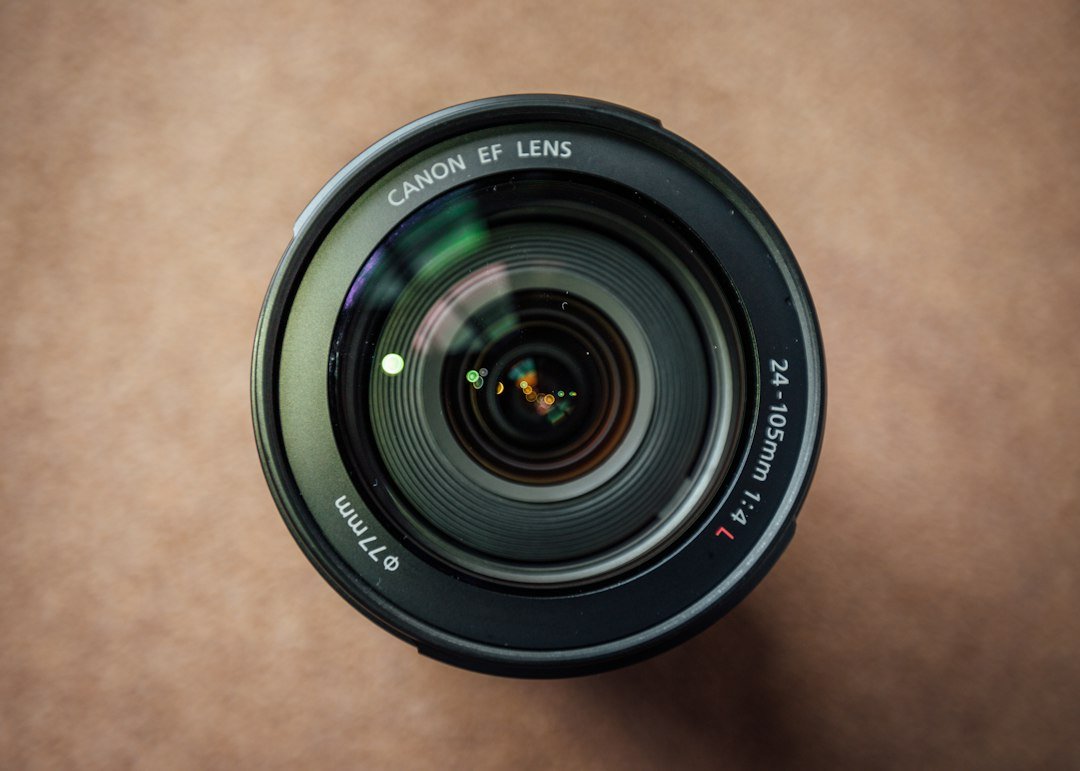
Weighing Performance Against Practicality in Zoom Lens Selection
When building a professional lens collection, photographers frequently encounter a pivotal decision: investing in a constant f/2.8 zoom or opting for the more economical f/4 alternative. This choice extends far beyond mere aperture specifications, encompassing considerations of cost, portability, and real-world shooting capabilities that can significantly impact your workflow and bottom line.
The financial disparity between these two categories can be substantial. Manufacturers typically price faster zooms at a considerable premium—often several hundred dollars higher—compared to their slower-aperture counterparts covering identical focal lengths. This premium reflects the optical engineering required to maintain consistent light transmission across the zoom range, precision glass elements, and advanced coatings that deliver superior performance in demanding conditions.
The Weight and Mobility Factor
Beyond the purchase price, photographers must contend with the physical burden that faster glass demands. An f/2.8 zoom invariably weighs noticeably more than its f/4 sibling, translating into increased fatigue during extended shooting sessions, particularly for on-location work where you’re carrying multiple lenses. The larger physical footprint also consumes additional bag space—a consideration that becomes increasingly important when traveling or working in confined environments where mobility matters.
Making an incorrect decision in either direction frequently results in buyer’s remorse and additional expenditures. Professionals who underestimate their need for faster apertures may discover that an f/4 zoom proves insufficient for their low-light assignments, necessitating a supplementary purchase. Conversely, those who overspend on professional-grade f/2.8 glass often find their investment gathering dust at home, too heavy or cumbersome for everyday assignments that don’t justify the extra weight.
Assessing Your Actual Requirements
The path forward requires honest self-evaluation of your typical working conditions. Photographers regularly shooting in studios, controlled lighting environments, or daylight-dependent scenarios may discover that f/4 apertures deliver entirely adequate performance while significantly reducing equipment burden. However, professionals tackling event photography, journalism, or documentary work in variable lighting situations typically benefit from the additional light-gathering capability and shallow depth-of-field control that f/2.8 systems provide.
Consider your shooting patterns over the past year. Do your assignments consistently demand fast glass, or do these situations represent occasional exceptions? This inventory often reveals patterns that clarify whether the investment justifies the accompanying compromises.
The Middle Ground Approach
Seasoned photographers frequently adopt hybrid strategies—combining one premium f/2.8 zoom with complementary f/4 options tailored to specific situations. This approach balances professional capabilities with practical limitations, allowing flexibility without the burden of constantly transporting unnecessary weight.
Ultimately, the decision demands aligning optical capabilities with genuine workflow requirements, budget constraints, and physical comfort considerations. Rather than pursuing the latest premium option, prioritize lenses that align with how you actually work—not how you imagine working. This pragmatic approach typically yields greater satisfaction and more efficient equipment utilization throughout your professional career.