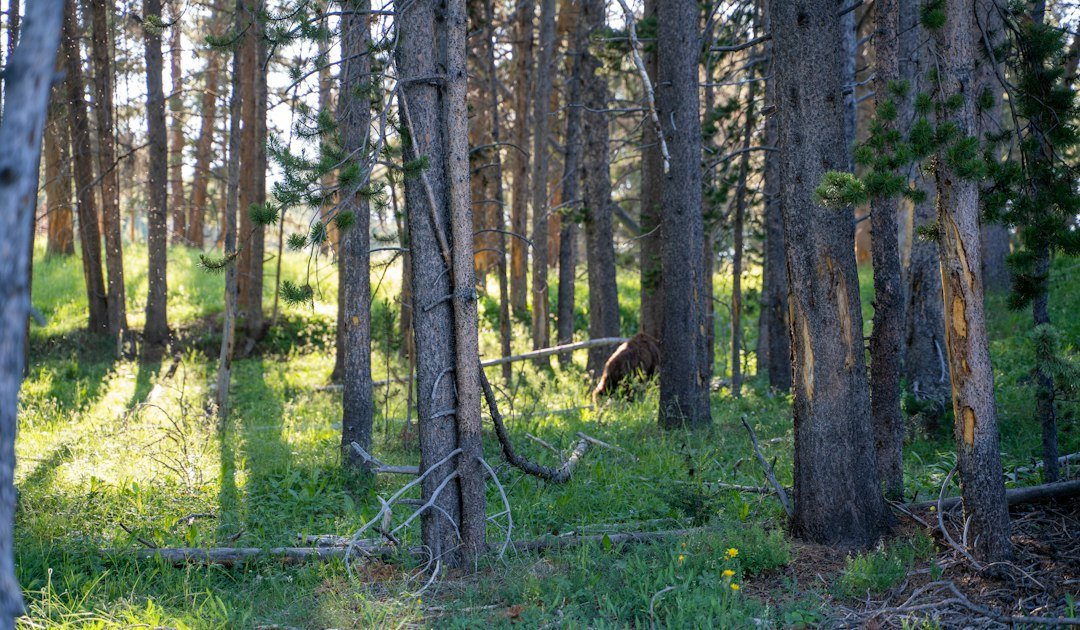
Unexpected Danger in Yellowstone: When Nature Interrupts a Shoot
A visiting photographer experienced a harrowing encounter while working in one of America’s most iconic natural landscapes. During a routine equipment adjustment at Yellowstone National Park, the creative professional found himself in an extraordinary struggle for survival involving a large mountain lion weighing approximately 70 pounds.
The incident occurred when the photographer made a seemingly routine decision—pulling off to swap camera lenses during an active shooting session. This common practice among professionals, necessary for capturing diverse focal lengths and compositions, proved fateful on this particular day. What began as a standard lens changeover quickly escalated into a dangerous confrontation with aggressive wildlife.
The Encounter
The mountain lion, displaying territorial or predatory behavior, launched an attack that quickly overwhelmed the photographer. The feline predator managed to pin its human adversary to the ground, creating an extremely perilous situation. Faced with an apex predator’s assault, the photographer was forced to engage in hand-to-hand combat—a desperate measure taken for self-preservation.
This incident underscores the inherent risks professional photographers face when pursuing imagery in remote wilderness areas. While Yellowstone National Park offers unparalleled opportunities for capturing stunning wildlife and landscape photography, it remains an active habitat for dangerous animals. Cougars, also known as mountain lions or pumas, are elusive predators that typically avoid human contact, making such confrontations extraordinarily rare.
Wildlife Photography and Risk Management
For photography professionals working in natural environments, situational awareness and safety protocols are paramount considerations. Industry best practices recommend maintaining proper distance from wildlife, working with guides in unfamiliar territories, and remaining vigilant during equipment changes when attention may be divided.
The incident serves as a sobering reminder that the pursuit of compelling imagery must always be balanced against personal safety. Photographers venturing into bear country or mountain lion habitat should consider carrying protective equipment, traveling in groups, and understanding the behavioral patterns of local fauna.
National park regulations exist specifically to protect both visitors and wildlife populations. Yellowstone, in particular, maintains strict guidelines regarding distance from animals and backcountry travel protocols. Professional photographers operating in such environments benefit from comprehensive knowledge of these regulations and wildlife behavior patterns.
Aftermath and Implications
This encounter raises important questions about risk assessment in adventure and wildlife photography. While the allure of capturing pristine imagery in untamed landscapes remains strong, the potential consequences demand serious consideration from any photographer planning expeditions into remote areas.
The experience highlights why many professionals now incorporate safety training, emergency preparedness, and wildlife awareness into their skill sets. Whether documenting landscapes, wildlife, or outdoor activities, photographers working in wilderness settings must approach their craft with both passion and pragmatism regarding personal security.