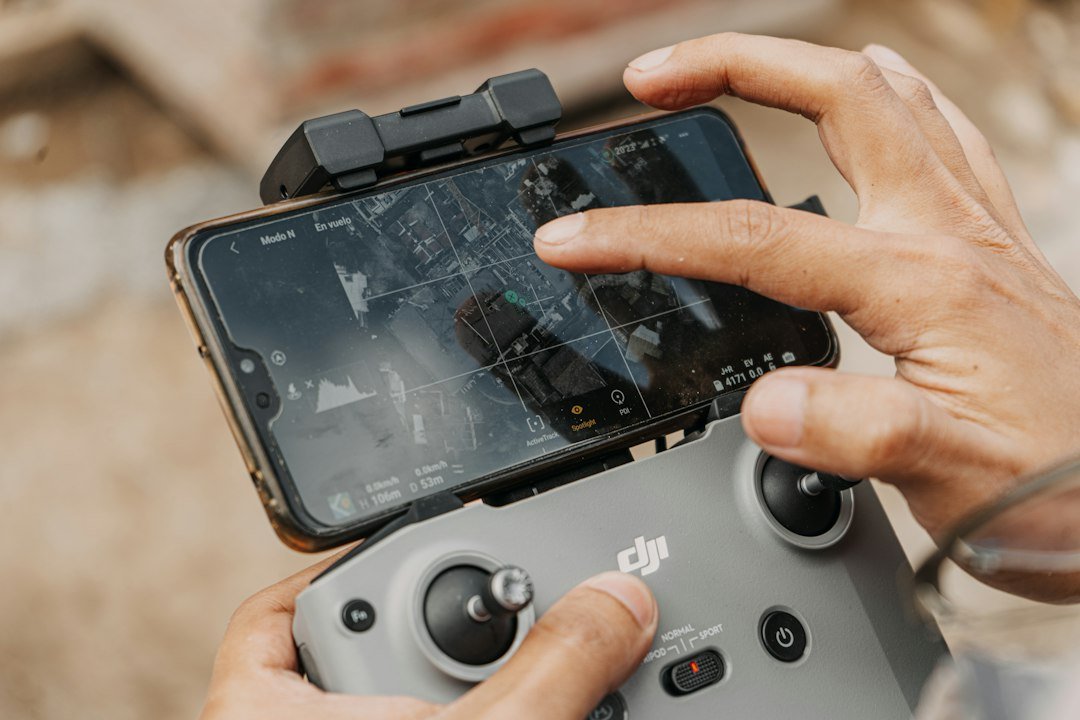
Chinese Manufacturer Reshapes Global Camera Landscape
Recent market analysis from IDC reveals a significant shift in the portable imaging sector, where Chinese technology firm DJI has established commanding market share that exceeds the combined output of Japan’s established camera manufacturers. This development underscores the dramatic transformation occurring within consumer imaging hardware.
The segment under examination encompasses handheld stabilized imaging devices and action-oriented cameras—categories that have experienced explosive growth over the past decade. These specialized devices have carved out substantial market territory distinct from traditional DSLR and mirrorless camera categories, attracting both professional content creators and casual enthusiasts seeking portable, user-friendly solutions.
Market Expansion and Category Growth
The handheld gimbal and action camera market has matured into a segment that now dwarfs conventional camera markets in terms of unit volume and revenue potential. This expansion reflects broader consumer preferences toward compact, versatile imaging tools that integrate advanced stabilization technology with intuitive operation. The accessibility of these devices has democratized quality video capture, enabling creators at all skill levels to produce professional-grade footage.
DJI’s commanding position within this space demonstrates the company’s strategic focus on innovation and consumer-centric design. By dominating gimbal stabilization technology and action camera development, the manufacturer has effectively positioned itself as the category standard-bearer, establishing ecosystem advantages that competitors find difficult to replicate.
Implications for Traditional Camera Makers
The data raises important questions about product strategy and market positioning among Japanese manufacturers historically dominant in imaging technology. Canon, Nikon, Sony, and Fujifilm have maintained strong positions in professional and enthusiast segments, yet the rapid expansion of gimbal and action camera categories reveals evolving consumer priorities that traditional players have been slower to address comprehensively.
This market dynamic represents not necessarily a decline in traditional camera categories, but rather a significant reallocation of consumer spending toward specialized imaging tools optimized for specific applications. Smartphone integration, cloud connectivity, and real-time content distribution capabilities have become increasingly important differentiators, areas where DJI has invested substantially.
Looking Forward
The IDC findings illuminate broader trends within the imaging technology landscape. As portable gimbal systems and action cameras continue attracting mainstream consumers, the total addressable market for imaging devices expands beyond traditional photography categories. DJI’s market leadership demonstrates how companies that identify and capitalize on emerging category opportunities can rapidly establish dominant positions.
For photographers and videographers evaluating equipment purchases, this competitive landscape offers advantages through increased innovation and diverse product options. The rivalry between DJI and established Japanese manufacturers promises continued technological advancement benefiting end users across amateur and professional segments.
Industry observers will monitor how traditional camera manufacturers respond to this competitive challenge, whether through new product categories, strategic partnerships, or repositioning existing technologies toward portable imaging applications.