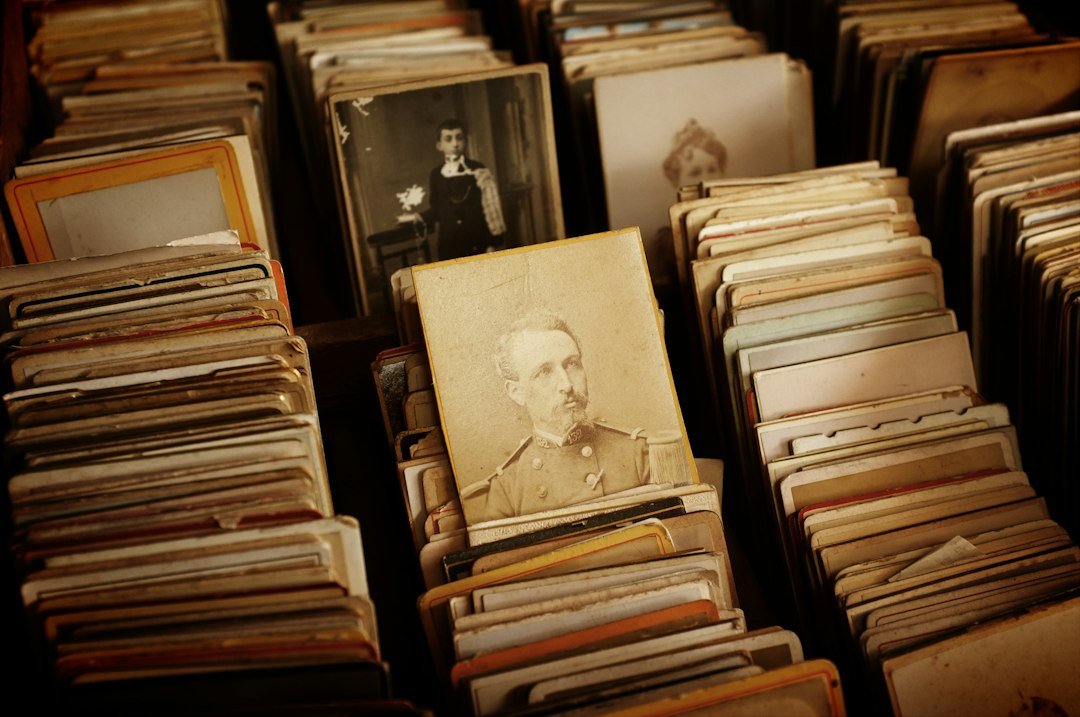
A Half-Century of Visual Documentation at America’s Premier Portrait Institution
The Smithsonian Institution’s National Portrait Gallery is marking a significant milestone this year—five decades since establishing its dedicated photography department. What began as a modest initiative to preserve photographic imagery has evolved into one of the most substantial curatorial achievements in the museum’s history.
Today, the photography collection represents an extraordinary institutional commitment, comprising nearly fifty percent of the entire museum’s acquisitions. This remarkable growth underscores the increasing recognition of photography as a critical medium for historical documentation and artistic expression within the American cultural landscape.
The Evolution of Photographic Collecting
The journey from early daguerreotypes to contemporary digital images reflects broader transformations within photography itself. The National Portrait Gallery’s collecting strategy has consistently adapted to encompassing new technologies and aesthetic approaches. The institution’s archivists and curators have worked systematically to acquire examples spanning multiple photographic processes—from 19th-century silver-halide techniques to modern computational imaging methods.
This comprehensive approach demonstrates how serious institutional collecting goes beyond simply acquiring individual images. Rather, it involves understanding the technical, cultural, and historical contexts that give photographs their meaning. Each addition to the collection tells stories about portraiture itself, about how societies have chosen to represent their notable figures and citizens across generations.
Building a Visual Archive for the Nation
The expansion of the photography collection reflects changing attitudes toward what constitutes museum-worthy material. Where institutional collections once prioritized fine art photography and celebrity portraiture, contemporary practices embrace a more inclusive vision. The National Portrait Gallery now actively seeks images that document diverse communities, professional achievements, and cultural moments that might otherwise be lost to time.
This systematic preservation work carries significant implications for scholarship, exhibition programming, and public understanding of American history. Researchers, artists, and educators increasingly rely on institutional collections to access primary visual sources. The National Portrait Gallery’s extensive photography holdings now serve as a crucial resource for understanding portraiture conventions, technological developments in imaging, and evolving aesthetic standards.
Looking Toward the Future
The fifty-year milestone prompts important questions about collecting priorities in the digital age. As smartphone photography and social media imagery become historically significant artifacts, museums face new challenges regarding acquisition, preservation, and interpretation. The National Portrait Gallery’s experience managing this transition positions it as a leader in contemporary collection management practices.
Digital preservation presents both opportunities and obstacles. While born-digital images offer easy documentation and accessibility, they introduce stability concerns that traditional photographic materials don’t pose. The institution continues developing protocols to ensure that contemporary photographic works receive the same careful stewardship as their historical predecessors.
The photography collection’s prominence within the National Portrait Gallery validates what photographers and curators have long understood: that the camera has become civilization’s primary tool for recording identity and preserving memory. As the museum moves forward, its continued dedication to photographic collecting ensures that future generations will inherit a rich, nuanced archive of American portraiture across five centuries of photographic practice.