Industry Leaders Reveal Competing Visions for Photography’s Evolution
Recent insights from Japan’s business media have provided a revealing window into how the world’s most influential imaging manufacturers are strategizing their futures. Through candid discussions with senior leadership at Canon, Nikon, Sony, and Fujifilm, a clear picture emerges of four distinct philosophies shaping the trajectory of photographic technology.
The divergence among these four powerhouses reflects a fundamental challenge facing the industry: rapid technological advancement, shifting consumer preferences, and the integration of artificial intelligence into imaging workflows. Rather than converging on a single vision, each manufacturer is doubling down on proprietary approaches that leverage their unique corporate strengths and market positioning.
Understanding the Strategic Divisions
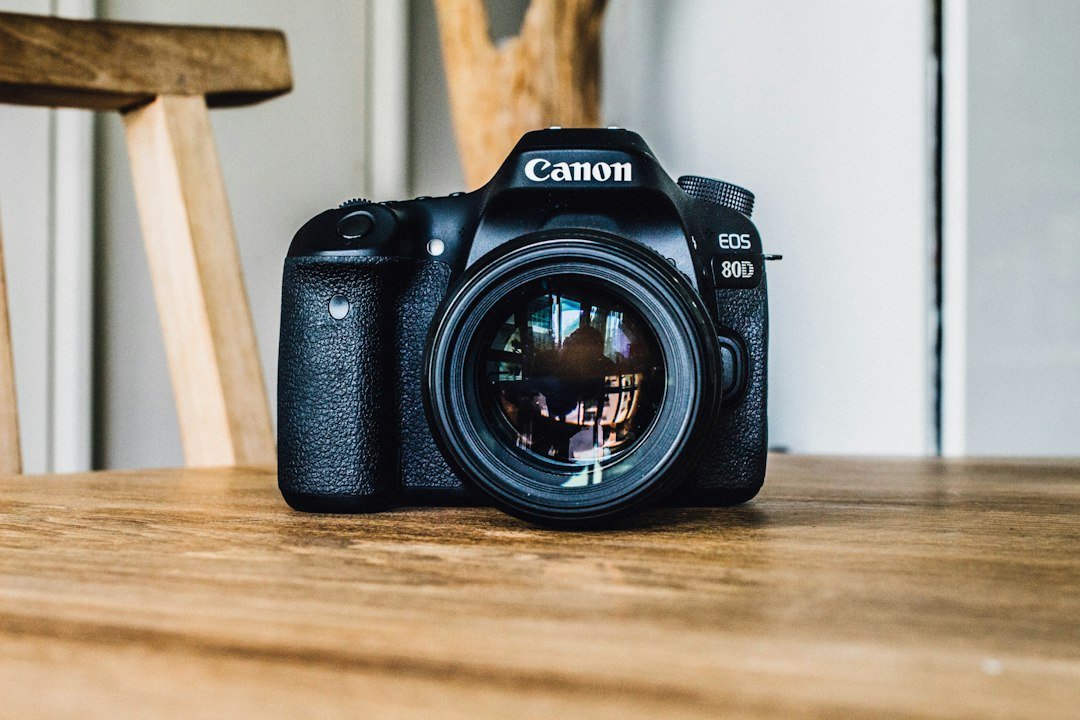
Canon continues emphasizing its extensive ecosystem of lenses and optical engineering prowess, maintaining a focus on both professional and consumer segments across mirrorless and traditional platforms. The company views sustained lens innovation and backward compatibility as essential pillars for customer retention.
Nikon’s perspective centers on refining its mirrorless system while strengthening partnerships with emerging content creators. The manufacturer appears committed to solidifying its presence in hybrid shooting scenarios where photographers and videographers demand versatility within a single platform.
Sony has positioned itself at the forefront of sensor technology advancement and computational photography, leveraging its vertically integrated manufacturing capabilities to introduce innovative features that competitors must subsequently adapt to. The electronics conglomerate’s approach emphasizes technological leadership and rapid iteration cycles.
Fujifilm takes a distinctly different tack, prioritizing film simulation algorithms and ergonomic design philosophy that appeals to photographers seeking a more tactile, intentional shooting experience. The company’s heritage in analog imaging informs its digital strategy in ways that differentiate it from purely tech-focused competitors.
What These Differences Mean for Photographers
For working professionals and enthusiasts, these competing visions translate into meaningful choices regarding system architecture, workflow integration, and long-term investment decisions. Each manufacturer’s strategic direction directly influences which tools become available, how quickly new features arrive, and what ecosystem partners develop complementary software and hardware.
The absence of industry-wide standardization, while occasionally frustrating, has historically driven innovation. Competition among Canon, Nikon, Sony, and Fujifilm has accelerated developments in autofocus systems, video capabilities, and image processing that benefit the entire photographic community.
Looking Forward
As these manufacturers continue refining their respective approaches, photographers must carefully evaluate which company’s vision aligns with their creative goals and professional requirements. The coming years will likely see these divergent strategies become even more pronounced as artificial intelligence, computational imaging, and networked workflows reshape how images are captured and distributed.
Understanding the philosophical differences between industry leaders provides valuable context when selecting camera systems and planning future investments in photographic equipment.