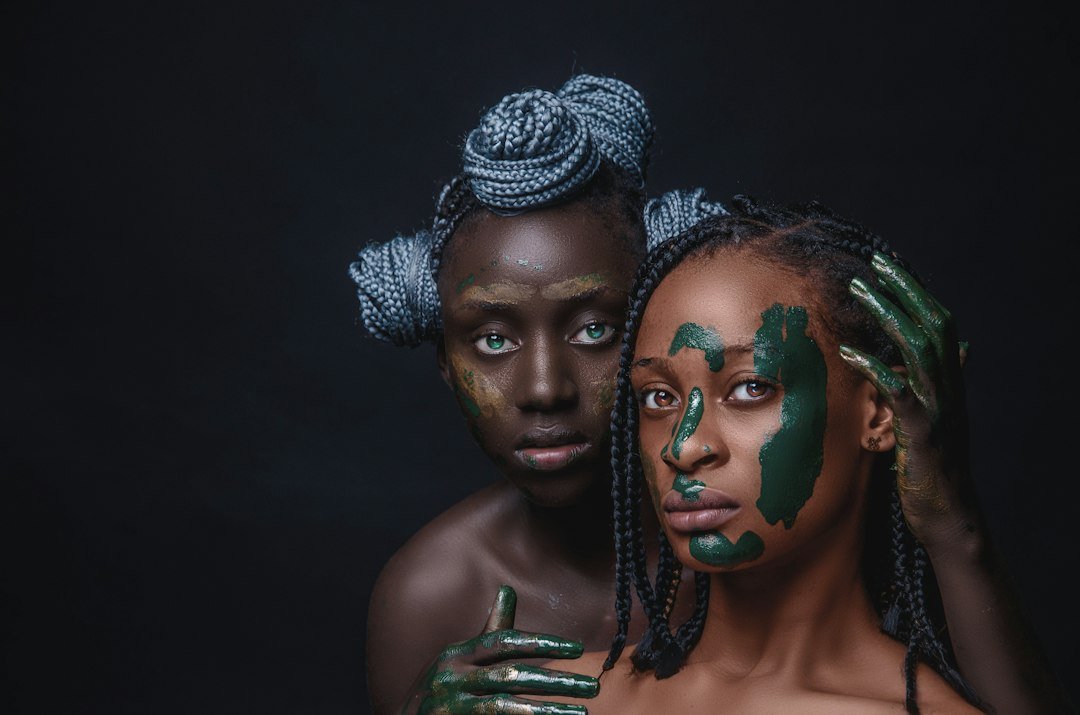
The Unwritten Grammar of Portrait Composition
Photography transcends language barriers, yet the way subjects present themselves before a camera reveals deeply rooted cultural conventions that vary dramatically across continents. What appears as a natural pose is actually a learned behavior—a visual vocabulary acquired during formative years and reinforced by regional norms and social expectations.
Consider the striking differences between photographic subjects across major urban centers. In Japanese cities like Osaka, younger demographics frequently employ the peace sign gesture positioned near the face, a pose so prevalent it has become almost synonymous with casual portraiture in East Asian markets. This gesture functions as a universal visual shorthand within these communities, instantly recognizable and socially sanctioned.
Contrast this with Eastern European photographic traditions, where a direct, composed expression dominates portrait sessions. Subjects from Moscow and similar metropolitan areas typically maintain neutral facial expressions and steady eye contact, conveying an impression of emotional restraint that Western audiences might initially interpret as severity or displeasure. However, this represents the cultural baseline—a standard of photographic decorum rather than any underlying emotional state.
Photography as Cultural Mirror
Professional photographers operating internationally recognize these subtle yet significant variations in subject behavior. Understanding these distinctions proves essential for commercial work, editorial assignments, and documentary projects targeting global audiences. The posing conventions that feel instinctive to one demographic may appear awkward or inauthentic when applied universally.
These variations emerge through repeated exposure during childhood and adolescence, reinforced through media consumption, social interaction, and peer influence. By the time individuals encounter a camera in adulthood, their postural vocabulary is largely established, functioning as an internalized set of rules governing self-presentation.
From a technical standpoint, savvy photographers leverage these cultural differences intentionally. Rather than imposing a singular aesthetic standard, successful contemporary practice acknowledges and respects regional variations in self-presentation. This approach yields more authentic imagery while honoring the subject’s cultural framework.
The Evolution of Global Portrait Standards
The proliferation of smartphone photography and social media platforms has begun homogenizing certain poses while simultaneously creating new localized variations. The selfie aesthetic, for instance, has developed distinct regional characteristics despite its global reach—angles, expressions, and background choices reflect local sensibilities even within this standardized format.
Travel photographers, photojournalists, and commercial image-makers benefit from studying these behavioral patterns beforehand. Recognizing that posing preferences stem from cultural conditioning rather than individual preference facilitates more productive creative sessions and yields culturally resonant results that authentic rather than exploitative.
As our visual culture becomes increasingly interconnected, the photography industry continues grappling with questions of authenticity, representation, and cultural respect. Whether documenting subjects for editorial purposes, creating commercial content, or building a documentary archive, photographers must navigate these nuanced cultural languages thoughtfully and with informed sensitivity to their significance.