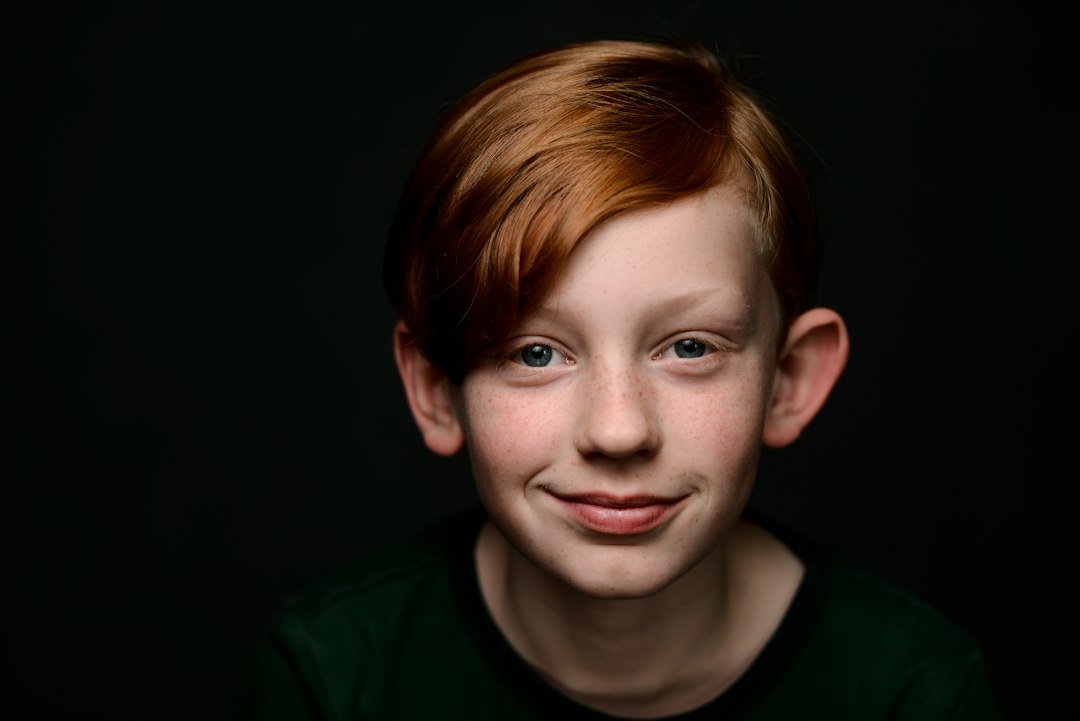
The Digital Disruption of Traditional School Photography
The school photography industry is experiencing unprecedented disruption as families increasingly embrace artificial intelligence tools to produce portrait images for their children. This emerging trend represents a significant shift in consumer behavior, with parents leveraging generative AI platforms as a cost-effective alternative to commissioning professional photographers for annual school portraits.
The motivation behind this transition is straightforward: budget constraints. Professional school photography sessions traditionally require substantial investment, with packages often ranging from hundreds to thousands of dollars when accounting for sitting fees, retouching, and print orders. AI-powered image generation tools have democratized portrait creation, enabling parents to produce polished, publication-quality images at minimal expense.
Beyond Generation: The Watermark Problem
The phenomenon extends beyond creating new images from scratch. Parents are increasingly utilizing digital manipulation software and AI-assisted editing tools to remove proprietary watermarks and branding from professionally-shot portraits—effectively circumventing licensing agreements and reducing the perceived need to purchase official prints from contracted photographers.
This practice raises significant concerns within the professional photography community. Watermarks serve as both a copyright protection mechanism and a business safeguard, clearly denoting the intellectual property rights of the original creator. Their removal constitutes copyright infringement and undermines the commercial viability of portrait photography as a profession.
The Broader Industry Context
School photography has long represented a cornerstone revenue stream for professional portrait photographers and established photography studios. The sector generates billions in annual revenue across North America, with specialized contracts between schools and photography companies forming the backbone of many small photography businesses.
The convergence of accessible AI technology, affordable computing power, and sophisticated image synthesis algorithms has fundamentally altered the competitive landscape. Platforms utilizing neural networks can now produce technically competent portraits that, while sometimes lacking the nuanced artistry of professional work, satisfy the basic functional requirements of school photography.
Quality Considerations and Limitations
Despite their improving capabilities, AI-generated images often present distinctive artifacts and inconsistencies that experienced viewers can identify. Subtle irregularities in lighting, asymmetrical facial features, and unnatural background rendering remain common shortcomings. However, for casual viewing and social sharing purposes, these limitations prove largely imperceptible to general audiences.
Implications for Professional Photographers
This trend underscores mounting pressure on professional photographers to justify their value proposition in an increasingly competitive marketplace. The technical barrier to entry for portrait creation has essentially evaporated, forcing established photographers to emphasize their artistic direction, interpersonal expertise, and the irreplaceable quality that human creativity brings to portraiture.
As this technological tide continues rising, the photography profession faces critical questions about differentiation, pricing strategy, and market positioning. Forward-thinking photographers are exploring hybrid approaches, incorporating digital tools into their workflows while emphasizing the irreplaceable human elements—composition intuition, subject direction, and genuine engagement—that distinguish professional work from algorithmic output.