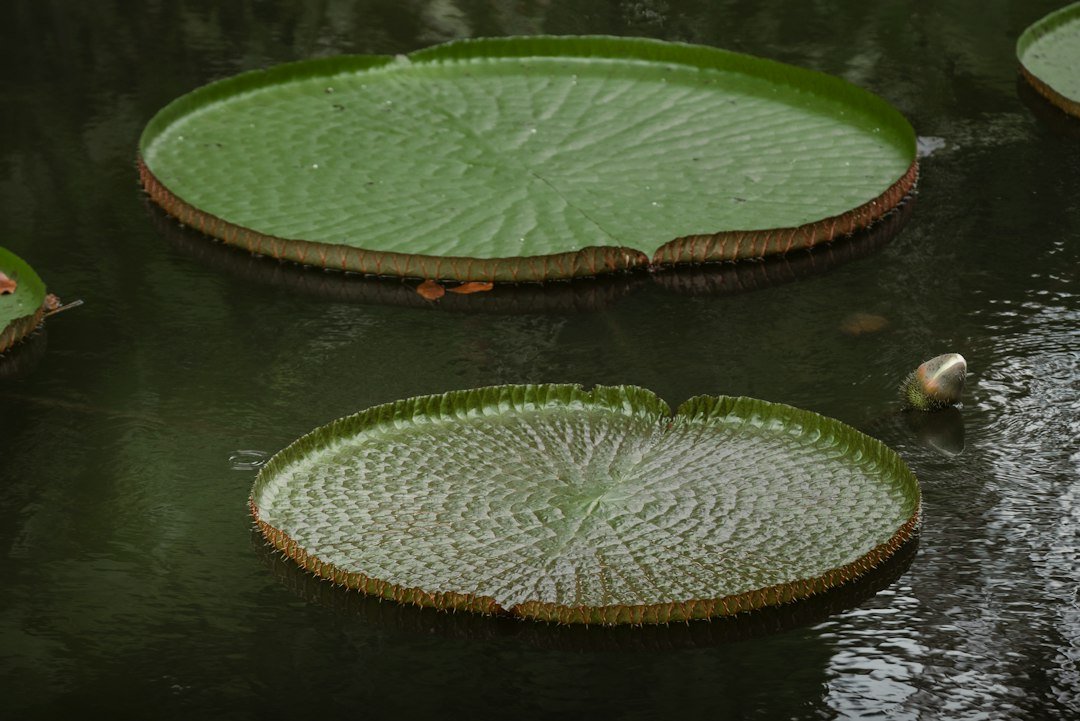
How a Casual Instagram Post Led to Botanical Discovery
In an remarkable convergence of digital culture and scientific advancement, researchers have identified an entirely new species of colossal waterlily through photographic evidence shared on social media platforms. The specimen, distinguished by its extraordinary dimensions that render it observable from orbital satellite imagery, represents a significant find in aquatic botany that exemplifies how contemporary visual documentation tools continue to democratize scientific discovery.
The serendipitous breakthrough emerged when a casual social media enthusiast captured and published imagery of the botanical specimen, inadvertently creating a visual record that subsequently caught the attention of the scientific community. This incident underscores the profound impact that accessible imaging technology and widespread social media distribution networks have had on modern research methodologies.
Photography’s Role in Modern Scientific Documentation
For professional photographers and visual documentation specialists, this discovery reinforces the critical importance of image quality and detail capture in scientific contexts. High-resolution photography enables researchers to examine minute botanical characteristics with precision, while also allowing for the identification of macroscopic features visible only when observed from elevated perspectives or through compiled imagery.
The waterlily’s remarkable scale—sufficient to be discerned by space-based remote sensing technology—demonstrates how photographic evidence at various scales contributes to scientific understanding. From intimate macro photography revealing cellular structures to expansive aerial imagery capturing organism dimensions, visual documentation remains instrumental in advancing botanical knowledge.
The Intersection of Amateur Documentation and Professional Science
This discovery illustrates a transformative shift in how scientific observations occur in the digital age. Previously, botanical identification relied predominantly on institutional research expeditions and specialized fieldwork. Today, the proliferation of smartphones equipped with capable imaging sensors has transformed countless individuals into potential contributors to scientific knowledge. Social media platforms serve as unintended repositories of documented specimens, occasionally capturing subjects of genuine research significance.
The waterlily identification process likely involved collaboration between amateur observers and credentialed botanists, demonstrating how crowdsourced visual evidence can complement traditional research frameworks. As imaging technology becomes increasingly sophisticated—with smartphone cameras now rivaling dedicated equipment in numerous applications—the potential for similar discoveries continues to expand.
Implications for Future Research and Documentation
The implications of this finding extend beyond botanical circles. Researchers across multiple disciplines are increasingly recognizing the value of mining social media archives for scientific content. Environmental scientists, zoologists, and ecological researchers similarly benefit from incidental photographic documentation posted by travelers and enthusiasts worldwide.
For the photography community, this development emphasizes the lasting value of thoughtful image capture and responsible documentation practices. Whether undertaken professionally or casually, photographs possess the capacity to contribute meaningfully to human knowledge and understanding of our natural environment.
As technology continues advancing, the boundary between casual documentation and scientific contribution will likely continue blurring, creating unprecedented opportunities for collaboration between professional researchers and the photographically inclined public.