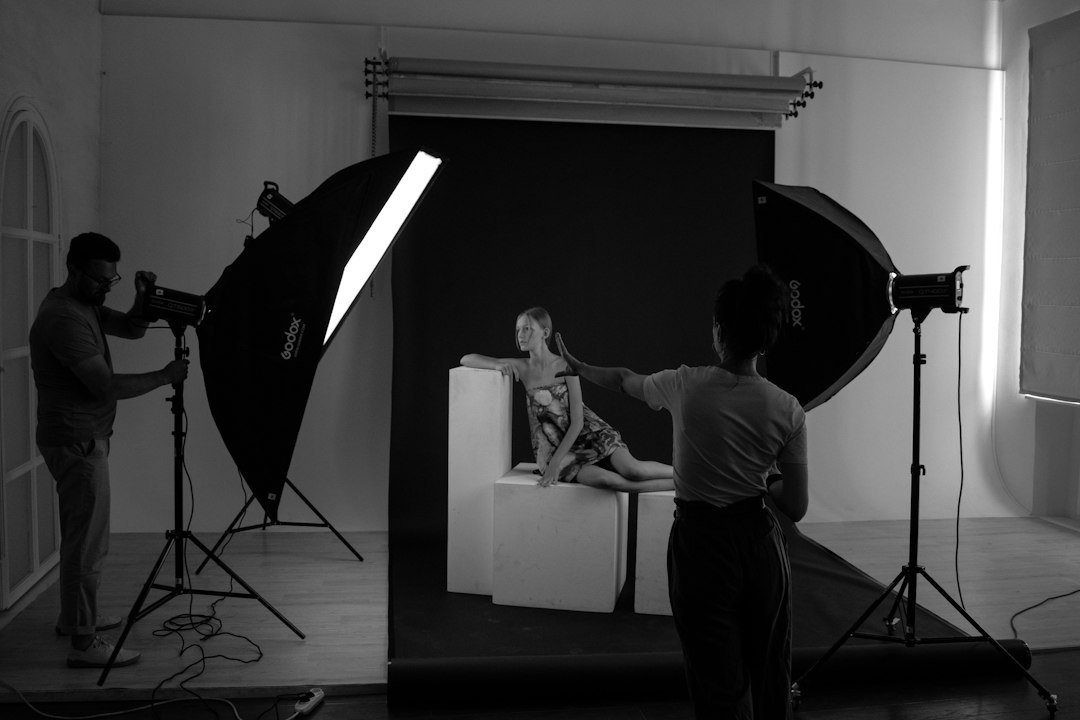
Reading the Language of Light in Portrait Photography
Every photograph tells a detailed story about its lighting setup, and understanding how to interpret these visual clues is a valuable skill for any portrait photographer. The shadows cast across a subject’s face, the catch lights reflected in their eyes, and the quality of highlights on skin all serve as indicators of the equipment used to create the image. By developing this analytical eye, you can reverse-engineer professional lighting setups and recreate them in your own creative space.
The Visual Signatures of Different Light Modifiers
Light modifiers fundamentally change how illumination behaves when it reaches your subject. The distinctive characteristics of each tool become evident when examining the final image. A beauty dish produces a specific quality of light that differs noticeably from other softening tools. Similarly, a softbox creates its own signature appearance that trained photographers can identify with confidence.
The key lies in observing subtle details within the photograph itself. Look closely at how shadows transition from dark to light areas. Notice the intensity and shape of specular highlights—those bright, concentrated areas that appear on prominent facial features. These details function like fingerprints, pointing directly to the modifier responsible for creating them.
What Makes Each Modifier Distinctive
Understanding the fundamental differences between these tools helps explain their visual signatures. Beauty dishes typically feature a reflective dish with a central deflector, creating a focused yet diffused light quality. This produces relatively sharp-edged shadows with a particular character that differs from the softer, more gradual transitions created by other modifiers.
Softboxes, by contrast, employ fabric diffusion panels that scatter light across a broader area. This design philosophy creates distinctly different catch light patterns and shadow characteristics. The quality feels more consistently diffused across the frame, with gentler shadow transitions and a different catch light shape.
Building Your Visual Library
The most effective way to develop this skill is through consistent observation and practice. Examine published portraits across professional photography platforms, magazines, and portfolio websites. Study how light behaves in different scenarios—high-key beauty shots, dramatic editorial work, commercial headshots, and creative portraiture. Each context presents different lighting challenges and solutions.
Start collecting reference images that exemplify each lighting approach. Create mental notes about the specific characteristics you observe: the shape of shadows under cheekbones, how light wraps around facial contours, the intensity of nose highlights, and the quality of eye reflections. Over time, these patterns become increasingly recognizable.
Applying Knowledge to Your Own Work
Once you’ve developed the ability to identify lighting techniques from finished images, you’ve essentially gained access to a vast library of lighting diagrams. Every professionally lit portrait becomes a learning resource you can analyze and adapt for your own projects. This approach accelerates skill development and builds confidence in experimenting with different modifier combinations.
Whether you’re working in a fully equipped studio, a converted garage space, or any other environment, the ability to deconstruct professional lighting setups grants you creative freedom. You can recreate looks you admire, adapt them to your unique style, and develop a distinctive approach grounded in professional techniques.