Capturing Analog Soul in the Digital Age
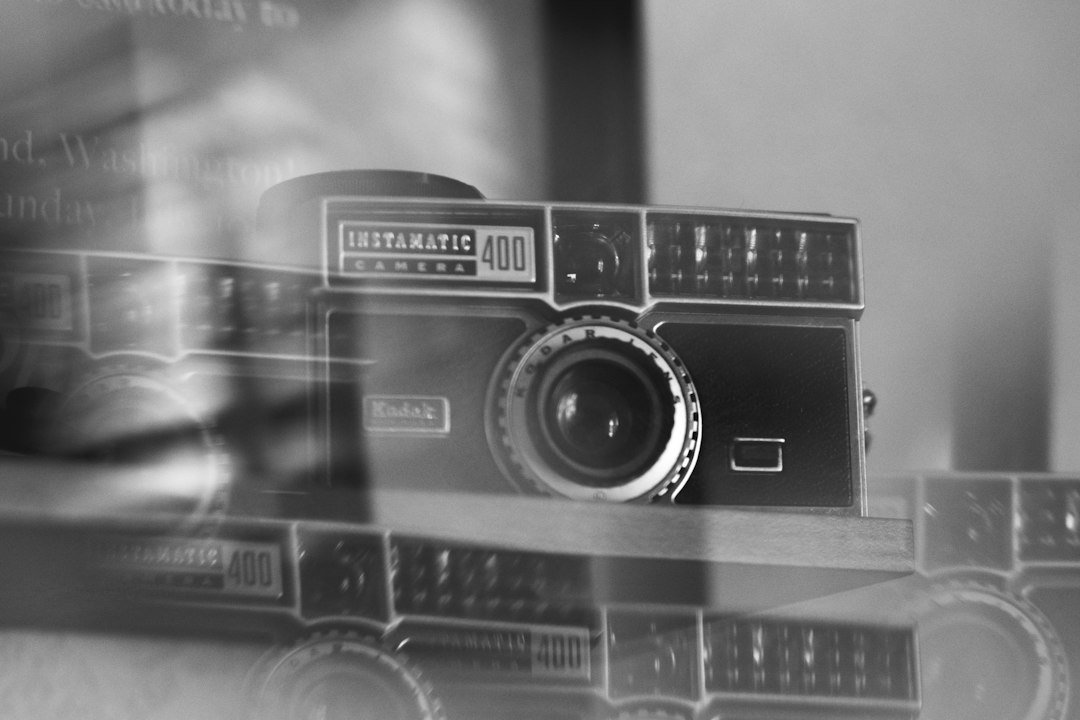
The resurgence of film photography has sparked renewed interest in the distinctive visual qualities that characterized analog capture—grainy textures, organic tonal transitions, and the unpredictable beauty of light hitting silver halide emulsion. Now, Tokyo-based photographer Keitaro Kobayashi is channeling this aesthetic revival into a specialized iOS application designed to authentically reproduce these cherished characteristics.
Kobayashi’s new venture, MARS, represents a thoughtfully engineered approach to monochromatic mobile photography. Rather than applying superficial filters or preset effects, the application seeks to deconstruct and faithfully recreate the optical and chemical properties inherent to traditional film stock. This technical ambition places MARS within an emerging category of sophisticated imaging tools that prioritize authenticity over convenience.
The Technical Foundation of Film Emulation
The hallmark characteristic of analog film photography—its distinctive grain structure—emerges from the physical composition of photographic emulsion. Kobayashi’s development strategy focuses on algorithmically replicating this phenomenon, moving beyond simple noise injection. The application addresses what photographers term “blooming,” the subtle light diffusion and halation effects that occur when light interacts with film layers and the camera’s backing substrate.
This attention to technical precision reflects a broader philosophical shift within photography apps. As computational photography advances, discerning users increasingly recognize the difference between algorithmic approximation and authentic reproduction. MARS appears positioned to serve photographers who understand these distinctions and seek tools that honor the medium’s heritage.
Market Context and Photographer Demand
The smartphone photography landscape has evolved dramatically over the past decade. While manufacturers have invested billions into computational processing and multi-sensor arrays, a parallel movement has gained traction among enthusiasts seeking deliberately constrained, transparent image creation processes. Film simulation represents one facet of this counter-movement, appealing particularly to photographers educated in analog methodology or those pursuing intentional aesthetic limitations.
Kobayashi’s creative background provides credible authority for this specialized tool. A practicing photographer rather than a software engineer-turned-entrepreneur, he brings intimate knowledge of how film actually behaves across various conditions and film stocks—knowledge that typically translates into more convincing digital approximations.
Broader Implications for Mobile Photography
MARS exemplifies how mobile photography continues fragmenting into specialized niches rather than converging toward universal solutions. The application joins an expanding ecosystem of single-purpose tools designed for photographers with specific aesthetic objectives. This diversification suggests that the smartphone camera market has matured beyond mainstream snapshot utility into a legitimate creative platform supporting diverse photographic philosophies.
The success of such applications ultimately depends upon execution fidelity. Users accustomed to evaluating real film across different stocks and conditions can immediately recognize whether digital approximations authentically capture those visual signatures or merely simulate them superficially. Kobayashi’s credibility as both photographer and developer positions MARS to potentially bridge this critical authenticity gap.