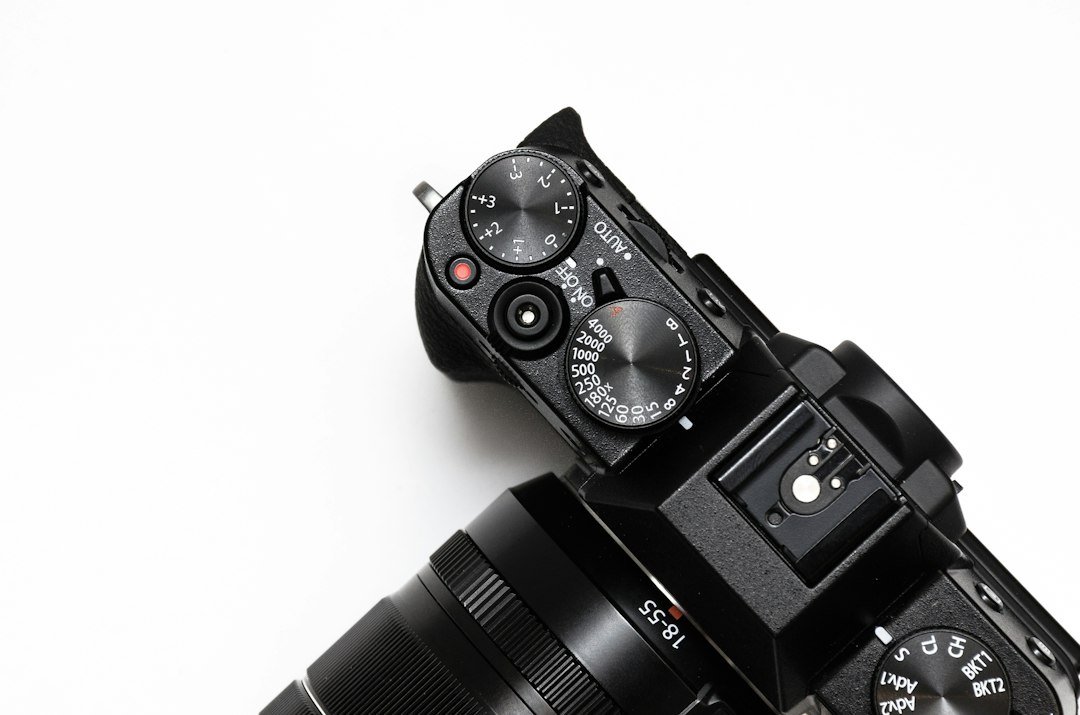
A Tale of Contrasts: Premium Glass, Puzzling Hardware
The Sigma brand has long commanded respect in the optical sphere, delivering exceptional lens quality that rivals and often surpasses more established manufacturers. However, this reputation for optical excellence stands in stark contrast to the company’s approach to camera body engineering—a disconnect that becomes particularly apparent when examining their full-frame mirrorless offerings.
Throughout years of hands-on evaluation, Sigma’s camera designs have consistently presented a frustrating paradox. While the optical performance remains stellar, the physical execution of their imaging devices reveals a pattern of unconventional design choices that prioritize aesthetic distinctiveness over practical usability. This isn’t a newly discovered flaw; rather, it reflects a long-standing design philosophy that permeates their entire camera lineup.
Ergonomic Challenges and Interface Complications
One of the primary pain points encountered during extensive testing revolves around the tactile experience of handling these cameras. The grip geometry and overall form factor often feel unintuitive, lacking the refined comfort curve that professional and enthusiast photographers have come to expect from contemporary full-frame systems. Extended shooting sessions can result in hand fatigue, suggesting that user comfort was not the primary focus during the industrial design phase.
The operational interface presents additional complications. Menu hierarchies and control layouts appear engineered to enforce a singular, predetermined workflow rather than accommodating the diverse shooting preferences of different photographers. This rigidity can feel constraining, particularly for experienced users accustomed to customizable input systems that adapt to individual needs and shooting styles.
Design Philosophy Questions
Beyond ergonomics, Sigma has demonstrated a consistent willingness to embrace bold design departures that don’t always translate into practical benefits. These experimentation-driven approaches occasionally result in shooting workflows that feel unnecessarily convoluted or counterintuitive. While risk-taking in industrial design can yield innovation, execution matters considerably, and not every unconventional choice enhances the user experience.
The disconnect between Sigma’s optical prowess and their body engineering represents a missed opportunity. Professional photographers investing in a full-frame mirrorless system seek harmonious integration of superior optics with equally refined hardware ergonomics and interface design. When one element excels while others falter, the overall value proposition becomes compromised.
Looking Forward
The optical engineering that Sigma brings to the imaging market remains genuinely impressive, and their lens lineup deserves its sterling reputation. However, bringing that same meticulous attention to detail toward camera body design—specifically regarding ergonomic refinement and intuitive control systems—would elevate their complete system offering substantially. Until that balance is achieved, potential buyers must carefully weigh exceptional glass quality against the documented ergonomic and interface limitations that have plagued successive camera iterations.