Immersive Storytelling Through Long-Form Documentary Photography
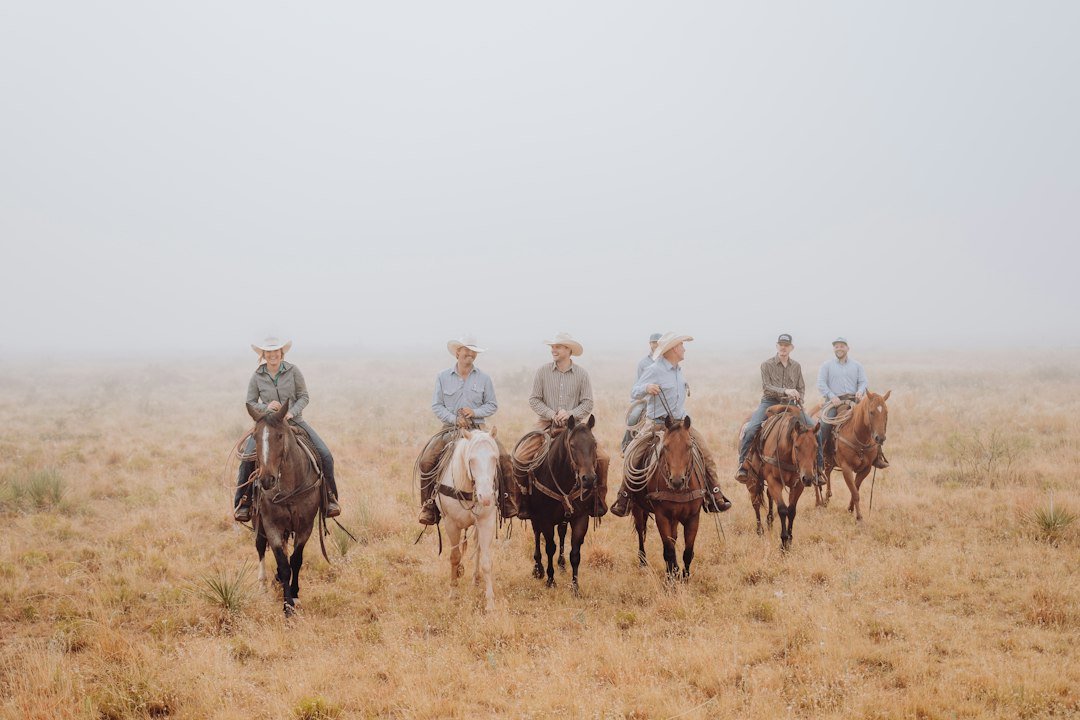
One photographer’s commitment to visual activism has resulted in an extensive body of work that challenges mainstream narratives about American ranch life and equestrian traditions. Over the course of ten years, this artist embedded themselves within Black cowboy and cowgirl communities across various regions of the United States, creating an intimate photographic archive that preserves a cultural legacy often marginalized in mainstream media.
This long-form documentary project exemplifies the power of sustained photographic inquiry—a methodology where the photographer moves beyond surface-level observation to develop genuine relationships with subjects over extended periods. By choosing to live alongside these communities rather than conducting brief shooting sessions, the photographer was able to capture authentic moments that reveal the complexity, resilience, and everyday beauty of Black equestrian life.
Challenging Cultural Narratives Through Visual Documentation
The project addresses a significant gap in how American Western culture is visually represented. Historically, iconic imagery of ranch work and horse culture has centered on white participants, effectively erasing the substantial contributions of Black cowboys, cowgirls, and ranching families. This photographer’s work serves as an important corrective, documenting diverse individuals engaged in authentic ranch operations, rodeo participation, and horsemanship traditions.
From a technical and compositional standpoint, the portfolio demonstrates masterful use of environmental portraiture. The photographer employed natural lighting techniques that highlight the landscapes these communities inhabit while maintaining intimate focus on their subjects. The visual narrative unfolds through carefully sequenced images that convey cultural context, personal identity, and the intricate relationship between people and animals.
The Value of Immersive Documentary Practice
This undertaking reflects broader movements within contemporary photography toward ethical, consent-based documentation and community-engaged storytelling. Rather than approaching subjects as exotic curiosities, the photographer’s decade-long immersion allowed for reciprocal relationships and collaborative image-making. This methodology produces work with greater authenticity and cultural sensitivity than traditional parachute journalism or brief assignment-based photography.
The longevity of the project also allowed the photographer to document change over time—witnessing how communities adapt, grow, and navigate contemporary challenges. This temporal depth transforms the work beyond simple portraiture into a genuine historical record that future generations can reference for understanding this pivotal era.
Impact and Legacy
Projects of this caliber demonstrate photography’s capacity to reshape cultural conversations and challenge institutional blind spots. By persistently centering overlooked narratives through sustained visual documentation, photographers can influence how communities perceive themselves and how broader audiences understand cultural diversity. This body of work stands as testimony to the transformative potential of long-form photojournalism and culturally conscious artistic practice.