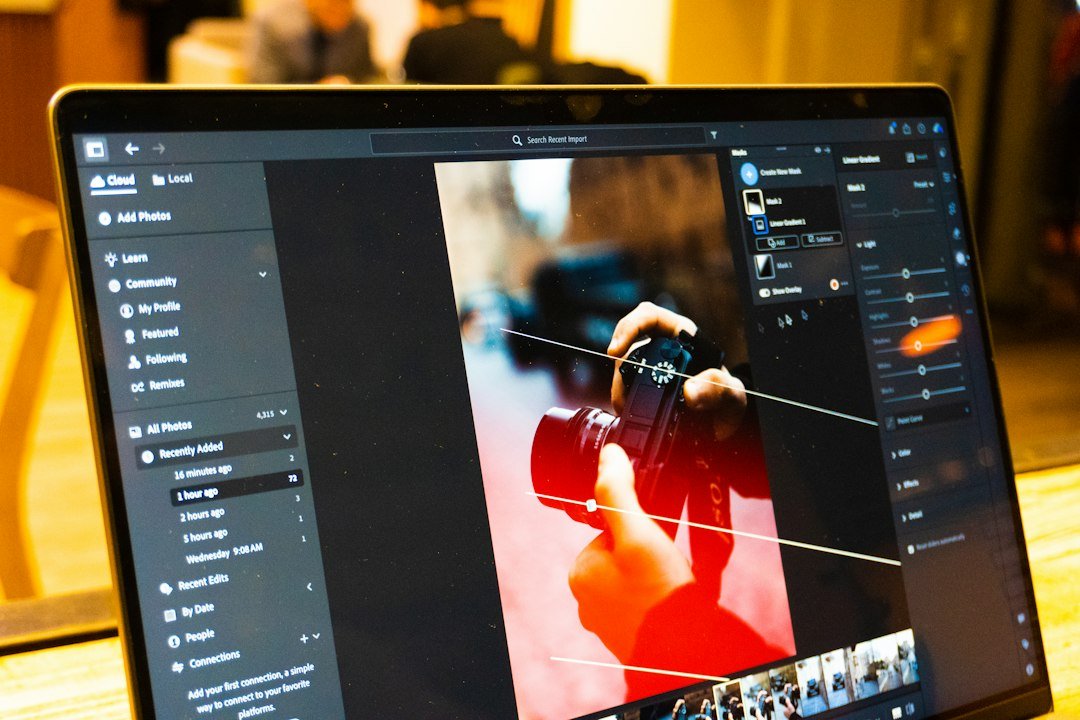
At Adobe MAX 2026 in Miami Beach, Adobe announced a broad slate of updates across its core creative applications and underlying technologies. Among the headline items are changes to Photoshop and Lightroom, two tools that many photographers rely on every day for both precise retouching and high-volume editing. The direction is clear: artificial intelligence is moving deeper into the stages of editing where lighting and visual style are decided.
Why Lighting and Style Matter
For working photographers, lighting is often the difference between an image that feels flat and one that carries emotional weight. Traditionally, changing how a scene is lit meant returning to the shoot, adding off-camera flash, or spending hours on masks, dodging, and burning in post-production. Style adjustments, meanwhile, required careful layering of curves, color grading, and local corrections. Tools that can suggest or apply these changes automatically promise to shorten that process considerably, especially for commercial teams managing large catalogs.
What the Announcement Covers
The updates center on Photoshop and Lightroom, with AI-driven capabilities for relighting and restyling images. In practical terms, this points to workflows where an editor can reshape the apparent light falling on a subject or shift the overall look of a photograph without rebuilding the adjustment stack from scratch. Adobe framed these additions as part of a larger effort to bring its generative and machine learning features into the core editing environment rather than leaving them in separate experiments.
Because the broader MAX announcements span multiple applications, it is worth reading the full release from Adobe for complete details on availability, supported file types, and system requirements. Specifications, rollout timing, and pricing can change between announcement and release, so confirm them before planning a production schedule around any new feature.
The Bigger Picture for Photographers
AI-assisted relighting raises questions that photographers have been debating for several years. The first concerns authenticity. Editorial and journalistic photography operate under strict standards about what can be altered, and a tool that changes the light in a scene may fall outside those rules. Clients, contest organizers, and publications will likely need clear guidelines on how these features can be used, and many professionals will want to document their edits carefully.
The second question is creative control. Automated restyling can produce attractive results quickly, but it can also push images toward a generic look if photographers accept default suggestions without adjustment. Experienced editors tend to treat such tools as starting points, refining the output to match a personal visual signature. The most useful implementations will be those that let users dial the effect up or down and preserve the underlying shadows, highlights, and skin tones that give a photograph its realism.
What to Watch Next
For photographers who already work in Photoshop and Lightroom, the announcement is a reminder to keep an eye on release notes and early hands-on reviews. Real-world performance matters: how well relighting handles hair, reflections, and complex backgrounds will determine whether these features earn a permanent place in professional workflows. Testing new tools on sample images from your own portfolio is the most reliable way to judge them.
Adobe MAX has long served as a showcase for the company’s direction, and this year’s emphasis on AI-powered editing suggests that intelligent lighting and style tools will become a standard part of the post-processing toolkit. Photographers who learn to combine these features with traditional craft, including sound exposure, thoughtful composition, and deliberate color, will be best positioned to take advantage of them.