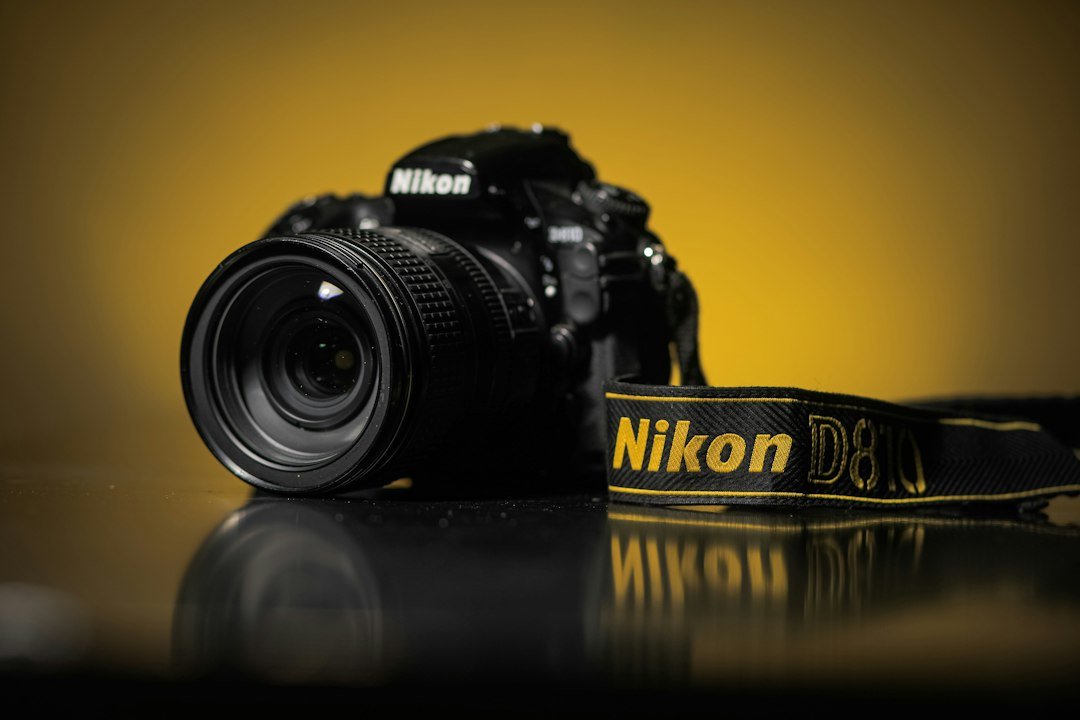
I never owned a Nikon D850, but I spent years shooting with its predecessor, the D700, so I came to Nikon’s high-resolution full-frame body with a set of expectations already in place. My first hands-on time with the D850 came on one of my earliest major press trips, to Bend, Oregon. That trip took place during my days with TCS TV, and it’s where I first crossed paths with many of the industry professionals I now count among my closest friends.
Those memories color how I think about the camera. Gear reviews are supposed to be objective, but a camera tied to a formative experience is hard to judge cleanly. So the real question is whether the D850 holds up on its merits, or whether affection for that trip is doing most of the heavy lifting.
Why the D850 Still Gets Attention
Part of the camera’s reputation comes from its specifications, which were impressive when it arrived and still hold up well. Its 45.7-megapixel backside-illuminated full-frame sensor gave photographers a level of detail that few rivals could match at the time, and it did so without giving up the dynamic range and low-light capability working pros rely on. For landscape, studio, and commercial shooters who need to crop aggressively or print large, that resolution remains a practical advantage rather than a spec-sheet talking point.
Autofocus and burst performance were equally important. The 153-point AF system, with its wide coverage across the frame, gave sports and wildlife shooters confidence that moving subjects would stay locked. Continuous shooting reached 7 frames per second in standard form and 9 frames per second with the optional MB-D18 battery grip, which made the body competitive for action work without requiring a separate flagship model.
Built for Working Photographers
Dual card slots, supporting both XQD and SD media, addressed a common concern among professionals who need redundancy on paid assignments. Video shooters also had reason to take notice, since 4K UHD recording turned the D850 into a capable hybrid tool for editorial and corporate work. Its build quality and ergonomics felt familiar to anyone who had used Nikon’s professional bodies, which mattered as much as any individual feature.
Separating Memory from Performance
Nostalgia does play a role. Looking back, it’s easy to remember a camera as flawless once it has become tied to a trip, a community, or a stage in your career. Still, the D850’s continued relevance is not only sentimental. Its image quality, autofocus reliability, and workflow flexibility have kept it in working kits long after newer models arrived.
For photographers weighing a used D850 today, the practical considerations matter most. Consider your typical subjects, how much resolution you actually need, and whether your existing lenses and accessories fit the Nikon F-mount ecosystem. If those answers point toward high-detail, full-frame work, the D850 deserves serious consideration, memories or no memories.
In the end, the camera has earned its reputation on its own terms. Nostalgia may have helped me remember it fondly, but the results on the card are what keep it in the conversation.