Many photographers approach their equipment budgets with a simple goal: buy the best of everything. The problem is that top-tier pricing doesn’t always translate into better images. Understanding which purchases actually affect your photographs, and which mainly affect your wallet, can free up significant funds for the gear that protects your work and keeps your creative process moving.
Where Money Makes a Visible Difference
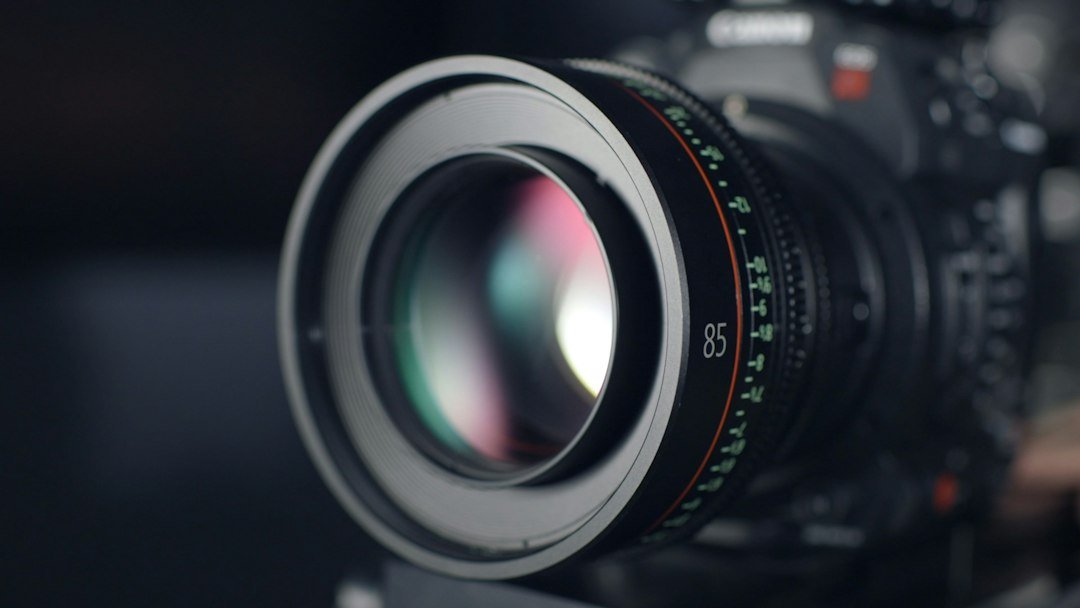
In most camera systems, the lens does more to shape the final image than the camera body. Optical quality influences sharpness, contrast, color rendition, and how gracefully a lens handles out-of-focus areas. A wide maximum aperture can also make low-light shooting far more practical. For portrait, event, and documentary photographers, investing in a fast prime or a well-built zoom with strong optics often produces the most noticeable improvement in results.
Sensor size and dynamic range are another area where higher spending can be justified, particularly for photographers who regularly shoot in challenging light or need significant room for cropping and exposure recovery. Those who make large prints or work for commercial clients may find that these capabilities matter a great deal.
Where Restraint Pays Off
Not every premium feature earns its price. Many high-end bodies offer faster burst rates, expanded autofocus tracking, or additional weather sealing that only a small subset of shooters will use regularly. Unless your work depends on those specifics, a midrange body often delivers nearly identical image quality at a much lower cost.
Accessories present a similar picture. Premium camera straps, decorative leather bags, and specialty cleaning kits are rarely essential. A dependable, well-padded bag and a basic microfiber and blower setup will serve most photographers for years. Likewise, expensive filters are not always necessary; in many situations, careful composition and post-processing achieve comparable effects.
Protecting Your Work Comes First
Some of the most valuable spending is less glamorous. Reliable memory cards with solid write speeds keep you from missing critical moments when a buffer fills. A tripod that remains stable in wind is worth more than an ultra-light model that shakes at longer focal lengths. Redundant storage, such as a portable SSD paired with cloud backup, guards against the kind of loss that no lens upgrade can repair.
Insurance and proper protective cases also deserve attention. Equipment damage, theft, and accidental drops can end a project in seconds, and the cost of replacing gear after an incident often exceeds the price difference between mid-range and flagship items.
Smart Strategies for Building Your Kit
Before buying, consider renting the equipment you’re unsure about. Rental programs allow you to test a lens or body on real assignments without committing to the full price. Certified refurbished and carefully inspected used gear can also provide substantial savings with manufacturer or reputable seller warranties. Finally, be honest about your typical subjects and shooting conditions. A landscape photographer, a wedding shooter, and a wildlife enthusiast each have very different priorities, and a purchase that transforms one workflow may barely register for another.
The most effective camera kit is not the most expensive one. It is the collection of tools that consistently helps you capture the images you envision, while leaving room in the budget for the things that keep your photography reliable and your creative ideas in focus.