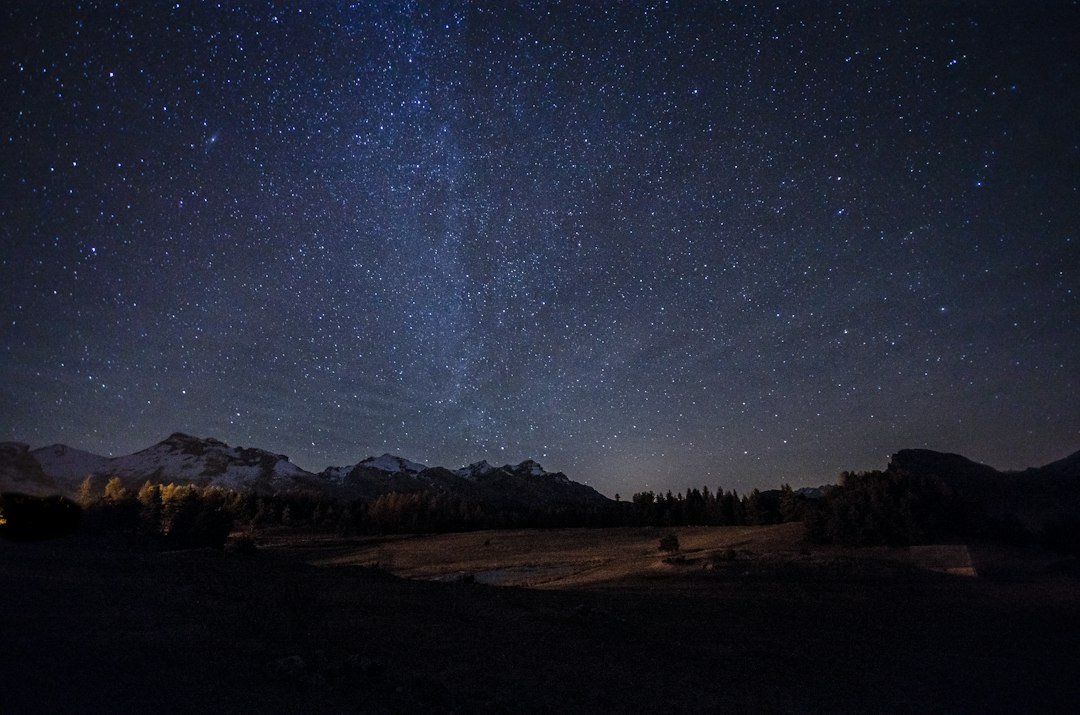
Natural Language Meets Astrophotography: Testing Photoshop’s Latest AI Innovation
Adobe has fundamentally changed how photographers approach post-processing workflows with the introduction of its groundbreaking AI-assisted editing capability. Arriving as part of Photoshop version 27.10 in late August 2026, this intelligent editing system represents a significant leap forward in computational photography, allowing users to simply describe their desired edits in conversational language rather than navigating traditional adjustment panels.
The technology operates on a straightforward principle: users articulate their editing intentions through natural text prompts, and the software’s artificial intelligence interprets and executes those modifications in real-time. This paradigm shift democratizes advanced image editing, eliminating the steep learning curve that typically accompanies professional-grade post-processing tools.
Astrophotography Meets Artificial Intelligence
When testing this innovative system on deep-sky imagery, particularly long-exposure Milky Way captures, the results proved surprisingly sophisticated. Astrophotography presents unique editing challenges that demand precision—balancing core brightness, managing noise reduction without sacrificing detail, and enhancing galactic structures while maintaining natural appearance. Traditional editing requires multiple adjustment layers and nuanced masking techniques.
What the AI Accomplished
The AI-assisted editor demonstrated remarkable capability in understanding context-specific requirements. Simply describing desired outcomes—such as increasing contrast in stellar regions, reducing thermal noise in shadow areas, or enhancing nebulosity without oversaturation—produced results that aligned with the photographer’s intent. The system appeared to understand the inherent characteristics of night-sky imagery, applying adjustments that preserve astrophotographical integrity.
Rather than applying blanket adjustments across an entire frame, the intelligent system demonstrated selective processing. It recognized stellar points, differentiated them from background noise, and applied appropriate enhancement strategies. This selective approach prevented common pitfalls such as blooming in bright stars or excessive noise amplification in deep-space regions.
Practical Implications for Night Sky Photographers
For astrophotography specialists, this advancement carries significant workflow implications. Traditionally, processing Milky Way images involves extensive manual work—careful dodge-and-burn techniques, precise luminosity masking, and methodical noise management. The AI system substantially accelerates this process while maintaining professional-caliber results.
The technology’s capacity to interpret nuanced instructions means photographers can focus on creative vision rather than technical implementation. A photographer might simply note their goal—say, emphasizing the galactic core while maintaining realistic color information—and the AI handles the technical execution.
Considerations and Limitations
However, like any automated system, the AI editor demonstrates strengths within certain parameters. Complex, highly specialized requests sometimes require traditional adjustments for optimal results. Additionally, the system’s interpretation of natural language occasionally differed from photographer intent, particularly with highly technical specifications.
The most successful applications involved clear, straightforward directions rather than convoluted requests. Photographers accustomed to precise technical adjustments may find the AI’s interpretative approach occasionally frustrating, though the learning curve for using natural language prompts remains minimal.
Looking Forward
This AI integration signals Adobe’s commitment to intelligent automation in creative workflows. For astrophotography enthusiasts and professionals alike, the implications extend beyond mere convenience—this technology represents a fundamental shift toward more intuitive, accessible professional editing capabilities. As the software matures and machine learning algorithms refine their understanding of specialized imaging domains, we can expect increasingly sophisticated applications particularly suited to challenging genres like deep-sky photography.