Unmanned Systems Document Legendary Marine Phenomenon for First Time
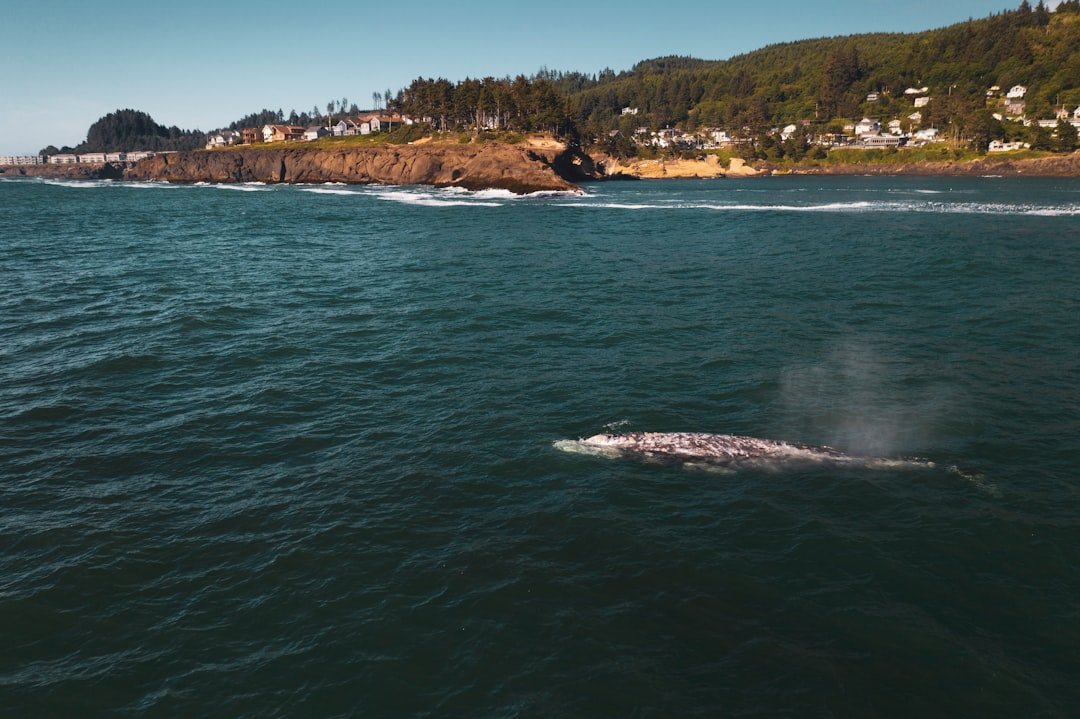
Revolutionary advances in aerial drone technology have finally delivered scientific confirmation of a remarkable animal behavior that has captivated maritime observers for centuries. Researchers utilizing cutting-edge unmanned aerial vehicles have successfully recorded sperm whales engaging in head-to-head collisions, marking a watershed moment in marine biology documentation.
The footage represents a significant achievement in wildlife cinematography, as this particular behavioral pattern had remained anecdotal—passed down through generations of sailors and whalers whose accounts were treated with considerable skepticism by the scientific community. Despite numerous historical narratives describing these dramatic encounters, the lack of visual evidence had prevented formal recognition of the phenomenon within academic circles.
Technological Breakthrough Enables Previously Impossible Documentation
The deployment of modern drone systems equipped with high-resolution imaging capabilities has transformed our capacity to observe deep-ocean species without intrusive interference. These sophisticated platforms allow researchers to maintain safe distances while capturing behavioral details at unprecedented clarity levels. The aerial perspective provides unique vantage points impossible to achieve through traditional marine research vessels or underwater submersibles.
From a technical standpoint, the successful documentation required careful planning and specialized equipment calibration. Drone operators needed to anticipate whale movements across vast ocean expanses while managing battery constraints, weather variables, and maintaining stable footage in challenging maritime conditions. The resulting video sequences demonstrate the technical sophistication now possible in remote wildlife observation.
Understanding the Behavioral Significance
The recorded interactions reveal important insights into sperm whale social dynamics and hierarchical structures. Scientists theorize these collisions may relate to dominance establishment, competitive mating strategies, or territorial assertions within established pod hierarchies. The forceful nature of these encounters suggests they serve meaningful social functions rather than occurring as random aggressive incidents.
Marine biologists are now examining the footage frame-by-frame to extract quantifiable data regarding impact force, frequency patterns, and contextual circumstances surrounding these events. This methodical analysis approach bridges the gap between historical observational accounts and modern scientific rigor, finally validating maritime folklore through empirical evidence.
Implications for Marine Research Standards
This breakthrough underscores how technological innovation continues reshaping wildlife research methodologies. Drone-based observation protocols minimize ecosystem disruption while maximizing data collection efficiency—a significant advantage over conventional research approaches that often require close-proximity observation.
The successful documentation also demonstrates the growing reliability of unmanned systems in extreme marine environments, where traditional equipment frequently encounters operational limitations. As drone technology continues advancing, researchers anticipate capturing additional behavioral phenomena previously classified as unconfirmed or theoretical.
Future expeditions will likely employ enhanced imaging systems and extended-duration platforms to build comprehensive behavioral databases. This methodological foundation promises to revolutionize our understanding of deep-diving cetacean species and their complex social structures, transforming long-standing maritime mysteries into scientifically validated knowledge.