Building Your Portrait Arsenal Without Breaking the Bank
Portrait photography stands as one of the most cherished and practiced disciplines in the photographic community. Like its cousins in wildlife and sports photography, capturing compelling human subjects demands careful equipment selection and a particular technical approach to achieve professional-grade results.
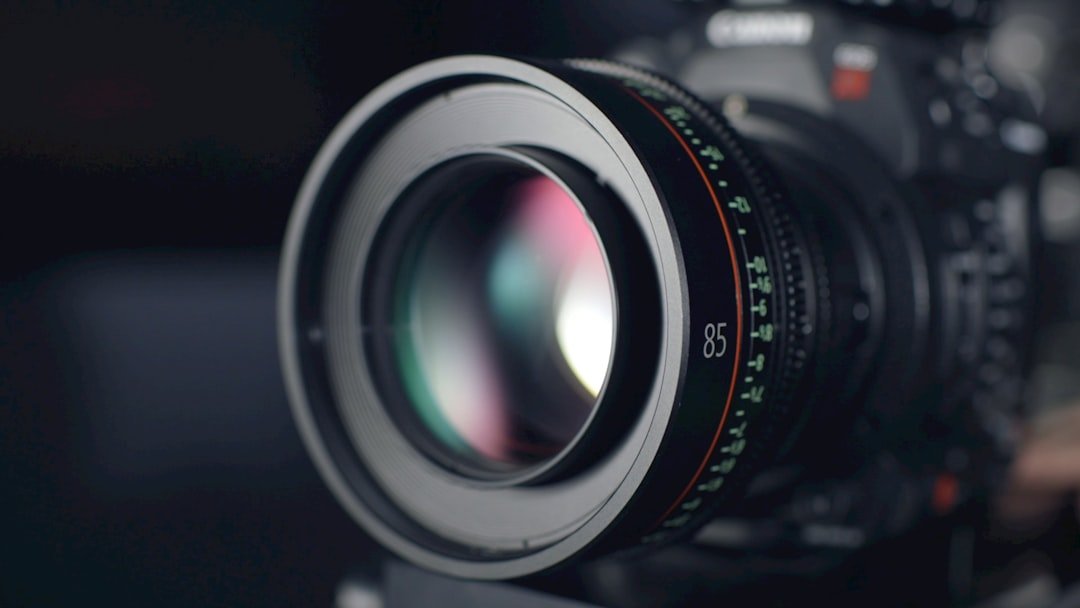
The foundation of successful portrait work rests upon selecting the right optical tools. Photographers pursuing this genre typically gravitate toward prime lenses positioned in the standard to telephoto range, prioritizing aperture performance that allows for shallow depth of field and exceptional subject isolation. A 50mm f/1.4 or 85mm f/1.8 prime represents the archetypal choice for full-frame mirrorless platforms, enabling photographers to create that coveted creamy background separation while maintaining excellent subject definition.
The Optical Challenge
Historically, premium fast glass commanded premium pricing, creating a significant barrier for emerging and enthusiast photographers. The optical requirements for portraiture—particularly fast maximum apertures combined with excellent optical correction across the frame—traditionally translated into substantial investment commitments. However, the contemporary digital imaging landscape has undergone substantial transformation.
Market Evolution and Competitive Pricing
The expansion of full-frame mirrorless technology has catalyzed meaningful competition among manufacturers. This competitive environment has democratized access to high-performance optics. Both established manufacturers and emerging lens makers now offer compelling solutions that deliver exceptional optical performance at price points previously considered impossible for such capability levels.
The shift from traditional DSLR infrastructure to mirrorless platforms accelerated innovation cycles while simultaneously increasing production volumes. This economic dynamic has directly benefited consumers seeking portrait-grade optics. Today’s market presents multiple pathways for acquiring fast, portrait-optimized lenses without incurring the substantial expenses that characterized previous generations of equipment.
Strategic Shopping Approaches
Smart purchasing requires understanding the current promotional landscape. Retailers frequently offer substantial discounts on previous-generation models when newer versions launch. Additionally, bundle promotions tied to camera body purchases present genuine savings opportunities. Refurbished and open-box inventory, backed by manufacturer warranties, represents another avenue for securing legitimate discounts on authentic products.
Understanding your specific photographic requirements remains crucial. While an 85mm f/1.8 provides exceptional versatility for headshots and environmental portraits, a 50mm f/1.4 offers broader framing possibilities in tighter spaces. Neither represents an objectively superior choice—rather, the decision should align with your typical working distances and compositional preferences.
Value Considerations Beyond Price
Evaluating lens investments requires looking beyond mere sticker pricing. Build quality, autofocus performance, optical stabilization features, and manufacturer support all factor into genuine value calculations. A marginally more expensive option offering superior construction and more reliable long-term performance frequently represents better economics than pursuing the absolute lowest price point.
The contemporary portrait lens market has never offered greater accessibility to quality optics. Whether you’re establishing your first portrait system or expanding an existing kit, deliberate research combined with strategic purchasing timing can yield professional-caliber results without devastating your budget. The equipment barrier that once restricted portrait photography to well-funded professionals has diminished considerably, opening these rewarding disciplines to photographers at all experience levels.